
Werther's Inner Life and Illusion
The Sorrows of Young WertherThis flow follows how Werther's vivid imagination first creates pleasure and later sustains beliefs that intensify his despair.
increasing Bearing strength in each event
 decreasing
Bearing strength in each eventdecreasingA World of Dreams

Life as Imagination
The dream of existence
Werther reflects that people live within narrow limits and fill them with images and wishes. He sees ordinary striving as a kind of dream, shaped by needs and imagined rewards.
A private world
He finds some freedom in creating meaning inwardly. The idea is both philosophical insight and an early sign of his reliance on private interpretation over shared reality.
The Ideal of Innocent Delusion
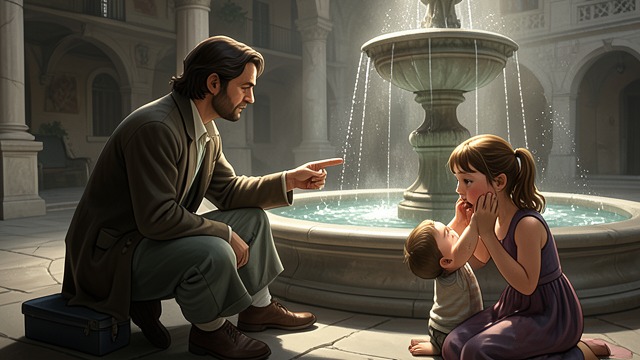
Imagination and Consolation
A child's belief
Werther tells how Lotte lets her younger sister believe that washing at the fountain can remove the dirt from his beard. A skeptical acquaintance condemns the harmless deception.
Happiness over correction
Werther argues that people are often happiest under innocent illusions. The scene anticipates his own dependence on imagined meanings, though his later illusions will not remain harmless to himself or others.
A Look Read as Love

Hope from Ambiguity
Signs interpreted
Werther becomes convinced that Lotte's eyes reveal genuine love for him. Her kindness and attentiveness are real, but do not overturn her engagement to Albert.
Self-confirmation
Each ambiguous gesture strengthens his belief that he holds a unique place in her heart. His imagination changes uncertainty into evidence, making withdrawal feel less necessary.
The Servant's Pistols
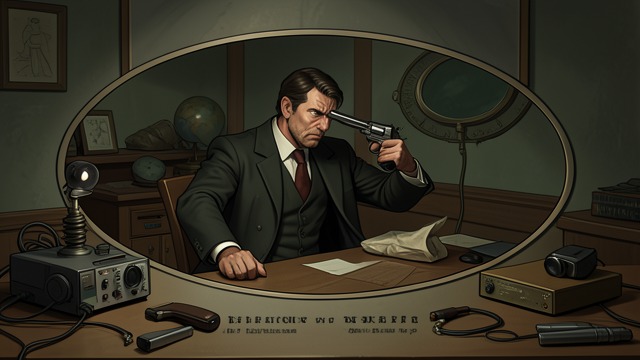
The Thought of Suicide
A pistol raised
During a discussion with Albert, Werther points an unloaded pistol toward his forehead. Albert reacts with alarm and calls suicide madness.
A theory of endurance
Werther argues that extreme suffering can exhaust a person's ability to endure, comparing mental crisis to physical illness. The conversation gives philosophical form to a possibility already present in his private imagination.
The Imagined Union

Fantasy Rewrites the Encounter
A kiss transformed
After kissing Lotte and being rejected, Werther writes as if the kiss has made her his forever. He interprets the moment as proof of mutual love instead of a boundary she has enforced.
Reality displaced
This final self-deception allows him to describe death as a reunion and sacrifice. The imagined future gives emotional coherence to his choice while excluding Lotte's actual wishes.
May 22, early in Book I
July 6, after the fountain encounter
July 13, during Werther's visits to Lotte
August 12, in a conversation with Albert
December 22, after Werther's last visit
