
Henry's Lost Sanity
The Sorrows of Young WertherThis flow traces Henry's remembered happiness, his mental collapse, and Werther's recognition of suffering that no worldly remedy can reach.
increasing Bearing strength in each event
 decreasing
Bearing strength in each eventdecreasingA Search for Flowers

A Strange Encounter
The winter search
Werther meets Henry wandering among the rocks, looking for flowers that are out of season. Henry speaks of roses and honeysuckles from his father's garden and of a nosegay for a wealthy beloved.
A mind elsewhere
His speech moves between tenderness, delusion, and regret. Werther listens because Henry's inner world appears to make its own logic, even when it no longer corresponds with the season around him.
The Mother's Account

A History of Illness
Former competence
Henry's mother explains that he once wrote well and helped support her. A fever and a period of intense distress preceded his breakdown.
Recovery without return
He has become calmer after a year in an asylum, but still speaks of kings and queens. His mother describes improvement in terms of safety, while Henry remembers his former derangement as happiness.
Happiness in Delusion

An Unsettling Comparison
A lost state
Henry's mother says he longs for the time when he was completely deranged. Werther is shaken by the possibility that Henry felt content precisely when he was least aware of reality.
Recognition and envy
Werther envies Henry's ability to locate his misery in an earthly cause. The comparison turns Henry's story into a question about the cost of reason and the limits of consolation.
The Secretary's Past
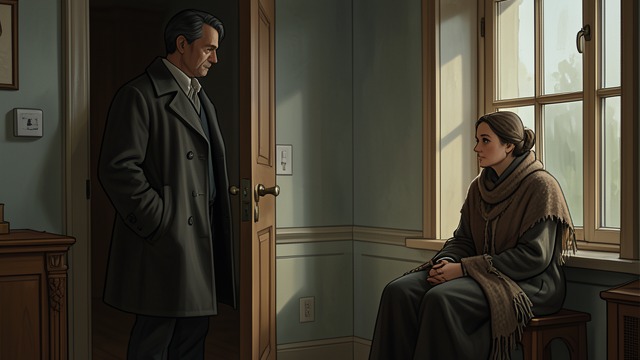
A Connection to Lotte
The former secretary
Werther learns that Henry had served as secretary to Lotte's father. His hidden passion for Lotte led to his dismissal and, in the account Werther receives, his madness.
A painful pattern
The news joins Henry's history to Werther's own attachment. Werther sees his distress reflected in another man's collapse, but the recognition does not prompt him to seek a different course.
A Mirror of Despair

Suffering Without Remedy
The world cannot repair him
Henry's circumstances cannot be changed by promises of fortune or by Werther's sympathy. His mother's care can watch over him, but cannot return him to his former life.
The parallel deepens
Werther treats Henry's story as evidence that inner suffering may outrun ordinary counsel. The comparison intensifies his fatal thinking, even though Henry's condition and Werther's choices are not identical.
November 30, during Werther's late crisis
Immediately after the encounter
As Werther walks back toward town
December 1, the day after Werther meets Henry
After December 1, before Werther's final decision
