
Nature as Emotional Mirror
The Sorrows of Young WertherThis flow traces how the novel uses changing perceptions of nature to register Werther's movement from spiritual abundance toward annihilation.
increasing Bearing strength in each event
 decreasing
Bearing strength in each eventdecreasingSpring's Promise

The World in Bloom
Abundant life
Werther sees flowers on every tree and bush and imagines becoming a butterfly within an ocean of perfume. The language presents nature as overflowing generosity.
Inner correspondence
The landscape seems to answer his hope for renewal. Nature's beauty is not neutral description; it reflects the openness of his early emotional state.
The Garden as Sanctuary
Rest and Reverence
A human-shaped landscape
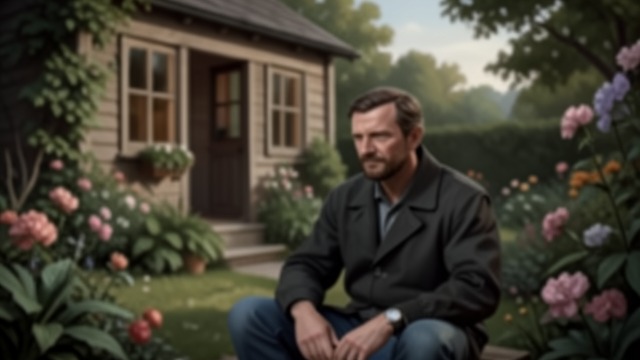
Werther values a simple garden laid out by someone seeking solitude rather than formal design. He mourns its former owner and adopts the summer-house as his own retreat.
Nature made intimate
The garden offers a setting for memory, contemplation, and personal attachment. Its beauty appears to shelter the individual from public life.
The Infinite Seen
Spiritual Expansion
Creation everywhere
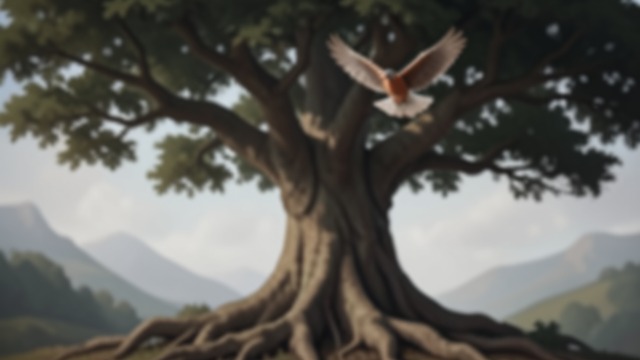
Werther remembers forests, rivers, mountains, and insects as evidence of an immense living order. A bird's flight can awaken a longing to enter the infinite.
Ecstasy and vulnerability
Nature seems to bring him close to the Creator, but the experience depends on an unusually intense response. The same susceptibility that produces spiritual rapture can also magnify despair.
The World Consumes Itself
Nature Reversed
Destruction in every step
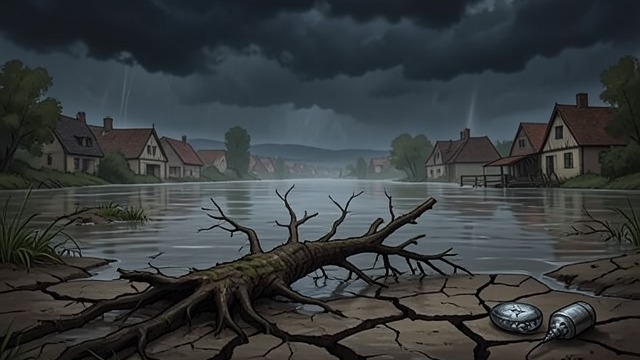
Werther now thinks of insects crushed by a walk and of villages swept away by floods. The world appears structured by continual loss rather than harmonious creation.
A changed perception
The landscape has not ceased to be beautiful, but Werther can no longer receive its beauty as consolation. His vision of nature records the deterioration of his own inner life.
The Flooded Valley
The Abyss as Escape
Water and darkness
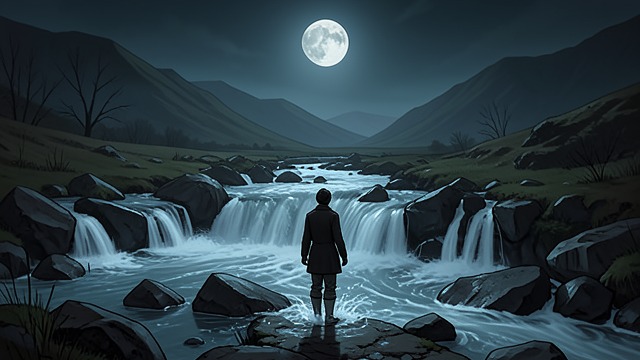
Werther watches the swollen river fill the valley beneath the moon. The scene combines terror with a powerful attraction to the possibility of death.
Nature's final ambiguity
The flood does not decide his fate; Werther turns it into an image of release and then hesitates. Nature remains both immense and indifferent, while his inward suffering determines what it seems to mean.
May 4, at Werther's arrival
May, in the garden near town
August, before the vision darkens
August 18, after Werther's return
December 12, during the midnight flood
