Albert's pistols
The Sorrows of Young WertherAlbert's pistols move from decorative household objects to instruments of danger and argument. Kept unloaded after an accident that injured a maid, they prompt Werther to stage a sudden gesture toward his own forehead and open a dispute with Albert about prudence, motive, and the judgment of suicide.
Presence and Intended Use
When Werther visits Albert before leaving for a few days in the mountains, the pistols hang in Albert's room, but only for form: they are unloaded. Werther asks to borrow them for his journey. Albert agrees, making clear that Werther would have to load them himself. The exchange presents the weapons as available for practical use, while Albert's precaution has left them deliberately unready.
The Accident Behind the Precaution
Albert explains that his caution began about three months earlier, during a stay at a friend's country house. On a rainy afternoon, he imagined that the house might be attacked and that the weapons could be needed. He gave his unloaded pistols to a servant to clean and load. The servant was playing with a maid and trying to frighten her when a pistol went off; its ramrod was still in the barrel, and the shot passed through her right hand, shattering her thumb. Albert endured the ensuing lamentation and paid the surgeon's bill. Since then, he has kept all his weapons unloaded.
The accident turns an ordinary act of preparation into the source of injury it was meant to guard against. Albert's account also qualifies his confidence in prudence: imagining a possible danger led him to ready the pistols, but that precaution produced a different, immediate harm. His conclusion is that no one can guard against every possible danger, even as he continues to defend keeping the weapons unloaded.
Werther's Gesture and Albert's Response
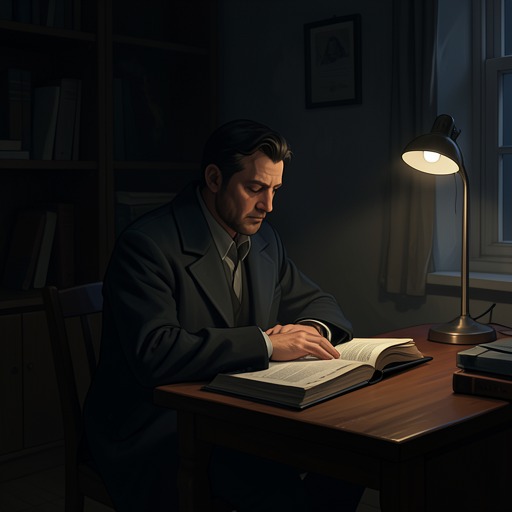
As Albert explains his reasoning, Werther stops listening and falls into reverie. He suddenly points the mouth of one pistol at his forehead, over his right eye. Albert turns it away and demands to know what Werther means. Werther answers that the pistol is not loaded; Albert replies that even an unloaded weapon does not make the gesture comprehensible to him, and that the bare idea of a person shooting himself shocks him.
The object thus changes the encounter from recollection into immediate confrontation. Albert's caution is no longer merely a story about a past accident: he physically intervenes when Werther directs the weapon at himself. The scene establishes that the pistol is unloaded, but Werther's gesture makes the possibility of self-inflicted death present without showing an attempt to fire.
The Pistols in the Debate over Judgment
The exchange over the weapon leads into an argument about whether actions can be called mad, wise, good, or bad without understanding the motives and causes that produce them. Werther challenges Albert to consider what makes actions inevitable before judging them. Albert counters that some actions remain criminal whatever their motives. Werther concedes the point with a shrug, but the disagreement remains: Albert invokes moral categories, while Werther resists hasty judgment in favor of examining causes.
The pistols hold these positions together. Albert sees them through the practical lessons of an accident and the need for caution; Werther turns one toward himself to provoke a question about the meaning and judgment of suicide. Their presence makes the dispute physical as well as philosophical, joining the material risk of a weapon to a conflict over whether extreme actions can be understood from outside.