
Contracts and Moral Responsibility
The Stars Have EyesThis flow examines how formal agreements become a recurring method for translating power into accountability.
increasing Bearing strength in each event
 decreasing
Bearing strength in each eventdecreasingConsent and Power
The Shape of Agreement
Unequal Parties
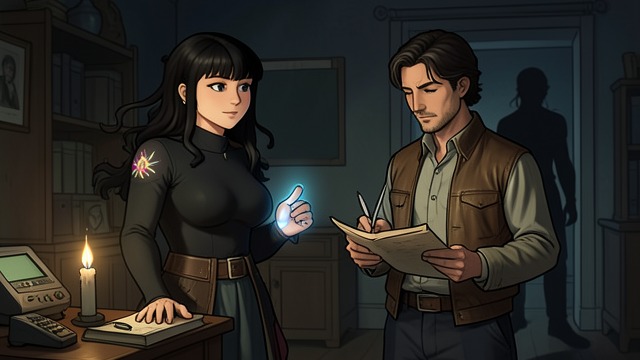
Joe Mulligan and Magh'rathlak the Observer possess radically different power, knowledge, and bargaining positions. Their pact appears voluntary but is shaped by Joe's loneliness and the entity's need for an anchor.
Formal Reassurance
Blood signatures and supernatural parchment are partly theatrical. Joe needs the contract to feel real, while Maggie values the clarity of stated obligations.
Responsibility Begins
The agreement gives their relationship an ethical frame. It does not create affection, but it turns protection and guidance into duties that can be questioned.
Contracts as Diplomacy
Law Against Violence
A Substitute for Force
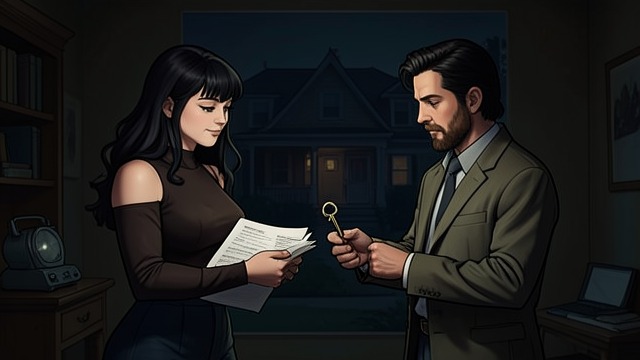
Maggie and the Agency could fight, but a contract allows each side to preserve its goals without destroying a city. Formal language becomes a technology of coexistence.
Human Statistical Trust
Maggie observes that people are more likely to honor terms once they are written formally. The observation is cynical, but it lets her work with human institutions.
Binding the Powerful
The agreement gives Joe protection by making Maggie's obligations legible to the government. It also gives the Agency enforceable expectations toward a being it cannot safely imprison.
Negligence and Intent
Responsibility Beyond Motive
The Father's Crime
Barry Mulligan never intended to cause injury or property loss. His shortcuts grew from a desire to help colleagues and keep up with impossible demands.
The Legal Judgment
The courts punish negligent action even without malicious intent. Maggie recognizes the logic, while Joe struggles with the emotional difference between guilt and evil.
Applied to Maggie
The same principle later troubles Maggie: accidental fan worship may still violate a duty if she could reasonably have prevented it. Responsibility becomes a burden that follows power even when harm was unintended.
during the first binding
during negotiations with the Agency
during the family revelation
