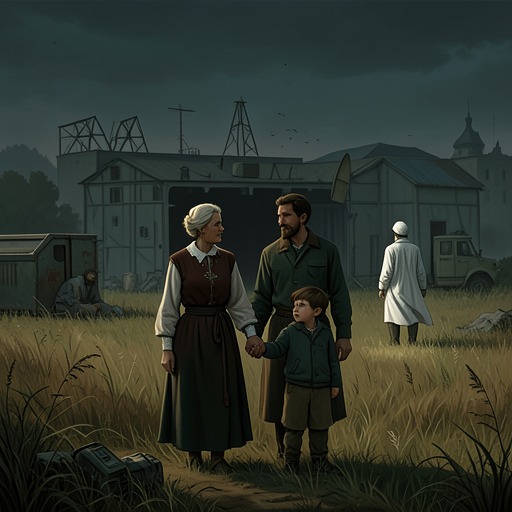
“Soon. But that is not the least concern of yours.”
The Summer BookGrandmother’s answer to Sophia’s question about when she will die gives the novel a concise, understated way to hold mortality in view without allowing it to define the bond between them. Its first word acknowledges that death is approaching; its second sentence turns Sophia’s attention away from treating that fact as her foremost worry.
The Exchange
Sophia asks, “When are you going to die?” Grandmother answers, “Soon. But that is not the least concern of yours.” The reply is direct about the timing, but the pivot after “Soon” resists making death the whole subject. When Sophia asks why, Grandmother does not explain. She walks out onto the rock and on toward the ravine, leaving the question unresolved.
Mortality and Their Relationship
The exchange takes place in the spring, when six-year-old Sophia is living with the knowledge that her mother is dead. Grandmother, herself old and physically frail, remains lively with wisdom and imagination and is Sophia’s companion through the months ahead. Against that background, her answer neither conceals death nor offers reassurance that it is far away. Instead, it sets a boundary around the child’s attention: Grandmother’s mortality is real, but Sophia need not make it her central concern.
Narrative Significance
The line’s force lies partly in what follows it. Grandmother’s silence in response to “Why?” keeps her remark from becoming an explanation or lesson, while her movement away ends the exchange without resolving its tension. That restraint suits a novel in which thoughts of death appear alongside the ordinary companionship of summer. The reply holds those realities together: death can be named plainly, yet the relationship is not reduced to waiting for it.