Ants
The Summer BookAnts are a small but recurring presence in the book, moving between immediate fear, a child’s question about the afterlife, and imaginative play. Their changing scale matters: they can seem overwhelming to Berenice, become part of Sophia’s attempt to picture Heaven, and cross the bridges of a city built in a marsh pool.
Fear and Escape
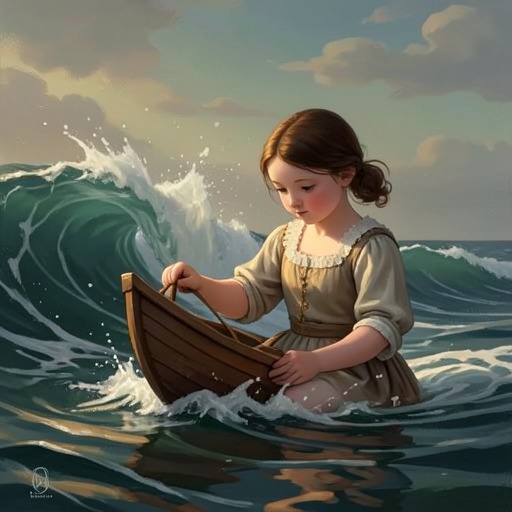
When Berenice becomes convinced that ants are all around her, she keeps lifting her feet and stamping, afraid to stand still. Sophia reports her distress to Grandmother and asks what to do. They choose to take Berenice out in the boat, where there are no ants, hoping to draw her away from what they regard as the greater fear toward the lesser one of being on the water. The episode gives the ants a power defined by Berenice’s frightened perception: their presence makes standing still seem impossible, and escape depends on changing the setting.
Ants and the Idea of Heaven
On a walk toward the mainland village, Sophia and Grandmother stop in a pasture. Against the heat and dust of the road, the grass is tall and full of flowers. Sophia asks, “Are there ants in Heaven?” Grandmother answers no, offering a simple assurance rather than an explanation. The question makes the smallest familiar creature part of Sophia’s effort to imagine what Heaven might be like; it also places her concern for ants alongside the larger questions of God and prayer that follow in their conversation.
In the Miniature Venice
Ants also enter the city Sophia and Grandmother construct together in a marsh pool. They set little wooden plugs beneath flat stones to make pilings for the Piazza San Marco, dig canals, and build bridges. Black ants hurry back and forth across those bridges while, in Sophia’s imagined city, gondolas glide below in moonlight. Here the ants are neither a source of panic nor a problem to be removed. Their real movement becomes part of the miniature city’s life, crossing the boundary between the material landscape and the world the two builders invent.