Sophia’s motherlessness
The Summer BookSophia’s motherlessness is a quiet but defining condition of her life on The island: she knows that her mother is dead, and this knowledge is woven into ordinary moments of sleep, family companionship, and the changing island landscape. Rather than unfolding as a single dramatic revelation, the loss recurs in Sophia’s thoughts and perceptions, placing childhood beside an unusually direct awareness of death.
The Loss in Everyday Life
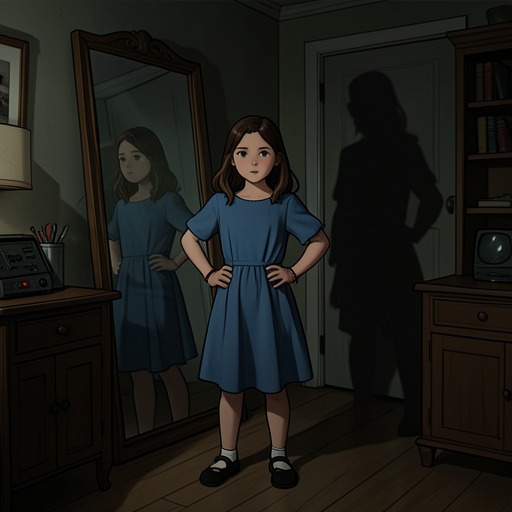
At the beginning of the book, in spring, six-year-old Sophia wakes during the night and remembers that she has a bed to herself because her mother is dead. The fact is presented plainly, as the reason for an arrangement in the house; its simplicity gives the absence a persistent place in the rhythms of daily life. Sophia does not need to be reminded by another person in this moment: she wakes already knowing what the empty space means.
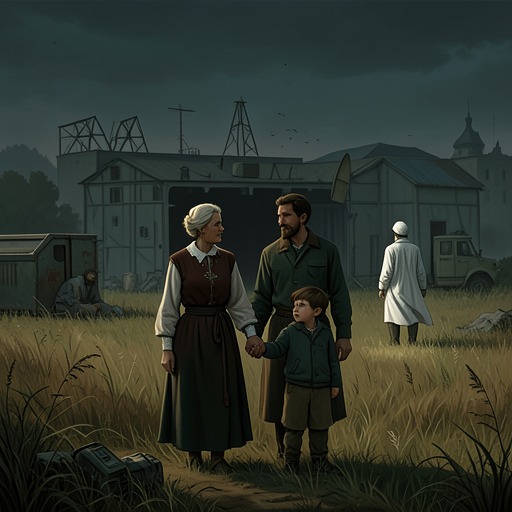
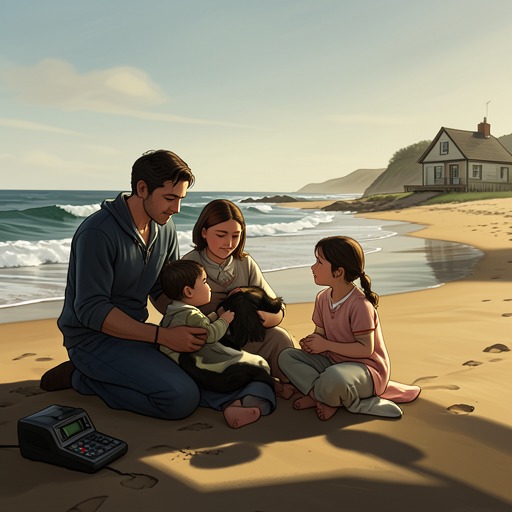
Grandmother is nearby. Old and physically frail, she is nonetheless Sophia’s lively companion through the months ahead. They roam the island together, sleep under bushes, and talk about religion and the pleasures of sleeping in a tent. Their closeness offers Sophia company, but it does not erase her mother’s absence. The two forms of knowledge coexist: a child’s immediate attachment to the living person beside her and her clear recognition that someone else is gone.
The April Moonlight
The loss returns in an April night when the sea is covered with ice. Sophia wakes and again remembers that the family has come back to The island and that her mother is dead. Around this recognition, the familiar room becomes strange: the burning stove appears doubled in the dark ice and in the windows, and the reflections open onto images of trunks, boxes, moss, snow, and dry grass. Two children appear on the rock beneath a rowan tree. The scene makes the household seem both present and unstable, as if the objects and images that hold its history could be separated from it.
Back in bed, Sophia watches the fire’s reflection and imagines the island drawing closer to the house. Then the ground becomes a channel beneath the ice, and the family’s luggage floats away in moonlight, its open cases full of darkness and moss. None returns. The imagery gives her motherlessness a setting in loss and drift: home itself seems capable of slipping away, while the familiar contents of the family’s life are exposed as vulnerable and incomplete.
Companionship and the Unsettled Ending
After asking whether the door is closed, Sophia is told by Grandmother that it is open and that she can sleep easily. Sophia rolls herself into the quilt and lets the whole island float out across the ice toward the horizon. The image does not resolve the loss or explain it; it lets the imagined departure continue until sleep. Just before she falls asleep, Sophia’s father gets up and puts more wood in the stove. His practical act restores a small, immediate presence in the room without undoing the vision of departure.
These moments make Sophia’s motherlessness more than background information. It shapes how she understands her place in the family and recurs alongside the book’s attention to death, memory, and the material life of the island. The loss remains, but so do the living forms of care around her: Grandmother’s reassurance and Sophia’s father tending the fire.