The island storm
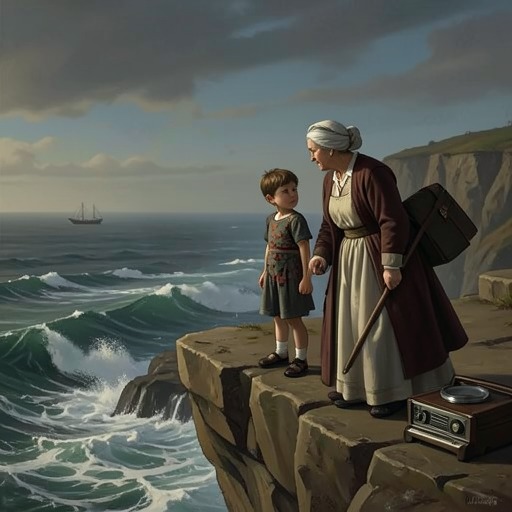
The Summer BookThe island storm is an overnight ordeal in which Grandmother and Sophia are kept from returning home until the wind slackens the next day. Its significance lies not only in the weather’s power to delay their passage, but in the private, almost playful disagreement it exposes: both had prayed for a storm, while Grandmother had also chosen to face its risks with scant provisions.
Background and Stakes
Grandmother reveals that she prayed for a storm that morning, before Sophia did. The disclosure makes their ordeal more complicated than a simple encounter with bad weather: the storm they are enduring was something both had asked for, though the account does not establish that their prayers caused it.
Sophia challenges Grandmother over the practical danger of their situation. She points out that they had taken too little food and not enough clothes, and asks whether Grandmother’s choices meant she did not trust God. Grandmother answers that she did trust Him, but allows that she may have thought it would be exciting to manage without enough. Her reply leaves the risk neither wholly accidental nor wholly planned: she had wanted, at least in part, to test the experience of getting by.
The Ordeal and Their Exchange
The pair are together on a herring net as the storm continues. Grandmother tells Sophia to sleep and stop worrying about the trouble she believes she has caused, promising not to tell anyone. The exchange turns their different responses into a form of care: Sophia reproaches Grandmother for inadequate preparation, then keeps the matter between them; Grandmother reassures her rather than treating the prayer as grounds for blame.
Grandmother’s admission also complicates the apparent seriousness of the ordeal. She had prayed for the storm, but her explanation of the food and clothing suggests a taste for testing what they could do without. The narrative holds the danger and her lightness together without making the weather harmless or claiming that she could control it.
Return and Aftermath
At about three o’clock the following day, the wind lets up enough for them to get home. The dory is upside down in front of the veranda, and its duckboards, oars, and bailing bucket are all intact. They have also closed the window. The return is therefore marked by the recovery of familiar things and by small signs that the household has not been left entirely exposed to the storm.
Some things have not been saved: the account attributes this to Grandmother asking God too late. When the wind changes, however, He rolls the pots and pans back up onshore. As they had hoped, a helicopter comes and puts their names and the name of The island on a list. The storm’s aftermath thus combines material loss, the return of household objects, and an official record of the people and place caught in the weather.
Significance
The episode’s turn is from uncertain exposure to a gradual, practical return: the wind eases, the dory and its equipment are found intact, and the pair reach home. Yet the resolution does not erase the tension between faith and preparation. Sophia treats the shortage of food and clothes as evidence that Grandmother’s trust should have been tested more carefully; Grandmother admits that she had also been drawn by the excitement of doing without. Their exchange makes the storm a shared ordeal shaped by affection, reproach, and a private secret.