Fate and destiny
The Sun is Also a StarFate and destiny are not settled explanations for events in the novel but competing frameworks through which its characters interpret them. The idea reaches from ancient images of gods and the predetermined span of a life to a forgotten cake, a missed train, an inherited family burden, and the love between Natasha Kingsley and Daniel Jae Ho Bae. The novel holds open a tension between a world in which causes shape outcomes and one in which people make meaning from accidents after they occur. Its most intimate answer is deliberately divided: meeting may have been chance, while what follows can still feel inevitable.
Myth, mortality, and the comfort of a plan
The novel first places fate in the realm of the gods, while noting that even the gods are subject to it. In the ancient Greek account, three sisters determine a person’s destiny within three nights of birth. The image begins beside a newborn’s crib: Clotho spins the child’s life-thread, while Atropos holds the shears that determine the time and manner of death. Fate is thus imagined not as a sequence of choices but as a life already being measured, with mortality built into its pattern from the beginning.
The sisters have largely faded from modern collective consciousness, but belief in fate remains. The novel asks why people continue to believe in it and suggests one answer: the thought that tragedy belongs to an unchangeable plan can make it more bearable. If events were always going to happen, a person need not feel that they could have prevented them. Fate can therefore console, but the consolation rests on surrendering some responsibility and agency.
Patricia Kingsley voices this faith in a plan when she says, “Things happen for a reason.” The statement offers more than a claim that events have causes: it imagines a purposeful order whose meaning may not be visible at the time. Against that reassurance, the novel also presents the possibility that people tell stories about events precisely because events themselves do not supply a reason. The distinction matters: an explanation can describe how something happened, while a story of destiny claims that it was meant to happen.
Cause, chance, and the meeting of Natasha and Daniel
Natasha’s understanding is closer to determinism than to divine providence. She believes in cause and effect: one action leads to another, and people’s actions help determine their fate. In this view, a life is not necessarily mapped out in advance, but neither is it detached from what people do. Each consequence grows from earlier conditions and decisions.
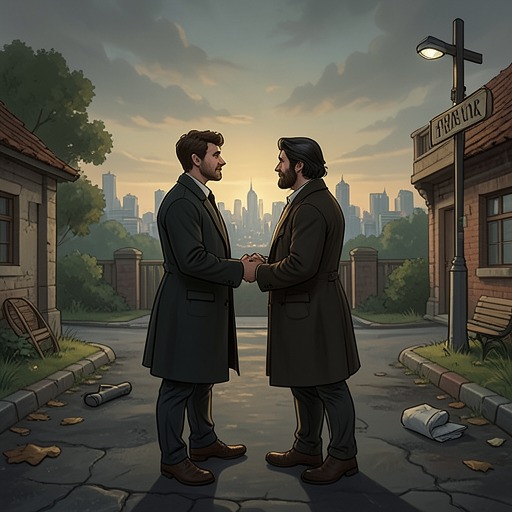
Daniel Jae Ho Bae occupies a less certain position. He can imagine that meeting Natasha was not meant to happen and that random chance brought them together. The novel does not treat that uncertainty as a problem to solve. Instead, it separates the contingency of their encounter from the emotional certainty that develops afterward. Once they have met, their love is described as inevitable. Destiny here is not simply a script written before the characters act; it is also a name for the powerful sense of necessity that can arise from what follows an accidental beginning.
That distinction gives the couple’s claim of being meant for one another a double meaning. When Daniel says, “We’re meant to be. Let’s go celebrate,” he expresses confidence in their bond, but the declaration comes after events have made the possibility feel real to them. The language of destiny turns a relationship’s lived experience into a story of purpose. The novel lets that story carry emotional force without proving that the first meeting was arranged by fate.
Inheritance and the feeling of family destiny
Dae Hyun Bae’s history gives the idea of destiny a material and familial dimension. When he was thirteen in South Korea, his father began preparing him to take over the family’s poor crab-fishing business. The eldest of three sons, Dae Hyun understood succession as his assigned place: family appeared to dictate his future. The work was precarious, with every fishing season a struggle to survive, so inheritance meant not only a role but also continued exposure to poverty.
His first trip on the fishing boat unsettled that expectation. He hated the cold metal baskets crowded with crabs clawing over one another in an effort to escape. The memory remained vivid long after he left South Korea; coming to America did not erase it. The crabs’ desperate struggle becomes a concrete counterimage to the idea that one’s place must be accepted as destiny. Dae Hyun’s experience shows both the force of inherited conditions and the persistence of an impulse to get free of them.
As a father, Dae Hyun tries to protect his sons by keeping his past and poverty from them. He fears that poverty can be passed on like a contagion, and his silence is an act of fierce love as well as a limit on what his sons can understand about his life. The contrast complicates any simple claim that people determine their own fate: family history can shape what seems possible, while attempts to shield the next generation also shape what it knows. Dae Hyun’s story makes destiny less an invisible decree than a burden transmitted through work, memory, and family roles.
Meaning after the event
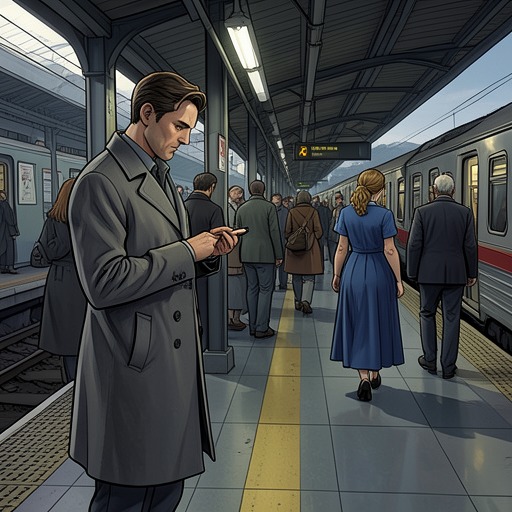
A small example clarifies the novel’s skepticism about explanations imposed after the fact. A cafeteria forgets a box of cake; someone gets a slice from a friend, fumes while waiting for another train, and eventually catches one. No catastrophe follows from missing the first train. The ordinary sequence offers no evidence of a hidden plan, yet the mind is disposed to search for reasons and connect events into a story. The episode puts grand claims about destiny beside the uneventful randomness of daily life.
The novel does not reduce fate to either a comforting illusion or a rigid chain of causes. Patricia’s belief offers comfort; Natasha’s determinism preserves the importance of action; Daniel’s uncertainty allows chance a place in the story. Dae Hyun’s inherited circumstances demonstrate that causes and constraints can be real without making a person’s response predetermined. Across these contrasts, destiny names several different things: a supposed plan, the consequences of action, a family role that feels unavoidable, or a meaning retrospectively given to chance. The romance ultimately embraces the language of inevitability, but the novel leaves room for the accident that began it.