
Remorse and Reconciliation with Eliza Merrett
The Surgeon of CrowthorneThis thread traces how William Chester Minor’s remorse over George Merrett’s death led him to offer practical help to Eliza Merrett, whose visits brought a cautious human connection into his confined life.
increasing Bearing strength in each event
 decreasing
Bearing strength in each eventdecreasingThe Widow Left Behind
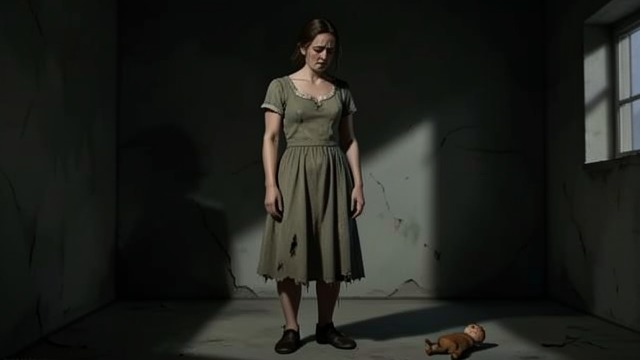
A Relationship Begun in Loss
The Consequences of the Shooting
When William Chester Minor killed George Merrett, Eliza was left with six children and another child soon to be born. The killing transformed the circumstances of a poor household already living under strain. It also created an enduring connection between the prisoner and the family harmed by his delusion, a connection founded first on grief and irreversible responsibility.
Minor’s crime and Eliza’s bereavement were not equal experiences, and his later remorse could not restore her husband. Yet the family’s vulnerability remained present to him as he spent years in confinement. The possibility of helping Eliza became a way for Minor to acknowledge, however incompletely, the real human cost of the act that had altered both their lives.
A Letter of Atonement

An Attempt to Make Amends
The Offer
Years after the murder, Minor wrote to Eliza through the American diplomatic community. He expressed how sorry he was and offered financial assistance, including help for her children. The gesture was an effort to turn remorse into something practical: he could not undo the killing, but he could try to ease some of the hardship that followed it.
Eliza agreed to accept assistance and asked whether she might visit him. Her answer transformed a one-way offer into an unusual exchange between the victim’s widow and the man responsible for her loss. Their contact did not erase the imbalance between them, but it allowed Eliza to judge Minor in person rather than encounter him only as the name attached to a terrible crime.
The First Supervised Visit
Meeting at Broadmoor
From Correspondence to Presence
After consultation with the asylum superintendent and the Home Office, Eliza was permitted to visit Minor under supervision. Their first meeting was tense, as the history between them made any easy familiarity impossible. By the end, however, Eliza had agreed to come again, suggesting that she found the encounter manageable enough to continue.
The visits gave Minor a direct relationship with the person whose life his violence had changed. Eliza’s willingness to return was not the same as forgetting or undoing the loss. It was a cautious decision to speak with him, and it offered him a limited chance to demonstrate contrition through attention and continuing support.
Books Carried to the Inmate
A Practical Kindness
The Book Parcels
Eliza began bringing Minor books ordered from London dealers, helping him obtain volumes more conveniently than through the slow postal service. She knew little about books herself, but recognized how deeply they mattered to him. This practical service gave their visits a regular purpose and brought a piece of the world outside the asylum into his cell.
The arrangement eventually faded as Eliza’s circumstances changed and she lost interest in making the journeys. Its brevity did not diminish its effect on Minor’s story: an act of kindness from the widow of his victim helped connect him to the reading life that later became central to his dictionary work. Their relationship remained limited, but it carried both practical care and the unresolved history of the murder.
An Unequal but Enduring Remorse
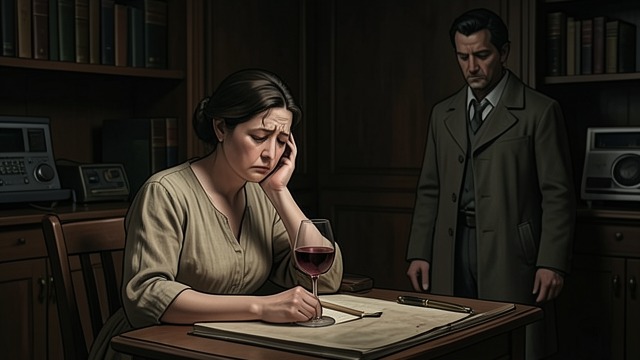
The Limits of Reconciliation
Care Without Erasure
Minor continued to provide financial help to Eliza after their visits and book deliveries had begun. His assistance was a sustained attempt to accept responsibility, though money and courteous contact could not replace George or repair every consequence for the family. Eliza’s willingness to visit made the relationship personal, but the book does not present it as a complete reconciliation.
Eliza’s life remained difficult, and she eventually took to drink and died of liver failure. Minor’s remorse survived the decline of their contact; the relationship had made the victim’s family more than an abstraction in his memory. It also leaves the moral balance unsettled: Eliza showed a measure of compassion toward the man who killed her husband, while the loss at the center of their connection remained permanent.
February 1872
Late 1870s
Around 1879
Early 1880s
From the 1880s through the final years at Broadmoor
