
Family Loss and William Minor’s Distance from Home
The Surgeon of CrowthorneThis thread follows the family ties that shaped William Chester Minor’s sense of belonging, from childhood bereavement and his stepmother’s care to separation from relatives and the eventual return to America.
increasing Bearing strength in each event
 decreasing
Bearing strength in each eventdecreasingA Childhood Marked by Loss
The First Family Rupture
Mother and Father
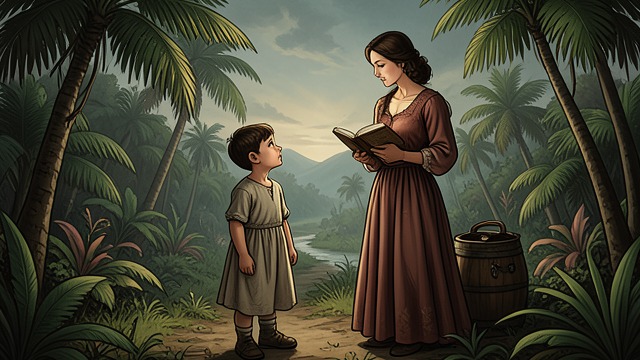
William Chester Minor was born in Ceylon to missionary parents, far from the New England family whose name and status would later matter in his life. His mother died of consumption when he was three. The loss came before he could form an adult understanding of family, leaving a significant absence in a childhood already shaped by movement and uncertainty.
His father soon travelled in search of a new wife, taking the young William with him. The journey ended with his marriage to Judith Manchester Taylor, who became William’s stepmother. The family’s changing shape brought care and stability, but it also meant that William’s earliest years were defined by bereavement, relocation, and the arrival of a new parental relationship.
A Step-Mother’s Care
A New Household
Learning and Belonging
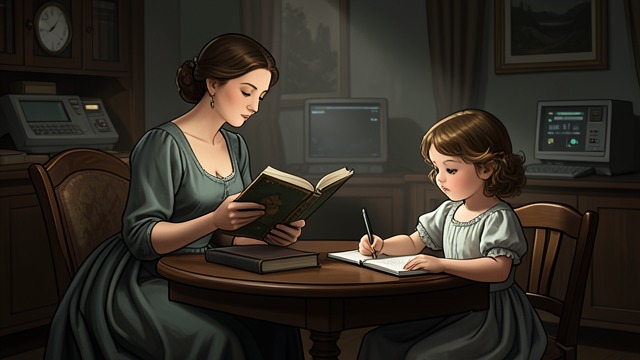
Judith Minor ran a local school, learned Sinhalese, and helped educate William alongside her own children. Her household gave him intellectual encouragement and access to several languages during the years he lived in Ceylon. The family was repeatedly touched by illness and death, yet Judith’s practical work helped sustain the children through an unstable domestic life.
William’s later recollections suggest that sexuality, guilt, and religious belief became deeply entangled in his inner life, but the account does not establish a simple cause in his relationship with his stepmother. What it does show is a young person growing up amid strong piety, loss, and changing family attachments, circumstances that formed the background to his later search for safety and belonging.
Sent Away from Home
Separation Across Oceans
The Journey to New England
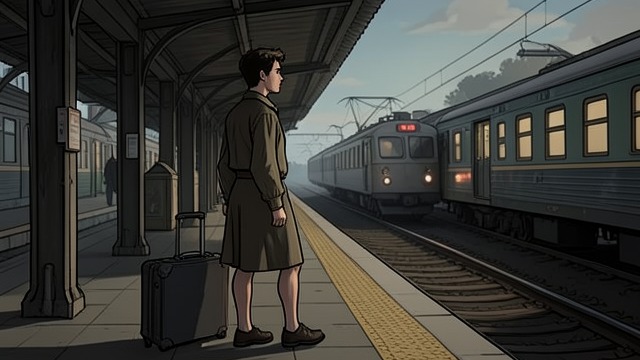
At fourteen, William was sent from Ceylon to live with his uncle Alfred in New Haven. His parents believed distance from the tropics might remove him from temptation, while his departure also separated him from Judith and the younger children. The long voyage and the move placed him between two family worlds, neither of which could fully preserve the childhood life he had left behind.
In New England, William began the demanding path of medical study at Yale. His education offered purpose and achievement, but the family separation remained a defining fact: the boy raised among several languages and a missionary household was now being shaped by a distant kin network and a professional future.
A Family Visits the Inmate
A Brief Return of Kinship
Judith at Broadmoor
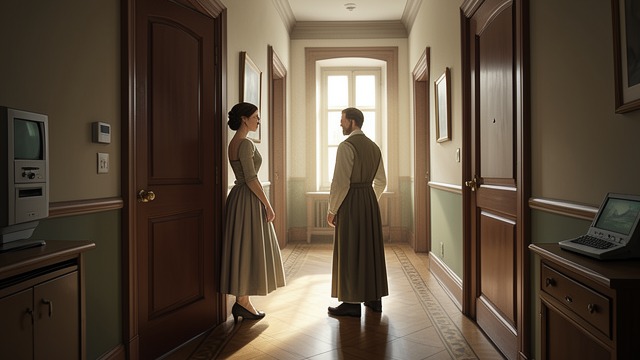
After her husband’s death, Judith travelled from India to America and visited William at Broadmoor. By then he had spent many years in confinement and had built a separate intellectual life among his books. Her visit briefly connected the inmate to the family and childhood world from which he had been separated decades earlier.
The meeting could not restore the lost years or change the course of his illness. It was, however, a tangible reminder that William remained part of a family beyond the asylum walls. Judith died in New Haven in 1900, removing one of the few living links between his adult confinement and the household of his youth.
Home at the End of Life
Return Without Recovery
Nearer to Relatives
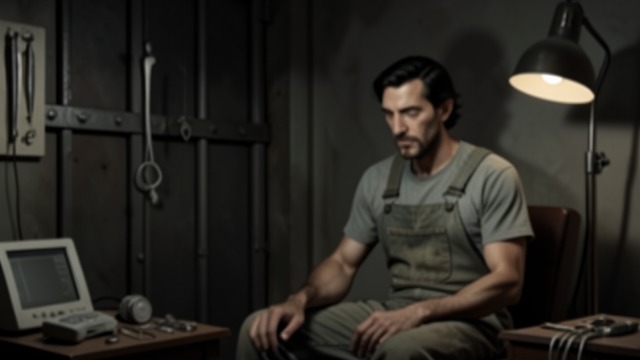
When William left Broadmoor in 1910, Alfred took responsibility for the crossing and arranged for his brother to enter St Elizabeths Hospital. The move brought William back to the United States after decades abroad, but it did not make him well enough to live independently. Family care remained inseparable from institutional care, and his return was a change of place rather than a restoration of his former life.
In 1919, a nephew arranged a further move to The Retreat in Connecticut. William was nearer to family territory, but old age and declining eyesight increasingly limited his ability to read, the activity that had given him particular comfort. He died in 1920, having spent most of his adult life in institutions; the return home softened the distance without undoing the losses that had shaped his family story.
1837 to 1839
From 1839 through the 1840s
1848
1885
1910 to 1920
