Yale
The Surgeon of CrowthorneYale was a formative setting in William Chester Minor’s life: it provided his medical education and remained a point of connection after his studies, though the evidence does not attribute his later illness or work to the institution itself. His years there led into medical service during the American Civil War, and old Yale friendships also accompanied his plans for a European journey.
Medical education in New Haven
After travelling from London to Boston, Minor returned to New Haven and began the demanding study of medicine at Yale. His parents and the reduced family household did not return for six years, by which time he was twenty. The account describes him as quietly diligent through these years of study and the following period of medical apprenticeship.
Minor passed his examinations without apparent difficulty and graduated from Yale Medical School in February 1863, at the age of twenty-nine. He received a degree and specialized in comparative anatomy. The account singles out one serious medical crisis from his student years: while performing a post-mortem on a man who had died of septicaemia, he cut his hand and contracted a grave infection. He applied iodine, but the treatment came too late to prevent a dangerous illness from which he nearly died.
From medical training to army service
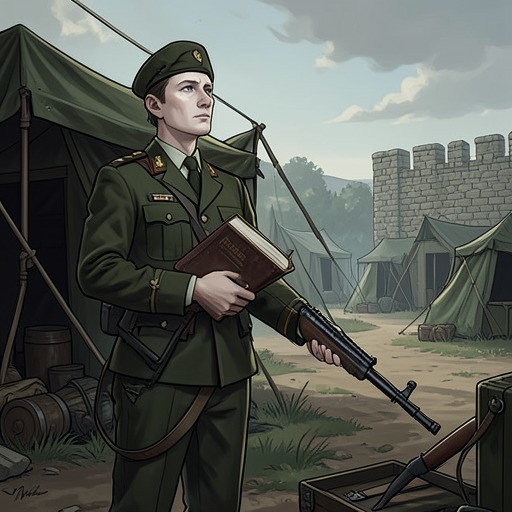
After graduating, Minor applied to serve as an army surgeon at a time when the Union Army urgently needed medical personnel. His training began at Knight Hospital in New Haven, conveniently close to home. Yale’s place in this transition is concrete: it was the site of his medical education, while the nearby hospital was where his military medical training began.
The book later records that Minor’s mental health deteriorated during his army service. By September 1868, after severe headaches and vertigo, a medical report classified him as delusional and described his condition as monomania. These later records establish the sequence of his life after medical training; they do not establish Yale as a cause of his illness.
A continuing connection
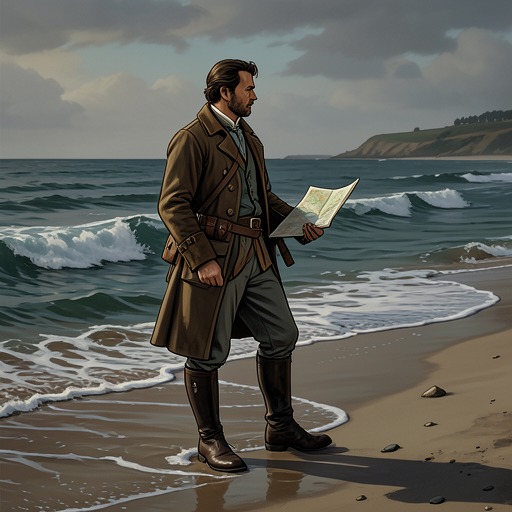
In the summer of 1871, after his release from an asylum, Minor returned to New Haven and spent time with his brother Alfred and old friends at Yale. That visit formed part of his last period of relative freedom in the United States before he travelled to London in October, intending to rest, read and paint in Europe.
A Yale friend had provided Minor with a letter of introduction to John Ruskin for the planned visit. The connection shows how his time at Yale extended beyond formal study into a network of acquaintances that accompanied him abroad. In the account, Yale is therefore both a place of professional formation and a remembered community to which Minor returned before leaving the United States.