
Who Owns the Ocean?
The SwarmThe book challenges human claims of ownership and exceptional status, contrasting extraction and conquest with the possibility of sharing a world.
increasing Bearing strength in each event
 decreasing
Bearing strength in each eventdecreasingThe Sea as a Resource
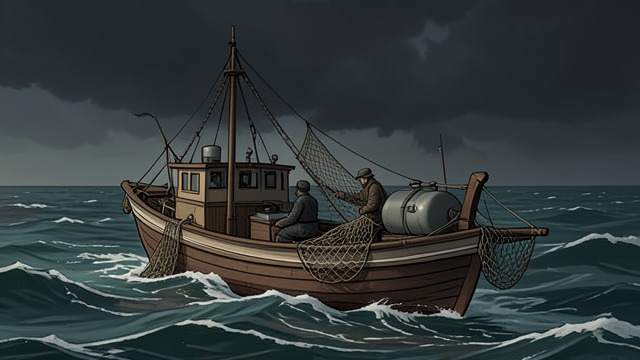
A Human Claim
Nature as inventory
Fishing fleets and energy companies treat the ocean as a source of food and fuel.
The apparent abundance disguises systems on which human life depends.
An Indigenous Challenge
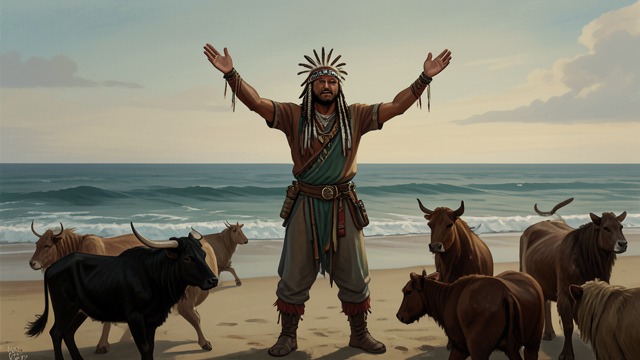
The World Is Not Property
Culture and responsibility
George Frank explains that the Nootka view humans and animals as spiritually connected.
His words challenge the belief that nature exists for people to use.
A Rival Inhabitant Appears
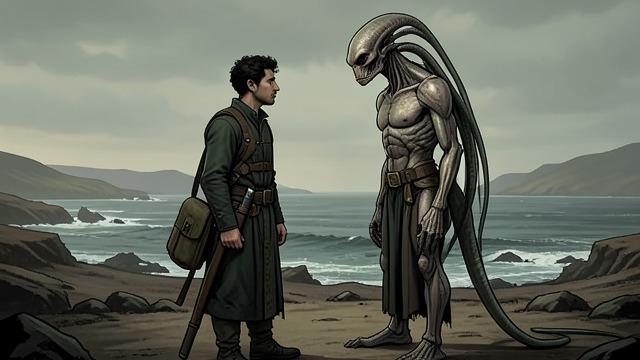
Human Supremacy Is Questioned
Two worlds share one planet
Johanson argues that the Yrr are an ancient intelligence whose world humans have damaged.
The proposal unsettles the assumption that humanity has the sole right to rule Earth.
The Yrr’s Long View
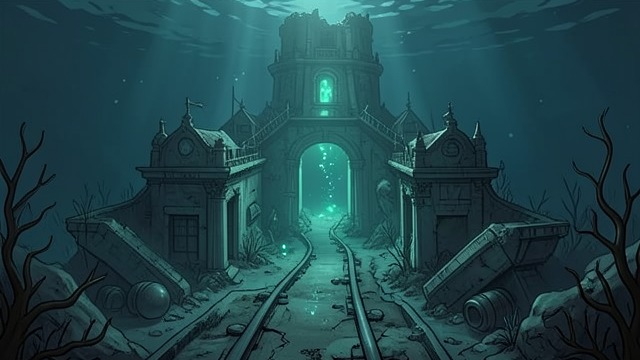
A Planetary Memory
Human history is brief
The Yrr’s message and genetic memory reveal a perspective spanning geological time.
Human settlement and environmental damage become only a short episode in a longer history.
A Reprieve, Not a Right
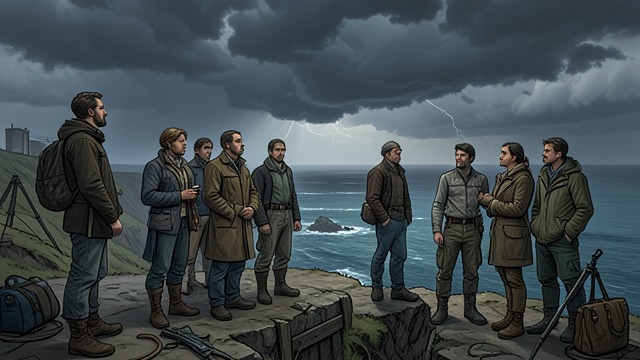
The World Is Still Shared
Survival does not restore ownership
The attacks stop, but the novel offers no proof that humanity has regained authority over the sea.
Its fragile reprieve demands restraint rather than triumphalism.
March, during the oil and fishing surveys
April, in conversation with George Frank
12 May, at Chateau Whistler
after the Yrr’s image is decoded
one year after the Independence sank
