
Sedna and the Cost of Taking
The SwarmThe Inuit story of Sedna gives the ecological crisis a moral language of extraction, injury, and the possibility of renewed relationship.
increasing Bearing strength in each event
 decreasing
Bearing strength in each eventdecreasingA Story of the Sea
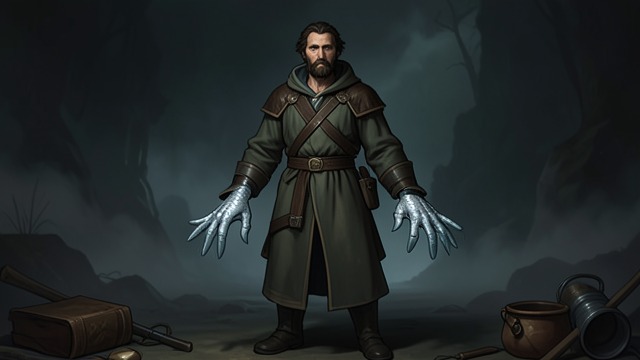
Sedna’s Origin
A myth of rupture
Anawak recalls the story of Talilajuk, whose severed fingers become marine animals and who becomes Sedna.
The narrative links the sea’s life to human violence and betrayal.
The Sea’s Creatures Are Kin
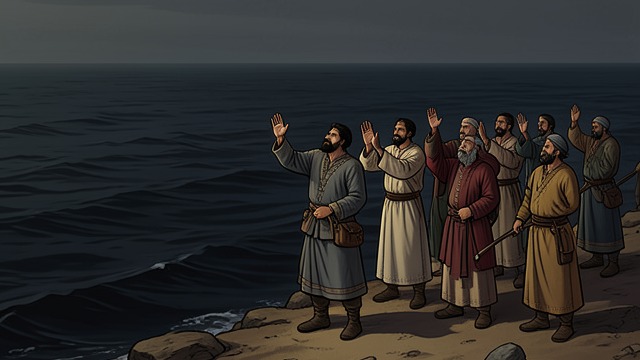
Hunting and Permission
A relationship, not a resource
Akesuk describes traditions in which taking from the sea requires recognition of the beings and forces involved.
The story contrasts cultural restraint with industrial extraction.
The Yrr as the Sea’s Voice

Myth Meets Science
A modern crisis in an older frame
The idea of the sea defending itself echoes the Sedna story without proving that the myth is literally true.
Its power lies in making human damage morally visible.
Humanity Faces Its Reflection
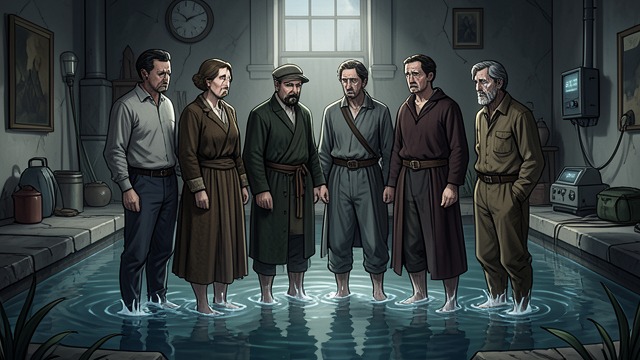
The Question Turns Inward
Who has been harmed
The Yrr’s attacks force the team to face the consequences of human pollution and resource use.
The crisis becomes more than a defense against an enemy.
A Chance to Comb the Sea
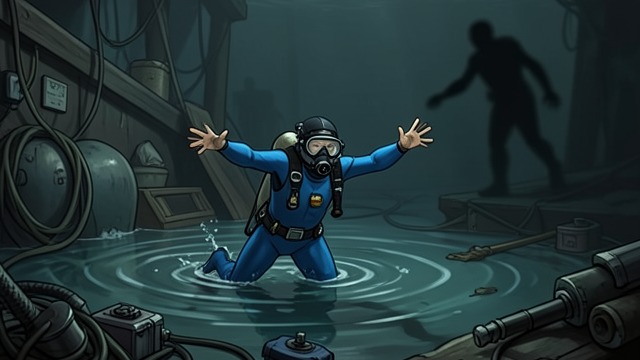
Repair Instead of Conquest
A relationship remains possible
Weaver’s contact with the Yrr leaves open the possibility of reconciliation rather than revenge.
The Sedna image becomes a question about whether humans can repair what they have damaged.
May, during Anawak’s Arctic expedition
during the conversation with Akesuk
after Johanson’s hypothesis is discussed
during the Independence contact mission
in the final encounter
