
Identity, Memory, and the Living World
The SwarmThe book uses Anawak’s personal recovery and the Yrr’s collective memory to question whether identity must be individual, inherited, or connected to place.
increasing Bearing strength in each event
 decreasing
Bearing strength in each eventdecreasingAnawak’s Private Exile
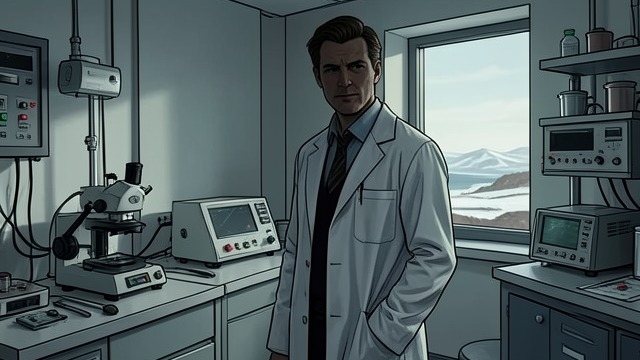
An Identity Kept at a Distance
A life shaped by avoidance
Anawak builds a successful scientific life while avoiding his Inuit background and the pain of leaving home.
His identity remains divided between the place he inhabits and the place he rejects.
Akesuk’s Cultural Memory
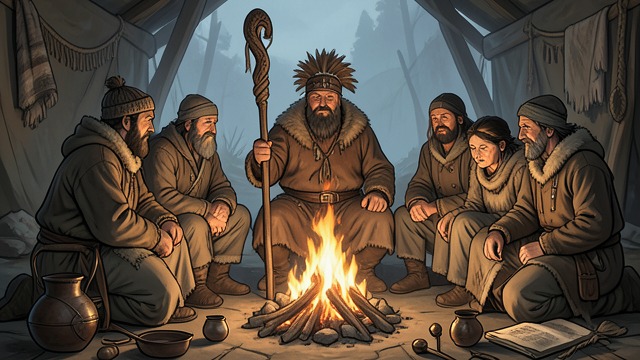
Stories Preserve a World
Memory lives in community
Akesuk’s stories of relocation, shamanism, and the land preserve experiences that Anawak never learned to carry.
His guidance connects personal memory to a broader cultural inheritance.
Yrr Memory Is Shared
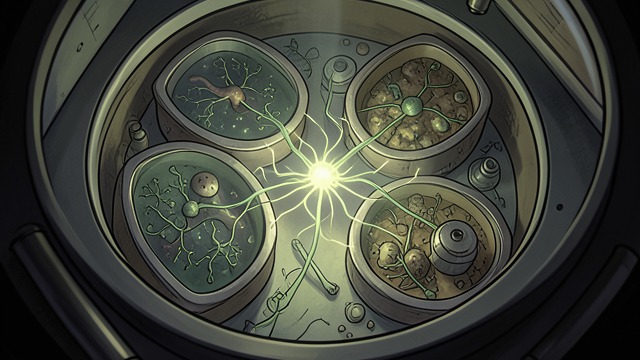
A Collective Past
Individual experience persists beyond the cell
The team theorizes that Yrr cells share genetic information, retaining experience across divisions.
The discovery offers a form of memory radically unlike human autobiography.
The Particle’s Journey

Self as Part of a Current
Perspective shifts beneath the surface
Weaver imagines herself as a particle carried through the global ocean circulation system.
The image dissolves the boundary between individual life and planetary process.
Memory as Responsibility
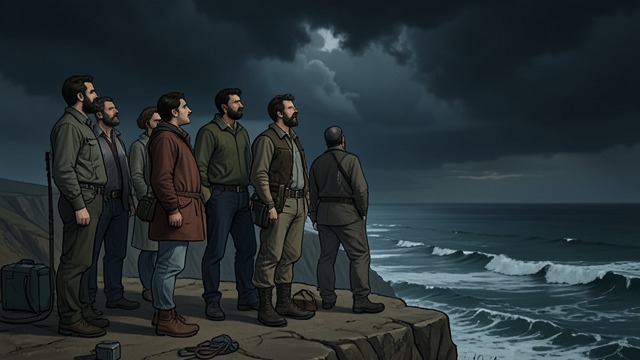
A Future Inherited
Reprieve requires change
Crowe considers whether humanity can learn from its past rather than treating ecological damage as forgotten history.
The novel contrasts human short memory with Yrr continuity and leaves responsibility with the survivors.
before his return to Nunavut
during the Arctic expedition
after DNA analysis aboard the Independence
during Weaver’s descent
15 August, in Crowe’s diary
