
The Major’s Killing and Haunting
The SympathizerThe Crapulent Major moves from a compromised but ordinary exile to a target of suspicion whose death becomes a lasting burden in the narrator’s memory.
increasing Bearing strength in each event
 decreasing
Bearing strength in each eventdecreasingA Convenient Suspect

A Convenient Suspect
A Name Offered
The General asks the narrator to identify a possible informer. To avoid appearing evasive, the narrator names the Crapulent Major, though he knows little supports the accusation.
A Person Reduced to Evidence
The General cites the Major’s Chinese background, his family’s apparent prosperity, and his own dislike of fat men. The narrator privately recognizes the weakness of this reasoning.
The Major becomes a convenient target because the movement’s fear needs a person to embody it.
A Life Behind the Label

A Life Behind the Label
Ordinary Hardship
The narrator shares breakfast with the Major and learns about his gas-station job, his struggling wife, and his newborn twins named Spinach and Broccoli. The Major jokes about his weight and the ways he uses humor to get hired.
Evidence Against Suspicion
His appetite, talkativeness, and domestic concerns make him appear neither a skilled spy nor a secret political operator. The narrator’s earlier accusation looks increasingly unjust.
The Major’s ordinary vulnerabilities complicate the idea that he is merely a disposable suspect, even though his past work was also morally compromised.
The Planned Assassination
The Planned Assassination
A Staged Encounter
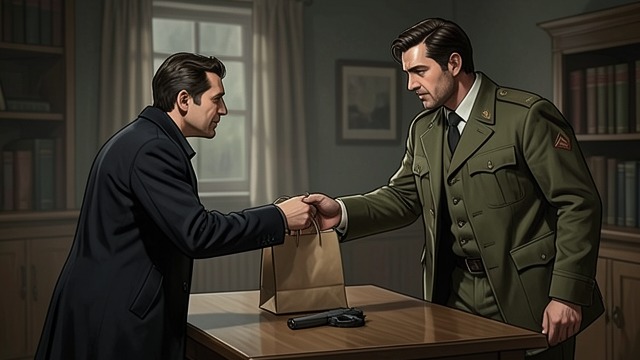
The narrator and Bon plan a killing disguised as a robbery. The narrator brings the Major a gift bag while Bon waits with a pistol.
A Choice at the Last Moment
Bon cannot shoot the Major in the back. He calls out, and the Major turns before Bon fires, making the killing direct and irreversible.
The narrator’s misgivings do not prevent the act; friendship, obedience, and political fear converge in a decision he will never be able to recast as harmless.
A Funeral and a Family

A Funeral and a Family
A Public Lie
The General praises the Major as a self-sacrificing man killed in a robbery. The narrator photographs the funeral while Sonny records the story for his newspaper.
Private Remorse
The narrator later visits the Major’s widow and gives her part of his settlement money. He sees the children and confronts the fact that his action has harmed a family who did not choose the conflict.
The visit is an attempt at atonement, but money and kindness cannot restore the dead man or undo the lie told about his death.
The Third Eye
The Third Eye
Memory Becomes a Witness
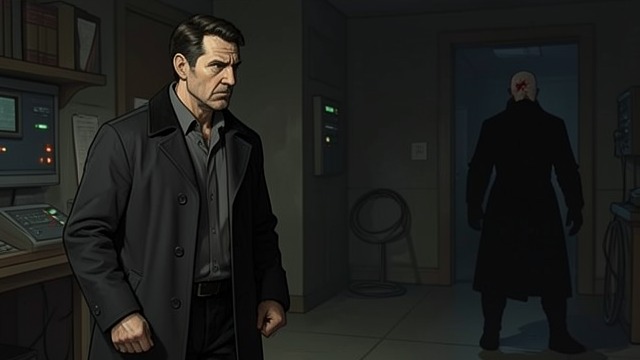
The narrator repeatedly imagines the Major’s bullet wound as a third eye that watches him. The dead man intrudes into dreams, journeys, and moments when the narrator tries to explain his own motives.
No Absolution
The Major’s ghost does not offer a neat judgment, but its presence prevents the narrator from treating the killing as a completed operation. The Major remains both victim and reminder of the narrator’s capacity to obey.
The haunting turns guilt into an ongoing relationship rather than a feeling that can be settled by confession or compensation.
After the exiles arrive in Los Angeles
During the Major’s final weeks in Los Angeles
Around the United States Bicentennial
Several weeks after the assassination
After the killing, during the narrator’s later crises
