
The Narrator and His Mother
The SympathizerThe narrator’s bond with his mother persists as a remembered source of tenderness, strength, and unresolved pain across exile and reeducation.
increasing Bearing strength in each event
 decreasing
Bearing strength in each eventdecreasingA Mother’s Protection

A Mother’s Protection
Shared Poverty
The narrator’s mother raises him with little money and little protection from relatives who regard him as illegitimate. She gives him what she can and often gives up her own portion of food.
A Language of Worth
She tells him to study and insists that his mixed background does not make him lesser. Her words give him a durable belief in his own possibility, though they also bind success to proving others wrong.
The relationship offers intimacy in a world that repeatedly classifies the narrator as an outsider.
Food as Love

Food as Love
Small Acts of Care
The narrator remembers helping his mother make soup and waiting by the pot as it simmered. Their meals are modest, but food becomes a language through which she gives him care.
A Lesson in Sacrifice
When she claims not to be hungry, he understands that she is giving him her share. Their silent contest over food teaches him both affection and anger at the conditions that make generosity necessary.
These memories later return whenever he encounters the fragility of other families and the unequal distribution of safety.
The Mother’s Death

The Mother’s Death
Distance Becomes Final
The narrator receives word that his mother has died of tuberculosis while he is studying in the United States. He had not returned home since saying goodbye before his education abroad.
Keepsakes Lose Their Owners
Her notebook, pen, and biscuits become the last material signs of her attention. The narrator eventually loses or destroys them, intensifying his sense that memory cannot preserve everything it loves.
Her death is a defining absence, especially because she had been the one person who offered him belonging without qualification.
A Grave Built for a Film
A Grave Built for a Film
An Ersatz Memorial
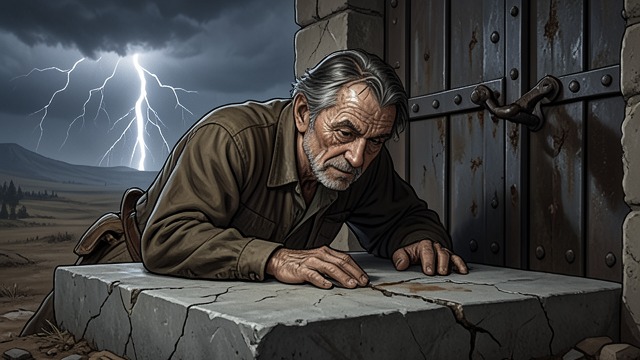
The narrator places his mother’s photograph on a film-set tombstone and paints her name on it. The artificial cemetery offers a temporary resting place for a woman whose real grave is far away.
Destruction for Spectacle
The film director orders the cemetery prepared for an explosion. The narrator tries to pay his respects, then is caught in the blast that destroys the set.
The scene joins private mourning to commercial spectacle, turning the narrator’s attempt to honor his mother into material for a production he cannot control.
A Voice During Torture
A Voice During Torture
Memory as Shelter
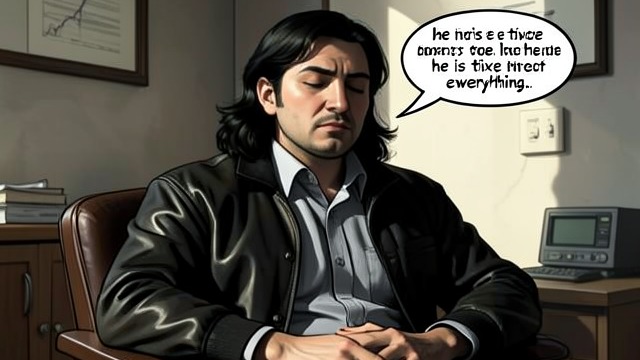
Under intense light and enforced wakefulness, the narrator recalls his mother telling him he is twice of everything. Her voice helps him retain a sense of self when his body and memory begin to fracture.
Love Without an Easy Answer
Afterward, he wonders how his mother would judge his actions and whether her reassurance can coexist with his failures. Her love remains real, but it cannot make him innocent.
The bond survives as an inner resource rather than a solution, preserving tenderness inside a narrative crowded with political claims and guilt.
The narrator’s childhood in the village
During the narrator’s childhood and adolescence
While the narrator is at Occidental
During the filming of The Hamlet
During the sleep-deprivation examination
