
Political Suspicion and Violence
The SympathizerThis flow traces the escalation from fear of spies to fabricated evidence, assassination, and a war within the exile community over who counts as an enemy.
increasing Bearing strength in each event
 decreasing
Bearing strength in each eventdecreasingA Spy Must Be Found
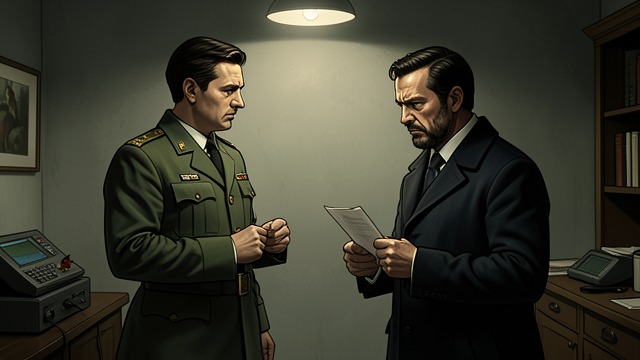
A Spy Must Be Found
The General’s Fear
The General wonders whether communist agents have entered the refugee community. The narrator sweats as he is asked to identify a suspect.
A Protective Accusation
He names the Crapulent Major, hoping to redirect attention away from himself. The General is unconvinced at first but remembers the suggestion later.
Suspicion becomes self-reinforcing: once the community expects an infiltrator, uncertainty itself begins to look like evidence.
Evidence Without Proof
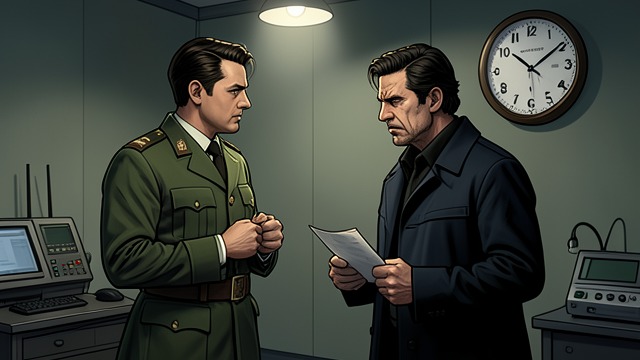
Evidence Without Proof
Identity as Suspicion
The General cites the Major’s Chinese ancestry and the prosperity of his family as reasons to suspect him. These claims rely on prejudice and rumor rather than confirmed intelligence.
The Narrator’s Silence
The narrator knows the case is weak but does not withdraw the accusation. He has already endangered the Major and cannot easily admit that the error is his.
Political fear is used to convert social difference into proof, making a personal mistake appear to be an institutional conclusion.
Murder Disguised as Robbery
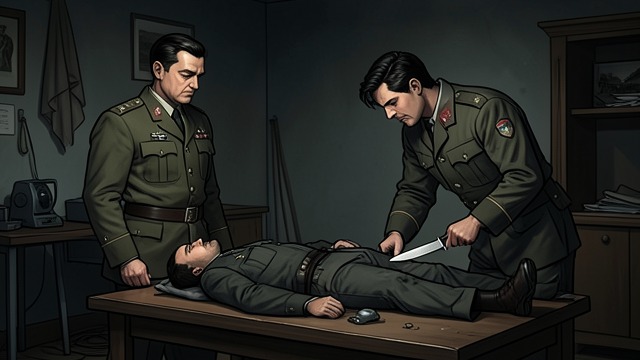
Murder Disguised as Robbery
A Secret Order
The General directs the narrator and Bon to resolve the supposed informer problem. They design a staged encounter and carry out the killing without establishing the Major’s guilt.
Violence Becomes Procedure
The murder is reported as a robbery, and the General praises the dead man at his funeral. A charitable payment to the widow cannot repair the concealment.
The movement’s internal security reproduces the violence of the regime it opposes, demonstrating how political purpose can make private wrongdoing seem routine.
Sonny’s Reporting Intensifies
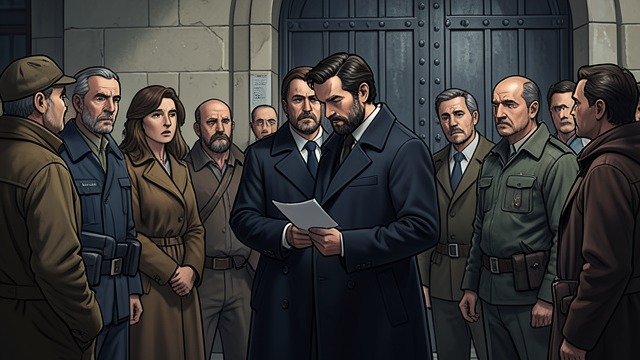
Sonny’s Reporting Intensifies
Public Questions
Sonny publishes questions about the Major’s death and whether the war should continue. His reporting gives voice to exiles who are tired of renewed military promises.
A New Suspect
The General now sees Sonny as a possible communist agent and presses the narrator to act. The narrator recognizes that the General’s suspicion may itself be a political strategy.
The conflict widens from a disputed assassination to the freedom of the press and the General’s power to define dissent as infiltration.
The Next Killing
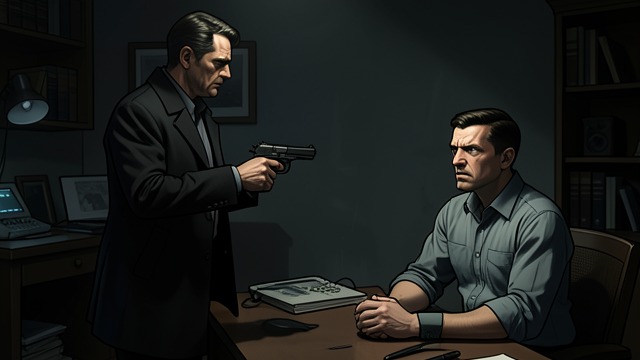
The Next Killing
A Failed Confession
The narrator visits Sonny intending to disclose his secret and possibly save him. Sonny refuses to believe him and interprets the conversation as an attempt at manipulation.
Violence Without a Clear Verdict
The narrator shoots Sonny after the argument collapses. His claim that he is helping Sonny has no credible support, and he later finds no comfort in completing the act.
The second assassination shows how an accusation of disloyalty can make the narrator both a supposed defender and a direct source of violence.
At Camp Pendleton, after the fall of Saigon
During the General’s movement planning
Around the United States Bicentennial
After the Major’s funeral and the General’s rally
The night the narrator visits Sonny
