
The General Against Sonny
The SympathizerThe General’s political conflict with Sonny develops from ideological disagreement into surveillance, suspicion, and the narrator’s deadly intervention.
increasing Bearing strength in each event
 decreasing
Bearing strength in each eventdecreasingA Journalist Returns
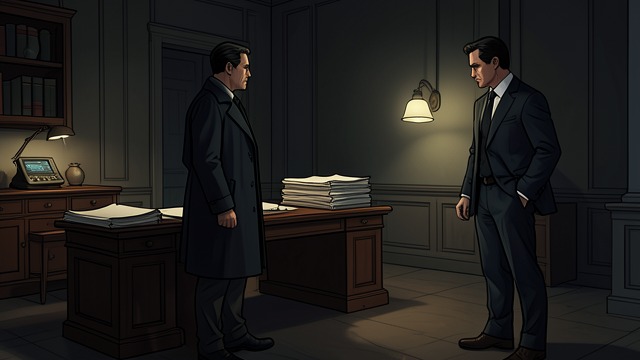
A Journalist Returns
A New Public Role
Sonny appears at the General’s opening as editor of a new Vietnamese-language newspaper. His presence introduces an independent public voice into the exile community.
A Reunited Acquaintance
The narrator greets Sonny as an old college acquaintance, but their political histories remain unresolved. The General welcomes the coverage while also retaining memories of journalists who challenged authority in Saigon.
The meeting starts with hospitality and soon reveals that the newspaper may become a rival center of influence.
The Newspaper’s Challenge
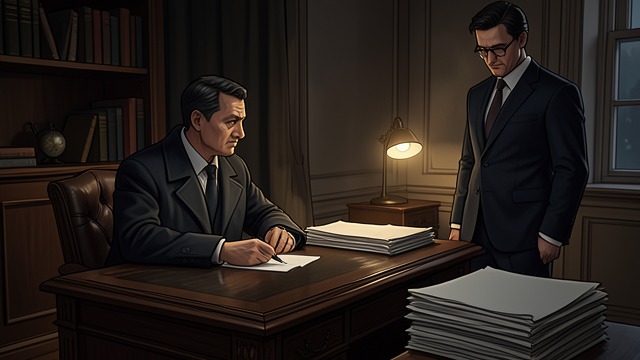
The Newspaper’s Challenge
A Call to Move On
Sonny publishes “Move On, War Over,” questioning whether the exile community should continue to organize around the lost war. The article unsettles the General’s strategy of keeping resentment active.
Facts Become Threats
Later reporting raises questions about the Fraternity, its funds, and the possibility of a secret army. The General sees these stories as gifts to the communists rather than journalism.
The disagreement is not only over policy; it concerns whether exiles may imagine a future other than armed return.
The General’s Suspicion
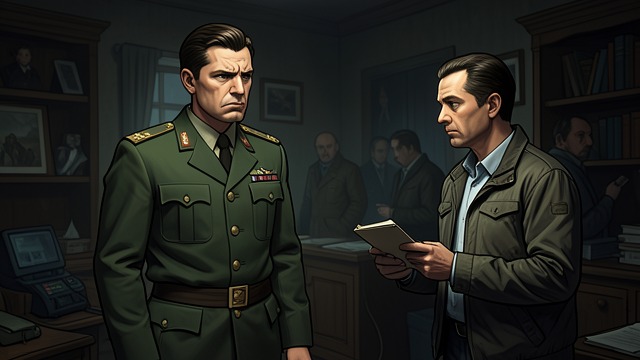
The General’s Suspicion
An Informer in the Newsroom
The General asks whether Sonny might have been planted among the exiles to undermine them. The narrator knows Sonny’s leftist history but also sees that the General’s conclusion exceeds the evidence.
Pressure to Act
The General warns that something may need to be done. The narrator agrees aloud without agreeing internally, preserving his place in the General’s confidence.
Political suspicion turns a journalist’s public criticism into a private security crisis, leaving the narrator caught between two organizations and two forms of loyalty.
The Narrator’s Decision
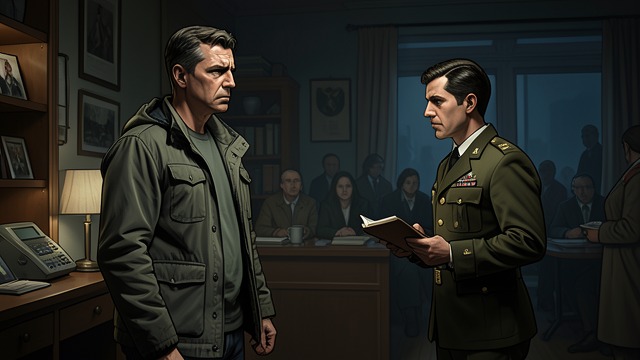
The Narrator’s Decision
A Mission Reinterpreted
The narrator believes he must prove himself to the General and thinks of killing Sonny, even as he recognizes that Sonny is not the kind of covert agent the accusation describes.
A Personal Confession
The narrator visits Sonny and reveals his own communist identity, hoping to create a different outcome. Sonny rejects the disclosure as a trap, and the narrator’s plan collapses into violence.
The decision grows out of political pressure, but jealousy, guilt, and the desire to be understood make it impossible to treat as a purely strategic act.
A Community Divided
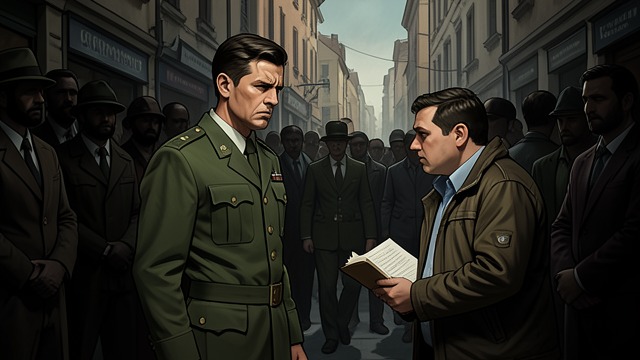
A Community Divided
A Public Cause Continues
The General continues building his movement, while the newspaper’s questions remain part of the community’s contested memory. The narrator carries the secret of Sonny’s killing into the next mission.
No Easy Reconciliation
The exile community must choose between continued war and the possibility of returning to rebuild peacefully. Neither choice can be separated from the question of who controls its public story.
The conflict’s unresolved aftermath shows how violence can silence an individual without settling the argument that gave rise to it.
At the liquor-store opening
After the General’s public rally
After the newspaper reports on the Movement
After the General asks for action
After Sonny’s death and during the next organizing phase
