
The Hollywood Contest for Meaning
The SympathizerThe novel’s conflict over The Hamlet moves from a debate about authenticity to a struggle over ownership of history and the visibility of Vietnamese people.
increasing Bearing strength in each event
 decreasing
Bearing strength in each eventdecreasingThe Screenplay’s Silence
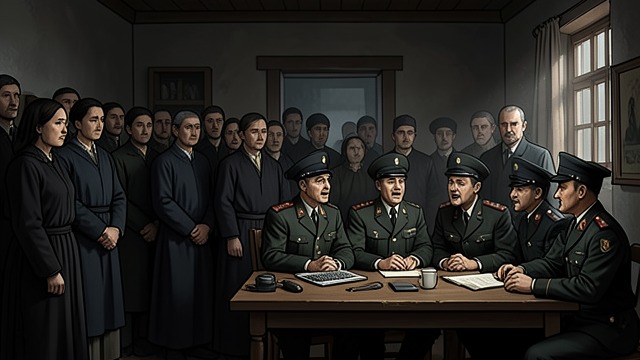
The Screenplay’s Silence
Vietnamese Characters as Background
The narrator finds that people in the screenplay are mostly unnamed villagers who scream without meaningful speech. The American military characters carry the dialogue and interpret the war.
A Challenge to the Director
He argues that a story set in Vietnam should allow Vietnamese characters to speak. The director treats the screenplay as an artistic vision and questions the narrator’s authority to critique it.
The conflict begins with a formal imbalance: the people whose country is depicted lack control over the story’s language.
Speaking Roles Added
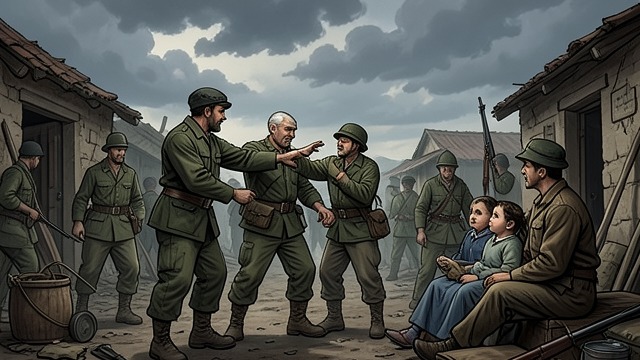
Speaking Roles Added
A Partial Revision
The director adds Binh, Mai, and Danny Boy, giving Vietnamese characters some dialogue and more narrative presence. The narrator welcomes the change as better than the original silence.
The Same Story Center
The new characters still exist largely to support American heroism: one helps the soldiers, one is assaulted, and one is adopted into an American family. Their speech does not give them equal control of the plot.
The revision changes the surface of representation while preserving its central hierarchy.
The Rape Scene Dispute
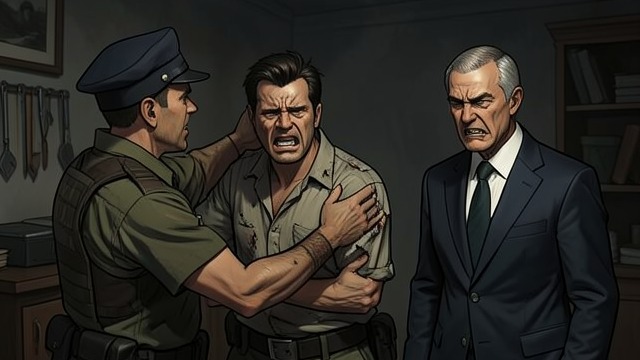
The Rape Scene Dispute
A Question of Necessity
The narrator asks whether Mai’s rape is necessary, arguing that the scene may be a blunt device. The director insists that the assault is essential to make the audience feel the war.
A Personal Accusation
The director calls the narrator a sellout, turning a professional disagreement into a judgment about his identity. The narrator answers that American promises to people like him were never matched by trust or respect.
The conflict exposes how representations of Vietnamese suffering can be used to intensify an American audience’s emotions while leaving Vietnamese agency secondary.
The Cemetery Explosion
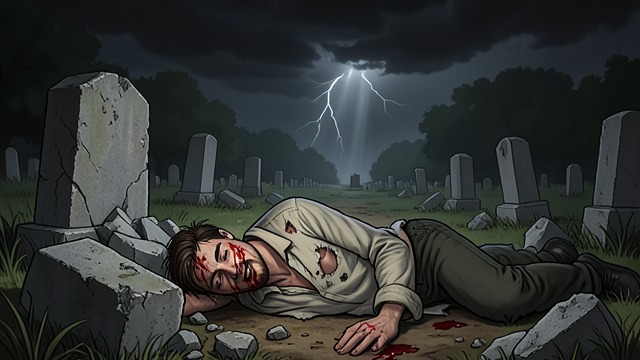
The Cemetery Explosion
A Private Memorial Repurposed
The narrator’s makeshift grave for his mother is built among the film-set tombs. The director changes the shooting plan and orders the cemetery prepared for destruction.
A Blast and a Missing Memory
An explosion injures the narrator and leaves him unable to remember part of what happened. He later suspects it was not a simple accident, but cannot prove what was intended.
The destruction of the grave brings the film’s power over Vietnamese memory into the narrator’s private life and body.
The Missing Credit
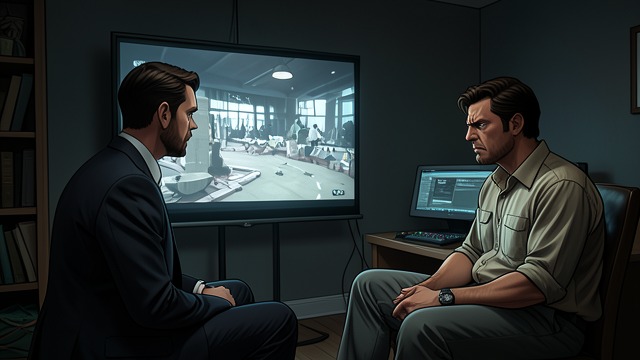
The Missing Credit
A Film Seen Abroad
The narrator watches The Hamlet with Bon and recognizes the craft of its spectacle even as its Vietnamese characters remain subordinate to the American story.
A Name Omitted
The credits never include the narrator, despite his substantial work as a cultural consultant. Bon tells him that the film did not make Vietnamese people fully human simply by giving them roles.
The missing credit crystallizes the conflict over authorship: participation did not ensure ownership, recognition, or control of meaning.
When the narrator first reads The Hamlet
After the first argument with the director
During the middle of the film shoot
Near the end of filming
At the Bangkok screening
