
The Refugee Network of Memory
The SympathizerThis subplot follows the exiles’ informal exchange of stories and information as a means of preserving community across geographical separation.
increasing Bearing strength in each event
 decreasing
Bearing strength in each eventdecreasingLetters Through Paris

Letters Through Paris
A Coded Correspondence
The narrator writes to Man through Man’s aunt in Paris, using weather and family details as signals. Invisible ink and a book cipher allow him to report on exile life without exposing the network.
Two Audiences
The visible letter presents an ordinary refugee’s experiences, while the hidden message carries intelligence. Writing becomes a means of communication and a continuation of the narrator’s double life.
The correspondence connects separated friends but also keeps intimacy subordinate to operational secrecy.
Stories Across States

Stories Across States
A Community Telegraph
Refugees share phone numbers, addresses, and reports about jobs, racism, and relatives. The narrator records how these stories circulate through scattered communities.
Hardship and Hope
The accounts include exploitation, family separation, and deaths, but also small successes such as school elections and scholarships. The community searches for evidence that its people can survive.
The network does not restore the country, but it makes individual losses visible to people who might otherwise disappear into distant towns.
Rumor as Shared History
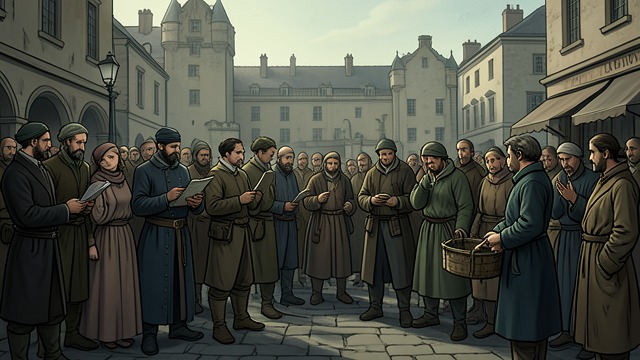
Rumor as Shared History
Stories of Harm
Exiles trade accounts of refugees exploited by employers, women deceived by lovers, families divided, and individuals destroyed by poverty or despair. The stories circulate without a formal archive.
Collective Memory
The narrator describes the community as trying to pan for gold among its losses, keeping a few stories of success beside many accounts of grief. Rumor becomes both unreliable evidence and a necessary form of remembrance.
The practice reveals how displaced people create history from fragments when institutions and official narratives do not serve them.
Photographs as Intelligence

Photographs as Intelligence
A Camera in Plain Sight
The narrator uses his Minox camera to photograph the General’s records, military organization, and communications. He sends the images to Man through a carefully concealed courier system.
Evidence and Betrayal
The same photographs that preserve information for the underground could expose the movement and endanger Bon. The narrator continues the work while struggling with the personal consequences of the intelligence he gathers.
His camera turns ordinary administrative records into both historical evidence and instruments of danger.
A Manuscript for the Sea

A Manuscript for the Sea
Writing Against Disappearance
The narrator and Bon revise their account while preparing to leave Vietnam. The manuscript records not only the events they have witnessed but also the political contradictions they cannot resolve.
A Physical Testimony
They wrap the pages and carry them in a rucksack with hidden gold and a cipher. Whether they reach safety or not, the writing is intended to survive as a record of their experience.
The manuscript turns their private testimony into a fragile claim to represent themselves against both Hollywood and revolutionary authority.
After the narrator reaches Camp Pendleton
During the first year after resettlement
During the first years of exile
During the General’s organizing period
The night before the final boat departure
