
The Narrator’s Mother and Father
The SympathizerThis family thread traces how the narrator’s mother’s love sustains him while his priest father’s absence becomes a lasting source of anger and guilt.
increasing Bearing strength in each event
 decreasing
Bearing strength in each eventdecreasingA Child Marked Bastard
A Child Marked Bastard
Exclusion at Home
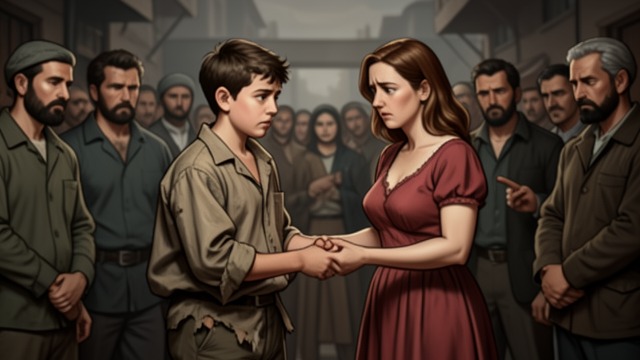
The narrator grows up as the son of a poor Vietnamese mother and a French priest who does not publicly claim him. Relatives deny him the full welcome given to legitimate children.
A Mother’s Promise
When a cousin calls him a bastard, his mother comforts him and urges him to study and work harder than those who exclude him.
The insult becomes both wound and education, shaping his hunger for approval and his suspicion of any easy account of belonging.
Lessons from His Father
Lessons from His Father
A Father at a Distance
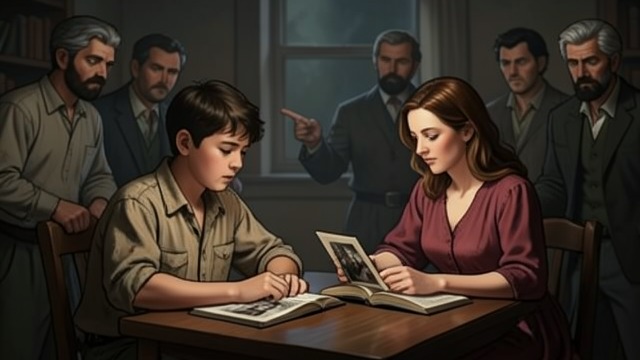
The narrator’s biological father teaches Catholic doctrine to children but does not acknowledge him as a son. The child learns religious lessons without understanding the family secret behind them.
Knowledge Arrives as Injury
A classmate’s taunt prompts the narrator to ask his mother about his father. She explains the relationship and frames the narrator as a child with a destiny, even as the revelation ends his childhood innocence.
The father’s authority over faith and morality is complicated by his failure to offer the narrator ordinary recognition or care.
The Mother’s Death
The Mother’s Death
News from Home
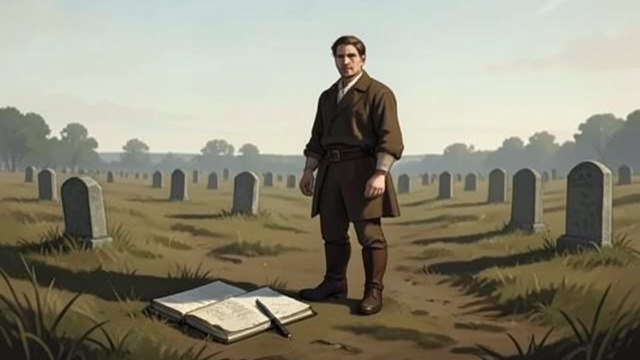
The narrator learns by letter that his mother has died of tuberculosis. He had been far away at college and had not seen her for years.
Memory Becomes a Keepsake
Her last gifts—a notebook, pen, and treasured biscuits—remain bound to his memory, though the notebook is later burned and the pen lost. Her absence becomes especially vivid when he visits a recreated film-set cemetery.
Her death leaves him without the one person who treated his mixed identity as a source of strength rather than shame.
A Wish Against His Father
A Wish Against His Father
Anger in a Letter
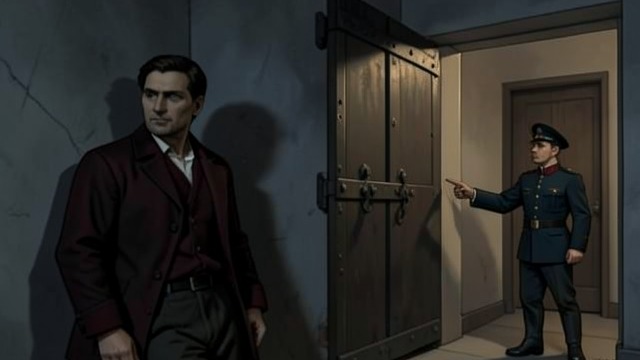
The narrator tells Man that he wishes his father were dead. The wish expresses years of neglect and resentment, but it is also a message written to a trusted revolutionary friend.
Desire Becomes Consequence
The narrator later learns that his father has been assassinated. During reeducation, Man argues that the narrator’s written wish helped bring about the act, forcing him to confront the distance between a thought and its political consequences.
The episode transforms private anger into a question of agency: whether words can become orders even when their author denies intending them that way.
The Mother’s Inherited Voice
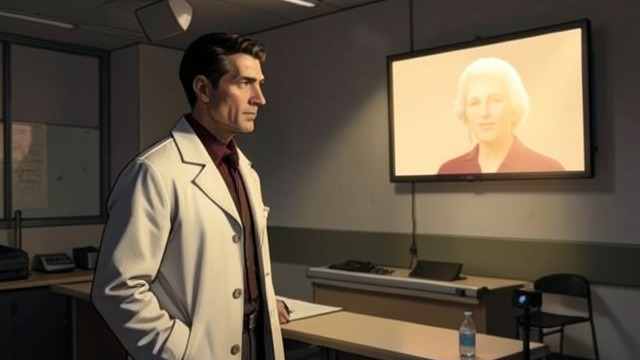
The Mother’s Inherited Voice
Comfort Under Pressure
During the examination, the narrator recalls his mother’s insistence that he is not half of anything but twice of everything. The memory helps him endure a process designed to fracture his sense of self.
Love Without Innocence
After surviving, he wonders how his mother understood him and whether love can coexist with the harm done by his parents’ unequal circumstances. Her care remains sustaining without providing a simple moral absolution.
The mother’s voice survives as an ethical counterweight to ideological slogans, but it cannot erase the narrator’s responsibility for what he has done and failed to do.
The narrator’s childhood in the northern village
The narrator’s childhood and early adolescence
During the narrator’s junior year at Occidental
After his mother’s death, before the father’s funeral
During the final examination and recovery
