“Yesterday”
The Sympathizer“Yesterday” is the Beatles song that Bon, Man, and the unnamed narrator sing together in a Saigon beer garden on the eve of the city’s fall. In a scene crowded with impending loss, the song briefly gathers three blood brothers and the soldiers around them into a shared backward glance; its significance lies less in any stated lyrics than in the contrast between their moment of fellowship and the futures separating them.
The Song in the Beer Garden
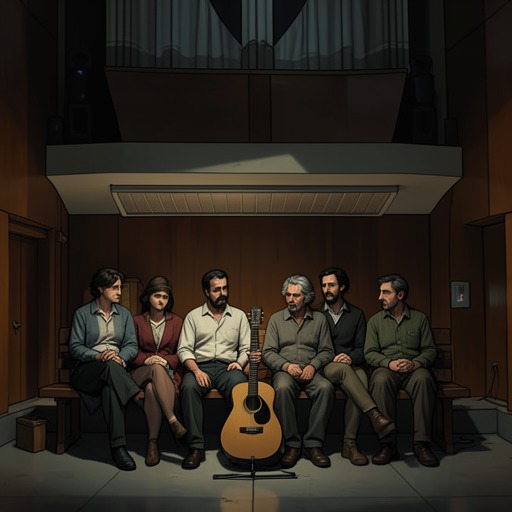
The song follows a performance of love songs by a duo at the garden. The woman sings songs by Trinh Cong Son, whose music is beloved even by the paratroopers, while rain and the surrounding chatter heighten the intimacy of the gathering. Then the guitarist begins the Beatles’ “Yesterday.” Man identifies it, and the three friends join in singing. The scene moves from one musical world to another without leaving the company of soldiers: a Western pop song becomes something the brothers can share in their own language of friendship and memory.
Fellowship and Foreknowledge
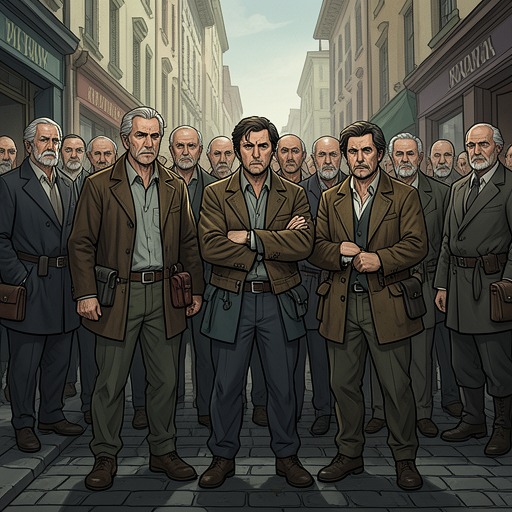
The song makes the brothers’ closeness tangible. They have fancied themselves the Three Musketeers since their lycée days, and the narrator thinks of them as chosen brothers. Their singing follows a toast to hope and a promise to return, but the narrator’s emotion is already shadowed by what the others cannot know: Bon may not see Man again for years, perhaps ever, and he would not board the airplane if he knew that. “Yesterday” therefore sounds within a farewell whose full meaning is not yet available to its participants.
The song also widens the scene beyond the three friends. The narrator knows none of the young soldiers around them, yet feels for men who expect to be killed, wounded, imprisoned, humiliated, abandoned, or forgotten. They are his enemies and also his brothers-in-arms. Their beloved city is about to fall, while he understands that his own political future points toward its liberation. For two minutes, singing lets the opposing futures recede: they feel for the past and turn their gaze from what is coming, like swimmers doing the backstroke toward a waterfall.
Memory, Music, and Exile
The scene gives a familiar pop song a distinctly local emotional charge. The men’s bond is formed not only through war but through reading, storytelling, and music; Man, for example, had introduced the friends to Dumas and imagined a life as a literature teacher in peacetime. The song’s place among these shared cultural references helps explain why the garden’s music can hold both tenderness and dread without resolving either.
Elsewhere, the novel develops music and remembered home as parts of the exiles’ emotional world. At a performance in America, Lana sings “Bang Bang (My Baby Shot Me Down)” in English, French, and Vietnamese, and the narrator connects the song’s layered languages to the persistence of love, violence, and memory. That later scene does not repeat “Yesterday,” but it extends the book’s attention to how songs carry experience across languages and distance. The beer-garden performance remains an earlier, more fragile instance: three friends sing together just before their lives and political destinies begin to pull apart.