Vampire starvation
The Tale of the Vampire BrideVampire starvation is the progressive bodily and mental collapse that follows the withholding of blood. The novel makes it more than a generalized vampire weakness: through Glynis Wright’s nightmare and her later encounter with Vlad Dracula’s abandoned brides, starvation becomes visible as wasting, pain, desperation, and the loss of the beauty and vitality associated with vampiric power. Its eventual relief comes not through rescue or mercy in the abstract, but through access to blood—granted by the same master whose abandonment caused the women’s condition.
Nature and Bodily Effects
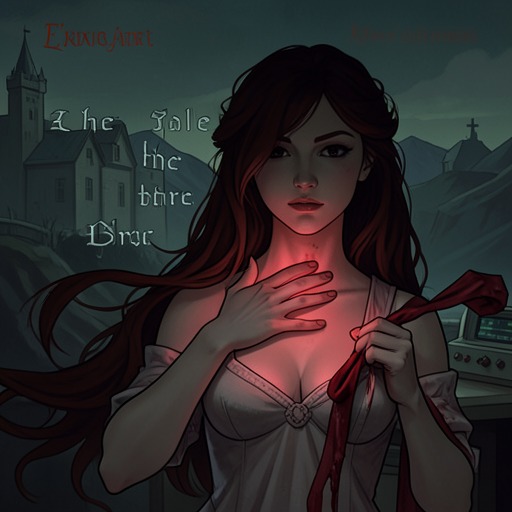
The novel first establishes the importance of blood by contrast. After her transformation, Glynis remembers freedom as including the ability to feed, and experiences her new power as something that can be renewed through blood. Starvation reverses that renewal: the vampire body does not simply become hungry, but visibly deteriorates. In Glynis’s nightmare, her hands are shriveled and gray, her nails long and clawed, and her weakness is so extreme that she cannot splinter the heavy castle door. Hunger leaves her trapped as well as depleted.
The dream continues through increasingly intimate signs of bodily breakdown. Her teeth have grown long and sharp, but they shred her dried lips; her mouth is parched, her throat painfully dry, and the flesh of her face cracks and splits as she screams. The imagery turns starvation into a progressive undoing of the vampire body: its predatory features remain, but no longer signify strength. They become instruments of suffering. The nightmare’s detailed sequence makes the condition dreadful not only because it threatens life, but because it strips the vampire of command over her own body.
The Brides’ Abandonment
On 25 April 1820, in Buda, Glynis records having had nightmares since Vlad created her with his blood, with the dreams growing particularly vicious after his return. She dreams that she is ravenously hungry and clawing at the castle door in an attempt to escape. The locked door and the body too weak to break it bind starvation to captivity: the imagined vampire cannot obtain blood or even force a way out. Her fear is sharpened by the conviction that the man she loves has abandoned her and that hunger will consume her until nothing remains.
When Glynis awakens, Vlad is beside her. She recognizes that he, too, has dreamed of the three women he left to starve. She pleads with him not to keep them hungry and asks how he can do this to Cneajna, invoking the love between them. Vlad refuses to hear Cneajna’s name; when Glynis insists that she loves both of them and says she dreamed of her, he strikes her. The exchange makes starvation an expression of power as well as deprivation. Vlad controls the women’s access to nourishment, while Glynis’s compassion for them brings punishment upon herself.
The Starved Bodies and Their Feeding
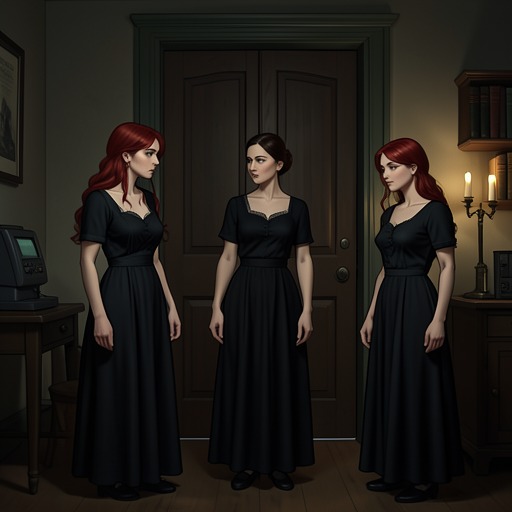
Glynis later sees the three sisters gathered at the open castle doorway, sheltering from the flames and gripping the doorframe. They are skeletal, frail, gray, and old; Cneajna’s hair has become white and brittle, and the flesh of her cheeks has cracked. Ariana reaches toward Glynis but is stopped by the ward around the castle, then falls back in spasms of pain. Their condition is not merely a metaphor for loneliness: the narrative presents starvation as bodily ruin, while the barrier that prevents Ariana reaching Glynis emphasizes that even visible need does not itself provide a way to escape confinement.
Vlad then casts a man into the women’s arms, calling this their justice. They feed with desperate savagery, tearing large wounds to drink his blood rather than eating his flesh. Glynis watches blood spatter their bodies and the ground, then sees it move over their skin and into their mouths. As they drink, their bodies begin to recover: their skin flushes, their hair returns to its former shades, and their milky eyes regain color and fire. Flesh reappears on their bones, though they are not yet fully restored. The scene gives starvation a clear physical counterpoint: blood brings visible life back, but one feeding only begins to reverse the damage.
Significance and Limits of Relief
The contrast between Glynis’s transformation and the brides’ decline clarifies the novel’s account of blood. During her own change, the wind lifts her above the stone floor, her skin turns white, and she awakens to sharpened, nonhuman sight among her new vampire family. Later, she understands vampiric existence as carrying both the power to feed and the freedom to act. The starved sisters embody the opposite condition: vampiric life without nourishment has become weakness, confinement, and desperate dependence on a ruler who can choose whether they eat.
Their feeding restores some color and strength, but the narrative carefully stops short of presenting it as complete recovery. They remain gaunt, and their reunion with Vlad is marked by Cneajna’s desperate appeal rather than an uncomplicated resolution. Starvation therefore functions as a continuing consequence of Vlad’s control, not a passing pang that disappears once blood is supplied. Glynis’s nightmare makes that threat personal: she imagines herself subjected to the same hunger and abandonment, then confronts its reality in the bodies of the women she has urged Vlad to spare. The state exposes the cost of blood withheld as vividly as the power blood confers, linking physical survival to captivity and to the unequal authority over who may feed.