
Faith, Doubt, and Prayer in the Camps
The Tattooist of AuschwitzThis thematic thread traces the prisoners' relationships with God, from Lale's lost faith to Gita's quiet fidelity and the kaddish for the dead.
increasing Bearing strength in each event
 decreasing
Bearing strength in each eventdecreasingHebrew Chants in Block 7
Hebrew Chants in Block 7
In his first nights at Birkenau, Lale Sokolov listens to the soulful sound of Hebrew chants drifting through Block 7. Men without a rabbi pray for guidance, vengeance, or acceptance.
A Personal God
Lale decides that each man praying for what matters to him is as it should be. He moves between the groups, listening but not taking part.
The Beginning of Doubt
Faith is present all around him, but Lale has already seen the gas van and the shootings. The old certainties are beginning to break.
Lale's Refusal to Pray
Lale's Refusal to Pray
Prisoners in Block 7 regularly invite Lale Sokolov to join evening prayers. He declines, and his refusal is politely accepted.
The Ritual of Non-Belief
Lale respects the faith of others but cannot bring himself to address the God who allowed this place. His doubt becomes a quiet companion.
A Communal Life Without God
He still shares bread, tells stories, and sits with grieving men. The community of the block matters more to him than the ritual.
Gita Asks About Faith
Gita Asks About Faith
Gita Furman asks Lale Sokolov if he has lost his faith, and he admits that he has, dating the loss to the first night he arrived and saw the shooting.
Believing in Something
Gita says there must be something to believe in. Lale answers, 'I believe in you and me and getting out of here.'
The Couple's Theology
In place of God, Lale offers love and survival. Gita asks if she can keep her faith, and Lale promises he will encourage it, even when their future children follow their mother's faith.
Kaddish for the Romany Children
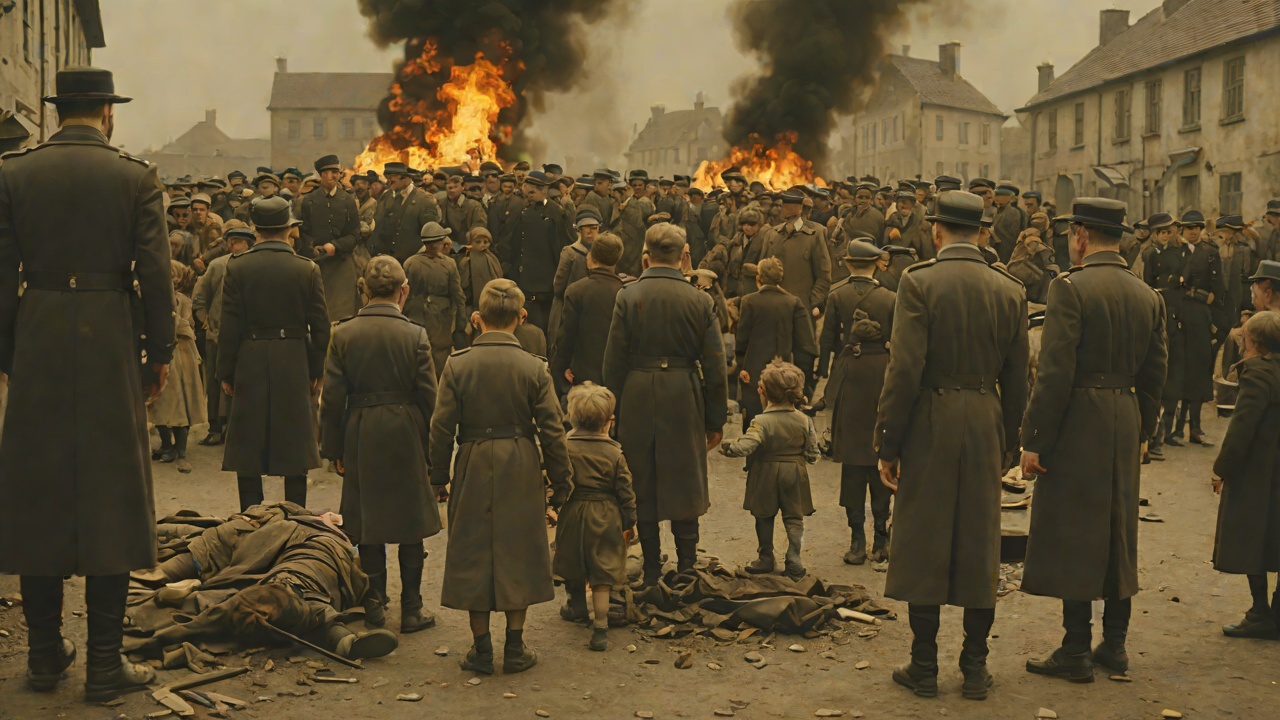
Kaddish for the Romany Children
After the tower guards fire into the crowd, Lale Sokolov helps gather the bodies of dead Romani children. He whispers the kaddish, the Jewish prayer for the dead, even though he has lost his faith.
An Instinct to Honor
Lale does not know how the Romani honor their dead, so he uses the words he learned as a child. The prayer is for all of them.
The Language of Grief
Even a doubter reaches for the old words when death is too close. The kaddish becomes a means of holding on to humanity in the face of slaughter.
A Mother's Vision
A Mother's Vision
Gita Furman, sick in the camp, sees her dead mother in a vision. Her mother tells her she will get better, move to a faraway land, and have a son.
Faith Wrapped in Prophecy
Gita holds onto the vision even as her body weakens. The promise becomes a form of prayer that she answers with survival.
The Fulfillment
After the war, the vision comes true. Gita and Lale Sokolov have a son, Gary Sokolov, in Melbourne. The faith she kept gives her a future.
early May 1942, the first nights at Birkenau
through 1942 and 1943, at evening prayers
1944, behind the administration building
April 4, 1944, after the American plane passes over
during Gita's illness in the camp, recounted in the afterword
