
The Industrialization of Extermination at Auschwitz-Birkenau
The Tattooist of AuschwitzThis main thread follows the camp's transformation from a construction site into a killing machine whose crematoria and gas chambers define every character's existence.
increasing Bearing strength in each event
 decreasing
Bearing strength in each eventdecreasingConstruction of Birkenau
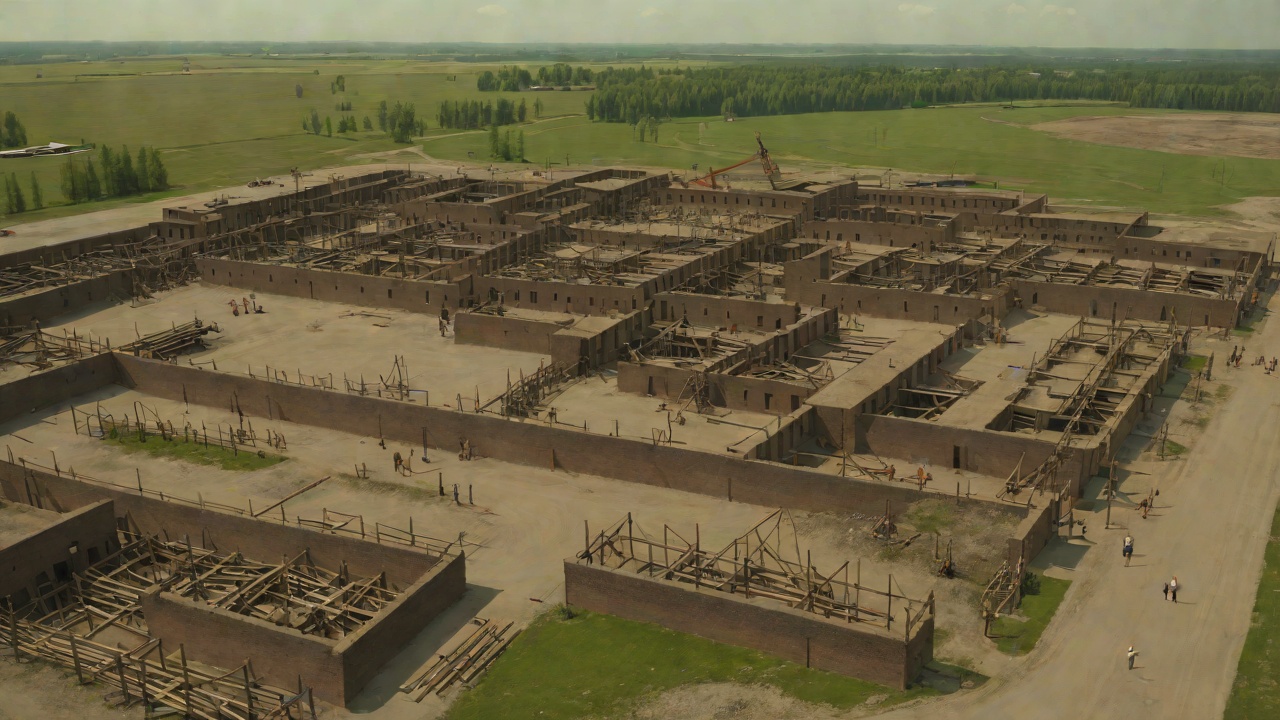
Construction of Birkenau
Lale Sokolov is assigned to tile a roof and notices from his high vantage point that the camp is expanding in every direction. Blocks stretch into the distance, and more prisoners keep arriving to build their own prison.
The Russians' Warning
Two Russian soldiers explain that the SS boast Birkenau will become the largest concentration camp of all. Lale feels a jolt of horror and learns to trust no one completely.
The Architecture of Genocide
The construction is not an accident of war; it is a planned industrial site. Lale's vantage point gives him one of the first glimpses of how enormous the machinery of death would become.
Gas Van Witnessed
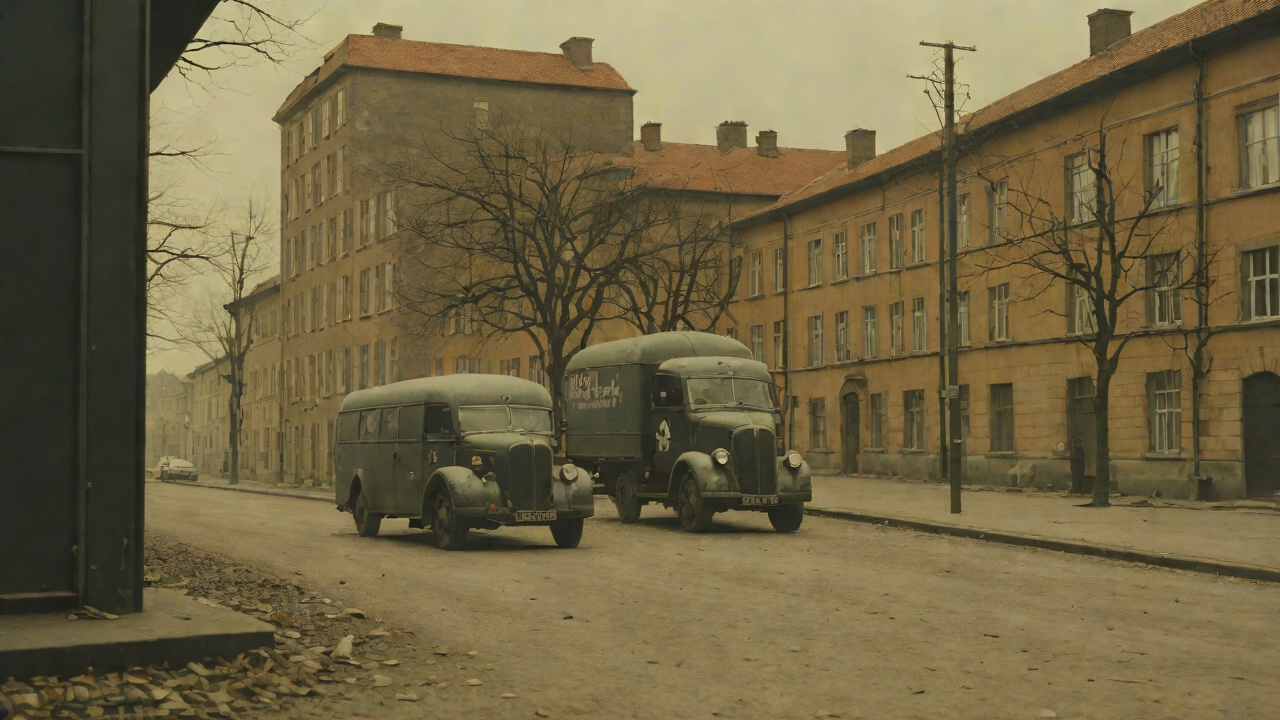
Gas Van Witnessed
Lale Sokolov follows a closed truck behind the administration building and sees a converted bus with steel plates nailed over its windows. Dozens of naked men are forced aboard until their bodies hang from the door.
The Screams
The screams are muffled but unmistakable. Lale watches an officer climb onto the roof, upend a canister into a hatch, and close it. When the doors are opened, dead men fall out like blocks of stone.
The Threshold of Hell
Lale drops to his knees and retches into the dirt. The next morning he is burning with typhus. The act of witnessing the gas van is so devastating that it sends his body into collapse and begins his lifelong burden of knowing what the camp actually is.
Crematorium One Revealed
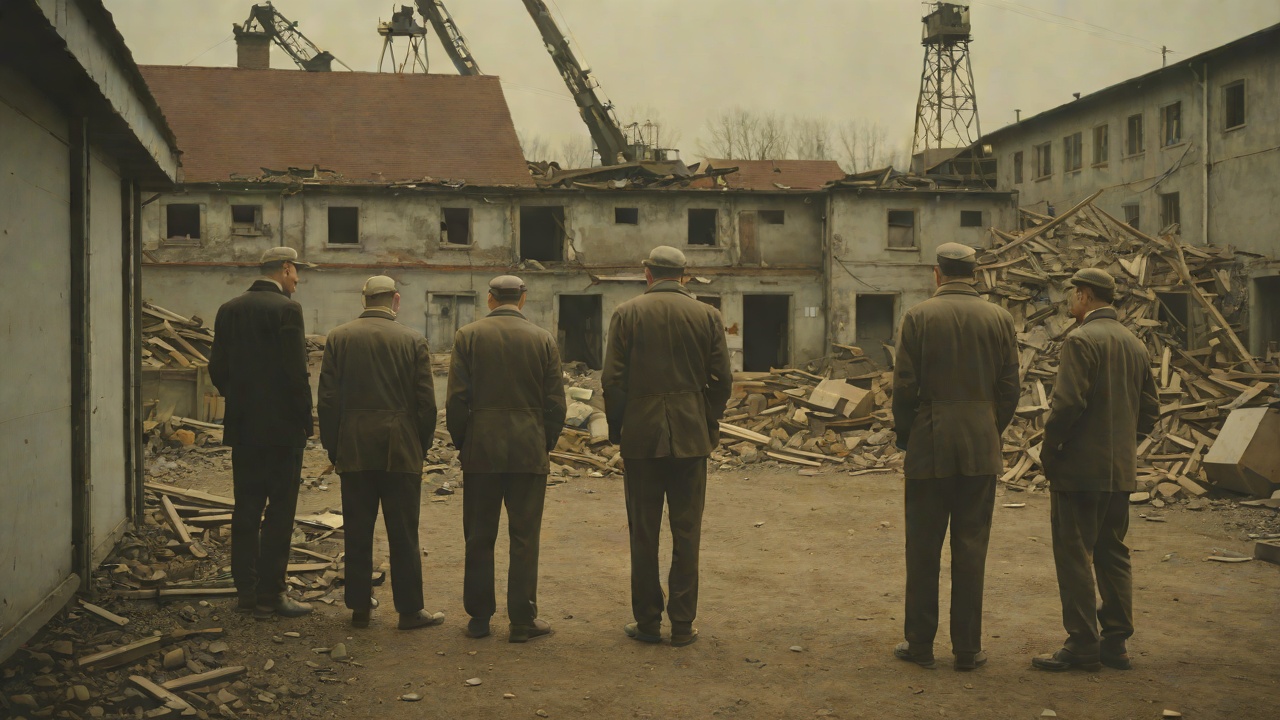
Crematorium One Revealed
Lale Sokolov approaches local workers Victor and Yuri at a construction site, hoping to learn something useful. Victor, the older man, explains that the building they are erecting is called Crematorium One.
The Plans
Victor has seen the plans and knows the building's true purpose. Lale punches a brick in anger when he hears that a crematorium is being built inside the camp. Yuri resents his father giving food to a Jew, but Victor insists that helping one person is worth something.
A Dark Forecast
The existence of Crematorium One suggests more buildings to come. Lale takes the sausage offered by Victor and walks away through the snow, weeping. The knowledge that genocide has been bureaucratized settles deep into his understanding.
Full Capacity Crematoria
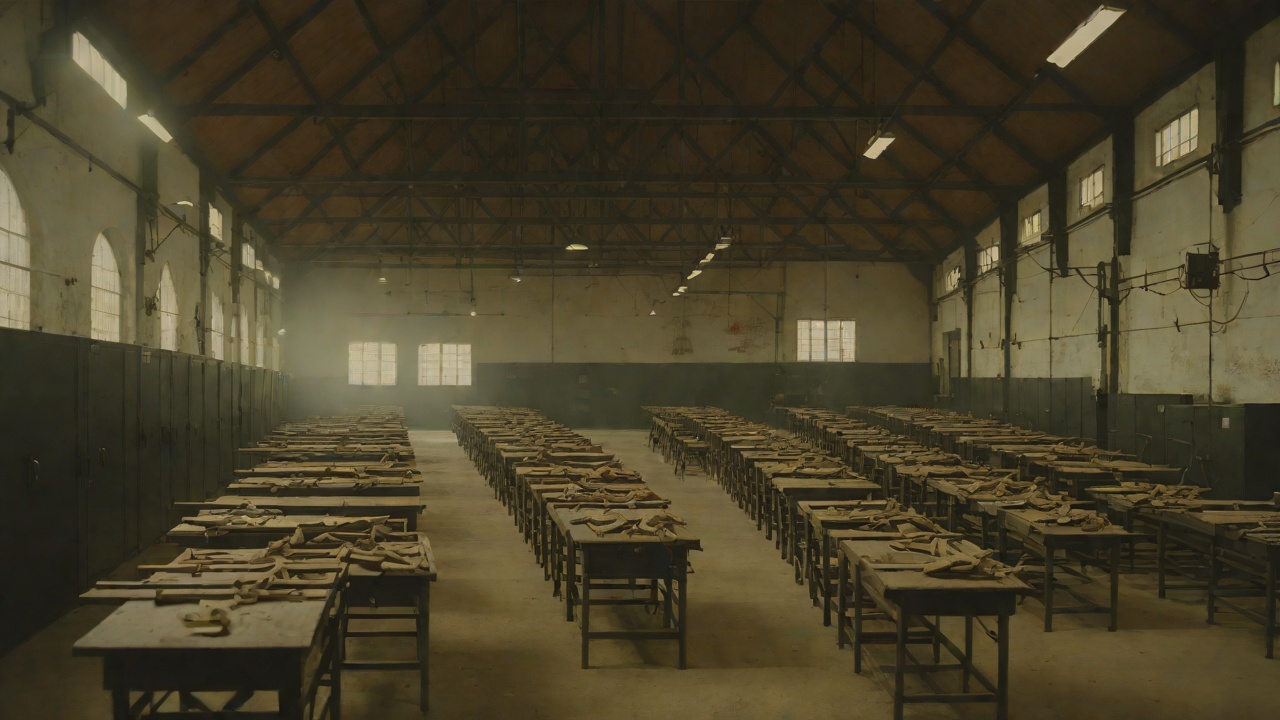
Full Capacity Crematoria
Lale Sokolov and Leon work around the clock as tens of thousands of Hungarian Jews pour into Auschwitz and Birkenau. The five crematoria are operating at full capacity, and ash falls on the tattoo station like snow.
Numbering the Flood
Day becomes night, and night becomes day while Lale reaches for paper, arm, needle. He works robotically, aware that selection determines who lives long enough to receive a tattoo and who goes immediately to the gas.
The Machinery Never Stops
The transports from across Europe prove that the death machine has become industrialized. Lale learns to function beside the chimneys, but the falling ash and the smell of burning bodies never leave him.
Revolt at Crematorium 4
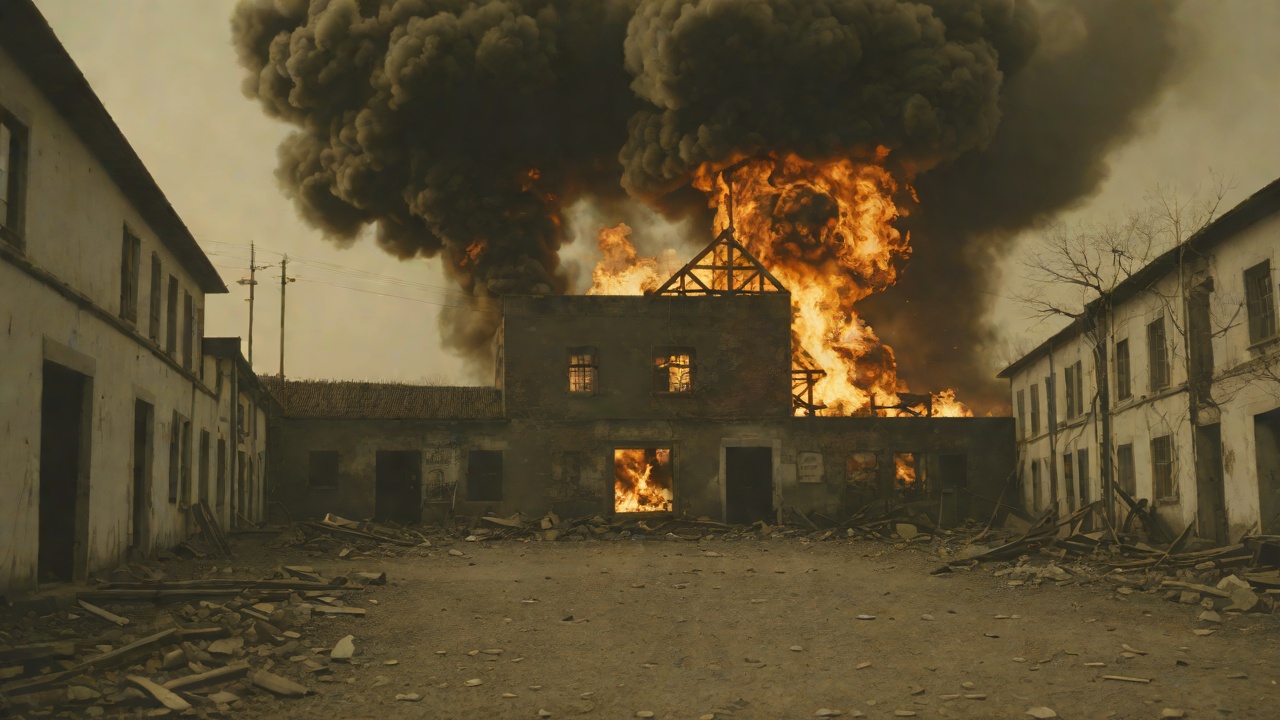
Revolt at Crematorium 4
A massive explosion shakes the ground beneath Lale Sokolov and Gita Furman. The Sonderkommando have stockpiled crude grenades made from sardine tins and smuggled gunpowder, and they are attacking the SS.
Open Fire
Sonderkommando members fire wildly from the roof of Crematorium 4 while SS machine guns answer. Prisoners running from the administration building are gunned down. Lale pushes Gita against a wall and orders her to return to her block.
The First Crack
The destruction of Crematorium 4 proves the prisoners can strike back. The uprising is suppressed, but it shatters the myth of total passivity. Lale realizes that resistance is possible even in the heart of the death factory.
Birkenau Evacuation
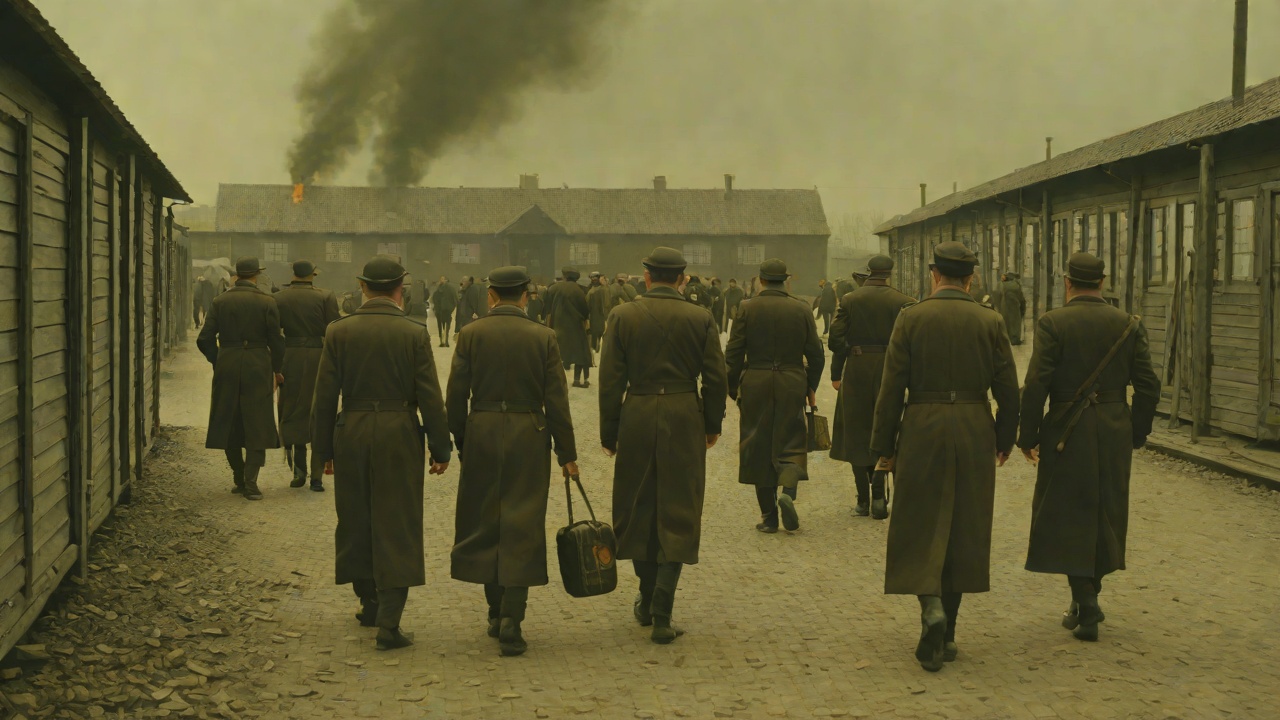
Birkenau Evacuation
SS officers burst into every block, destroying records and painting red slashes on the women's coats. Lale Sokolov learns from a panicked worker that the camp is being emptied and the Russians are near.
Separation
In the chaotic morning, thousands of women are marched out of Birkenau. Lale sees Gita Furman for a moment, calls her name, and hears her shout her surname from the moving crowd. He kneels in the snow as the gates shut behind her.
The End of the Machine
With the evacuation, the industrial killing system collapses. Trains carry prisoners westward while the crematoria fall silent. The camp that consumed millions has begun to die, though it has not yet released its survivors.
spring 1942, Lale's first work detail
late spring 1942, behind the administration building at Birkenau
winter 1942, while Lale talks to Victor and Yuri
spring 1944, during the Hungarian transports
October 1944, during the Sonderkommando uprising
late January 1945, as the Red Army approaches
