
Hope and Small Beauties in Hell
The Tattooist of AuschwitzThis thematic thread traces the moments of beauty and joy that resist the dehumanizing logic of the camps.
increasing Bearing strength in each event
 decreasing
Bearing strength in each eventdecreasingFields of Poppies
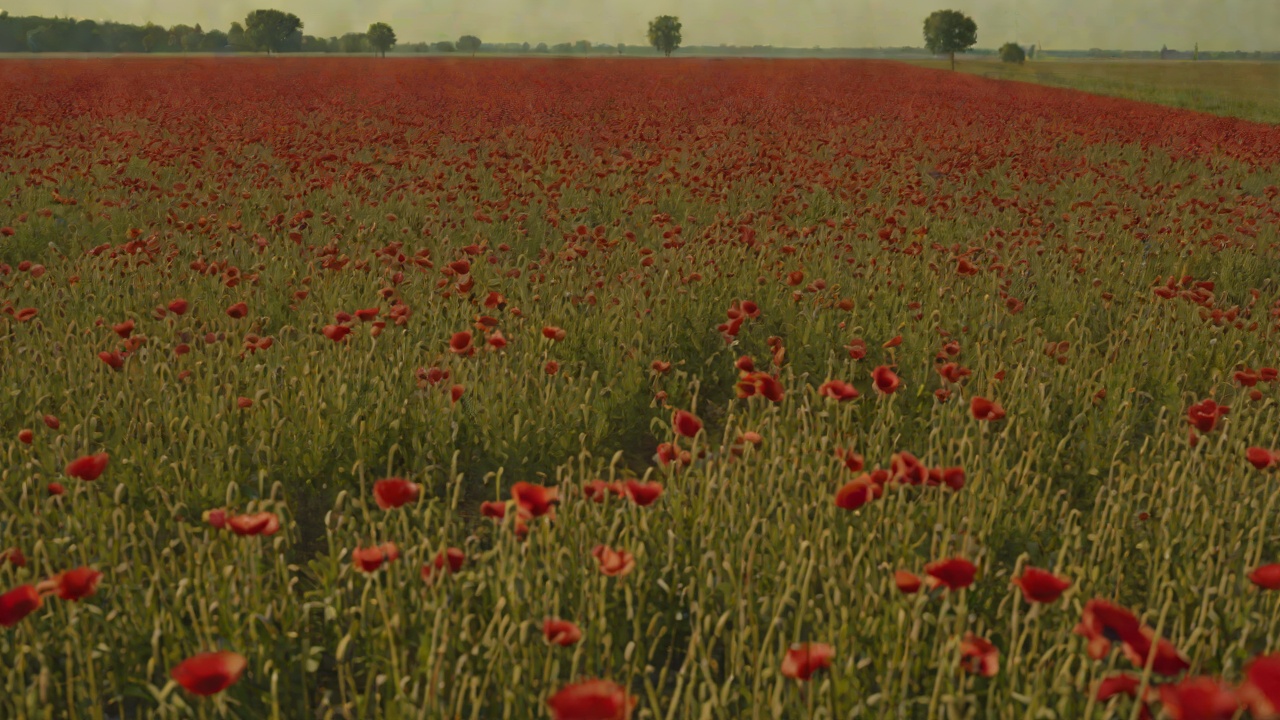
Fields of Poppies
Lale Sokolov peers through the slats of the cattle train and sees fields of poppies dancing in the breeze. The scarlet mass is so powerful he vows that the next flowers he gives someone he will pick himself.
A Mother's Lesson
Serena Eisenberg taught him that women love flowers. The poppies become a symbol of beauty outside the wagon's prison.
The List of Futures
Lale starts a mental list of things to do when he gets home. The poppies are the first entry, a gesture toward a life that has not yet been destroyed.
Chocolate Kiss
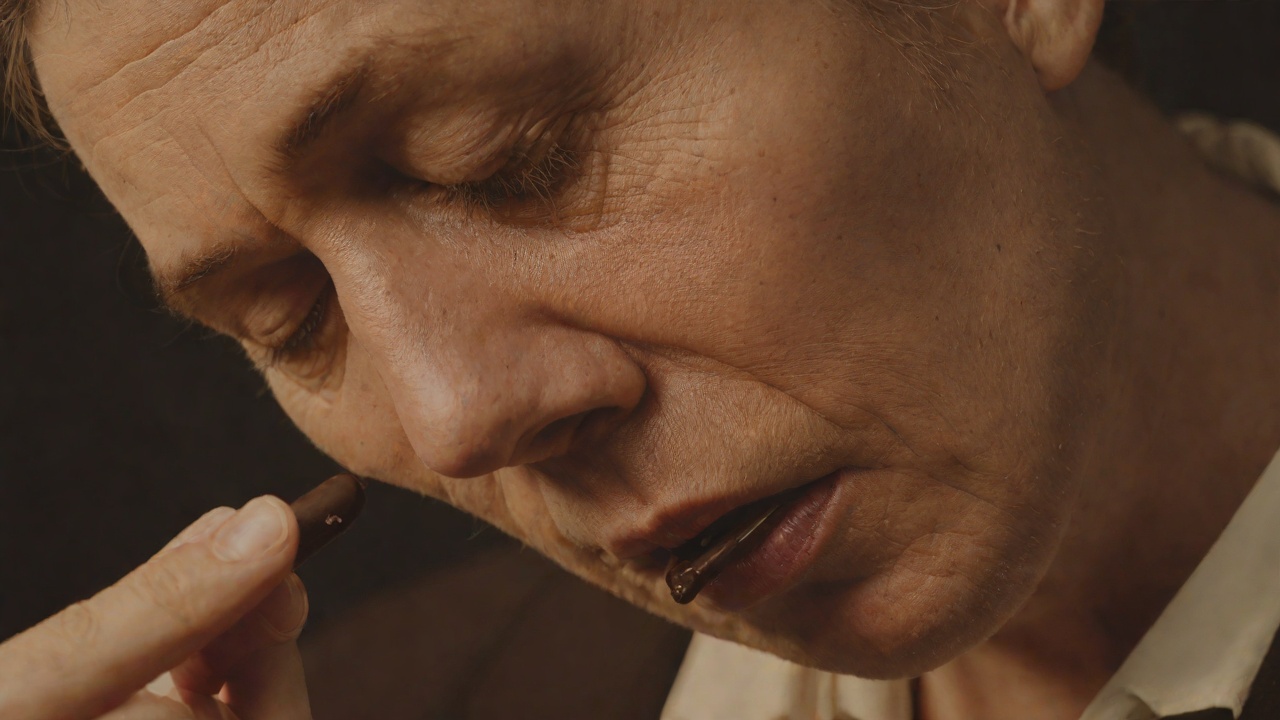
Chocolate Kiss
Lale Sokolov feeds Gita Furman a piece of chocolate, rubbing it across her lips and kissing it away. She asks why chocolate tastes better when it is fed to you.
The Luxury of Tenderness
Chocolate is almost impossible to obtain in Birkenau, but Lale has made it possible through bribes and barter. The sweetness is not just sugar; it is proof that pleasure can exist.
A Kiss in the Ruins
The kiss seals the moment as one of the few pure acts of happiness in the camp. It becomes a memory that both will hold onto through the worst years.
Four-Leaf Clover
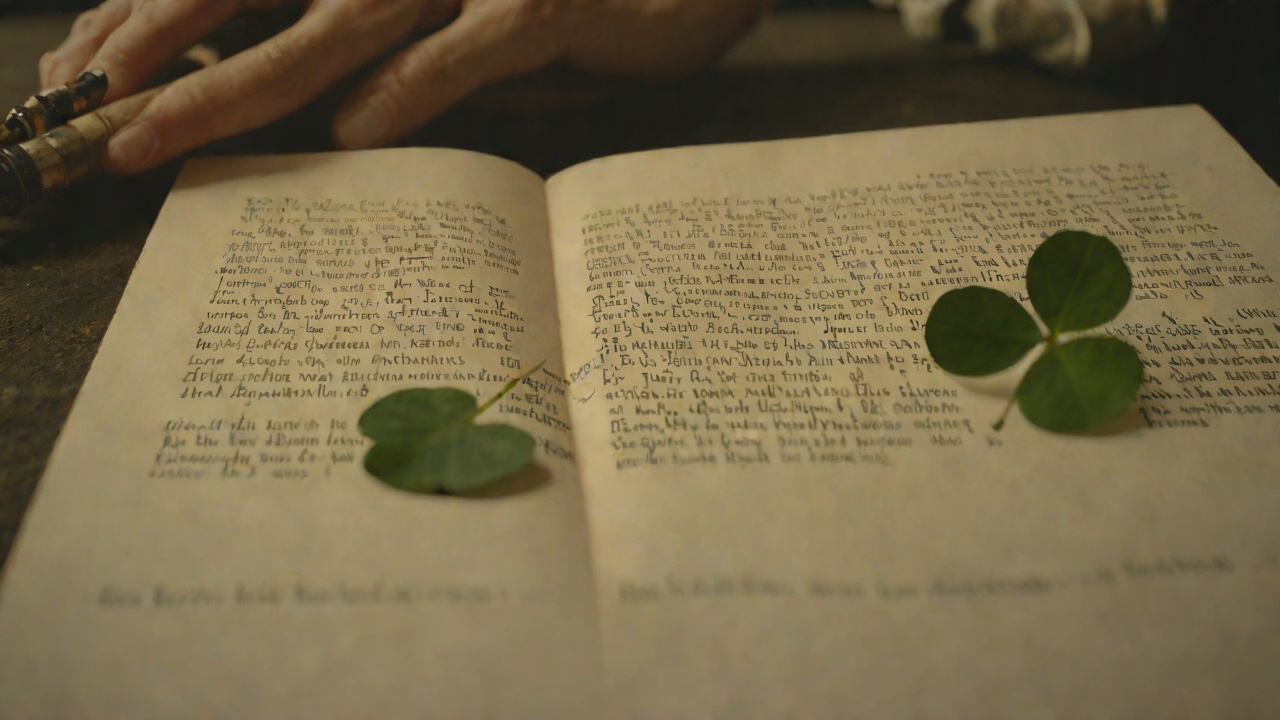
Four-Leaf Clover
Gita Furman hunts for four-leaf clovers behind the administration building and shows Lale Sokolov how the SS are superstitious about them. A clover can mean extra rations or a moment of mercy.
The Currency of Luck
In a world of brutal randomness, a small leaf becomes a way to manipulate luck. Gita collects them for survival, not for magic.
Playful Enough to Laugh
Lale and Gita lie in the grass, blowing clover and letting it fall. For a few minutes they are two young people in love, not prisoners.
The Starry Sky
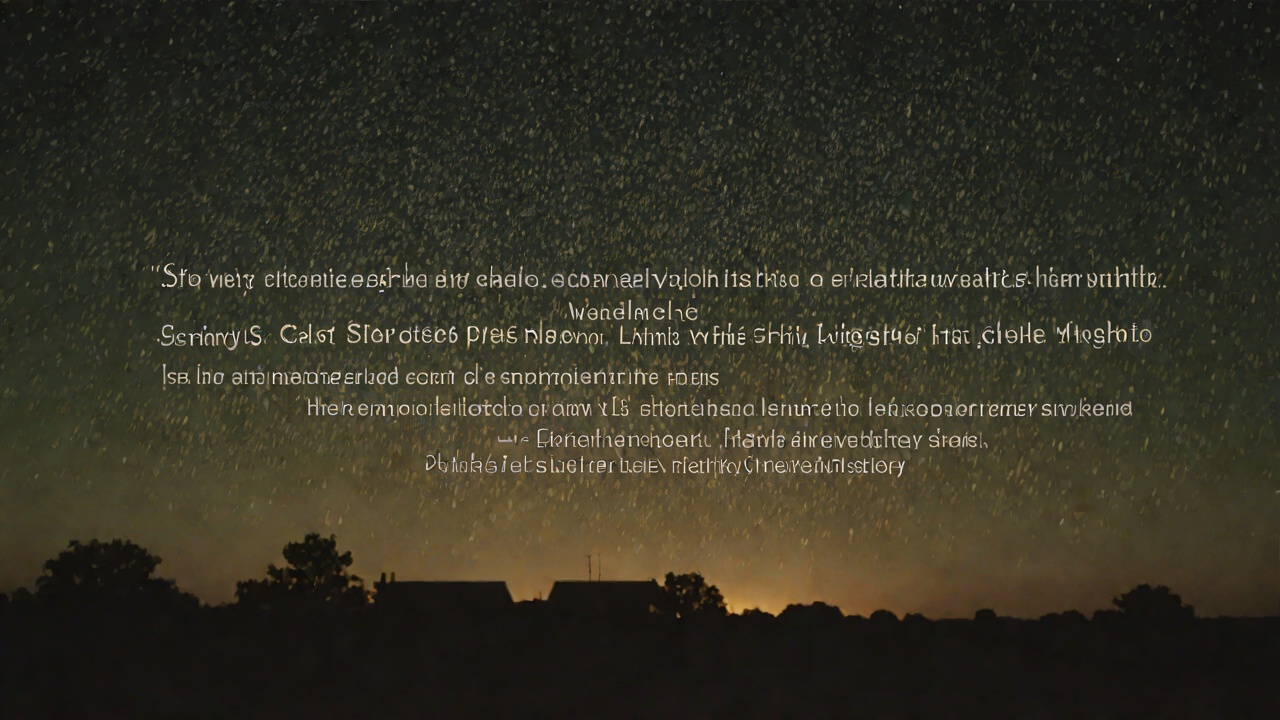
The Starry Sky
After the American plane passes and the SS open fire, Lale Sokolov sits outside looking at the stars. He remembers warm summer nights in another life and wonders if his family is looking at the same stars.
The Chasm of the Sky
The stars no longer comfort him; they remind him of what life can be. The beauty of the sky is terrible when seen from inside a death camp.
A Thread of Connection
Lale imagines his family under the same roof of stars, hoping they can find more comfort than he can. The thought keeps him from being completely alone.
Morning Slogan
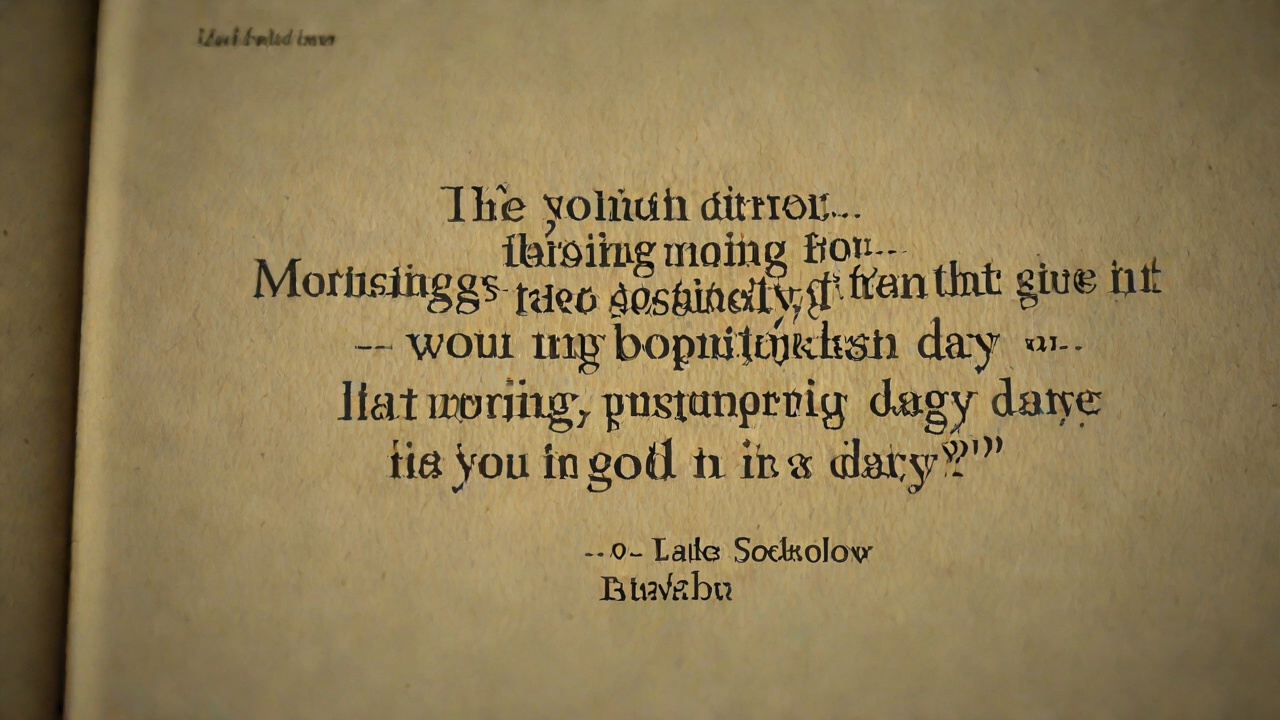
Morning Slogan
Lale Sokolov lives by the motto: 'If you wake up in the morning, it is a good day.' The words carry all the camp's lessons into his postwar life.
A Household of Light
Gary Sokolov remembers a home always full of love, food, and laughter. The morning slogan is not just a phrase; it is a way of refusing despair.
The Revenge of Joy
Every ordinary morning in Melbourne is a victory over Auschwitz. Lale and Gita Sokolov turn survival into a daily practice of happiness.
April 1942, on the cattle train
spring 1943, behind the administration building
spring 1943, after the soccer match
April 4, 1944, at night after the shooting
postwar life, often quoted by Lale Sokolov
