
Survival as Resistance and Collaboration
The Tattooist of AuschwitzThis thematic thread explores the moral ambiguity of survival, where every act of cooperation with the SS is also a form of defiance.
increasing Bearing strength in each event
 decreasing
Bearing strength in each eventdecreasingDeal with the Kapo
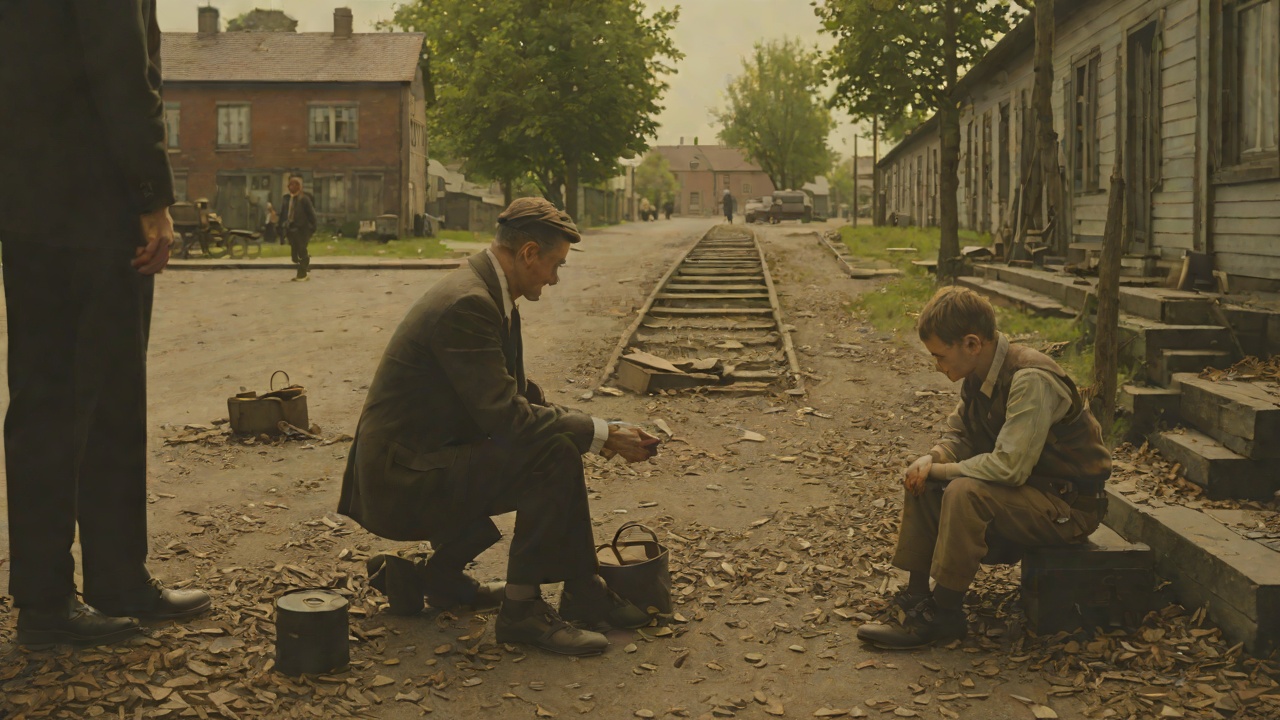
Deal with the Kapo
Lale Sokolov silently accepts the kapo's request to be his personal boy, bringing food and cleaning boots. He wonders if he is making a deal with the devil.
The First Compromise
Survival requires cooperation with the camp's power structure. Lale learns that every privilege comes at a moral cost.
The Scar of the Deal
The kapo promises an easier life; Lale gives him obedience. It is the first step on the path that will lead him to the tattooist's needle.
Pepan's Challenge
Pepan's Challenge
Pepan tells Lale Sokolov that whether he works for the kapo or as a tattooist, he is still a Nazi puppet. The accusation stings because it is true.
The Necessity of Survival
Pepan argues that someone with less soul would do the work more cruelly. Lale agrees, knowing that he is choosing the lesser evil.
The Burden of Choice
Lale will carry this guilt for the rest of his life. The line between collaborator and protector is blurred beyond resolution.
The Whisper of Collaborator
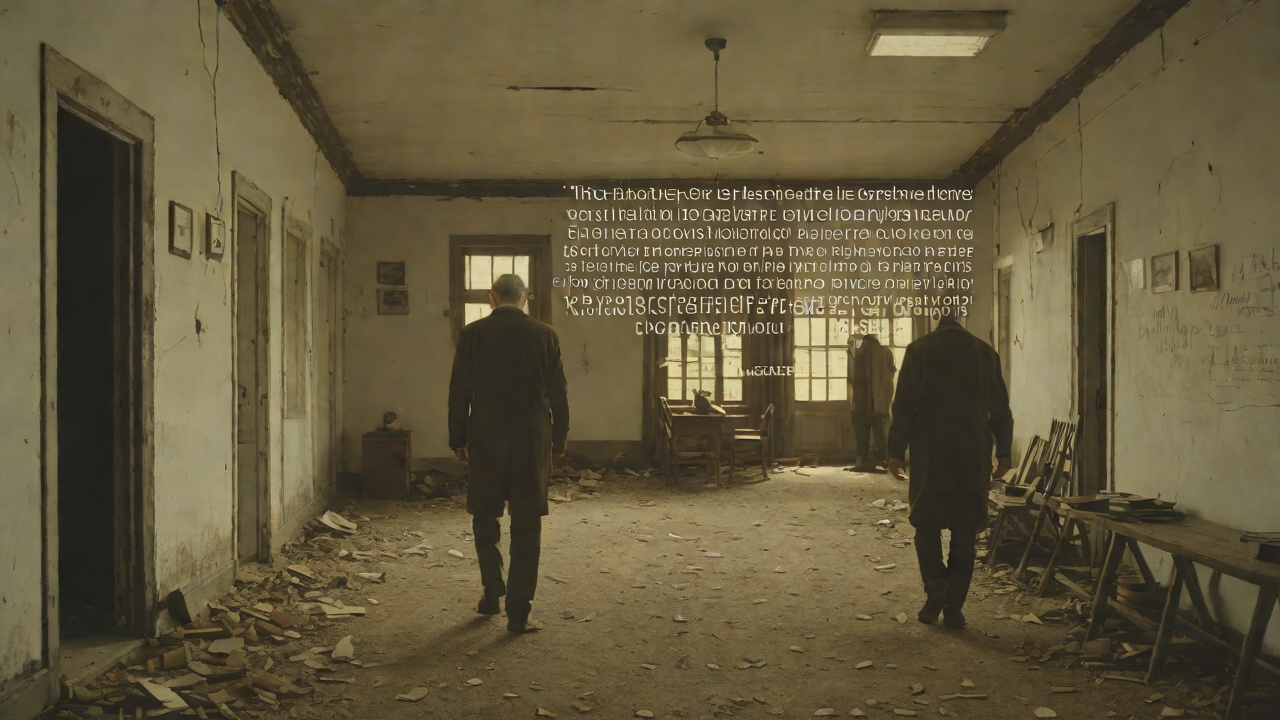
The Whisper of Collaborator
As Lale Sokolov walks from his old block to his new room, he hears someone mutter the word 'collaborator.' The accusation is spoken softly but lands with great force.
The Privileged Prisoner
Lale knows he has been given bread, a room, and a bag that protects him from the SS. Other prisoners see the privilege and judge it.
Living with the Word
Lale spends the rest of the war torn between gratitude for his survival and shame at the price. He cannot argue with the label because he himself fears it is true.
Heroism Discussion
Heroism Discussion
Gita Furman tells Lale Sokolov about Cilka and says Cilka is not a hero; she just wants to live. Lale disagrees, arguing that choosing to live is an act of resistance.
The Defiance of Breathing
Lale extends the idea to Gita and himself: survival in the face of genocide is a form of heroism. The refusal to die feeds the future.
A Doubtful Hero
Lale still worries he will be judged a perpetrator or collaborator. Gita kisses him and says, 'You are a hero to me.' The judgment remains unresolved.
Strafkompanie Scars
Strafkompanie Scars
Lale Sokolov is sent to Block 31, the penal unit, where survivors of Block 11 are put to hard labor. He is beaten, starved, and forced to carry rocks.
The Price of Privilege
In the penal unit, Lale is just another prisoner. His bag and his title cannot protect him from the roll call or the shootings.
The Body as Evidence
Lale's scars from the beating become a permanent sign that he did not give up the names. In the moral calculus of the camp, pain is proof of resistance.
The Author's Note on Guilt
The Author's Note on Guilt
In the author's note, the writer describes how Lale Sokolov shed the burden of guilt he had carried for more than fifty years. The fear was that he and Gita Furman might be seen as Nazi collaborators.
A Story Told to Erase the Label
Lale chooses to tell his story because he wants the world to understand the impossible choices the camps forced on the living.
The Final Judgment
Heather Morris tells the story not as a lesson in history but as a lesson in humanity. Lale's life, with all its compromises, becomes an argument that survival itself deserves no apology.
May 1942, when Lale becomes the kapo's boy
July 1942, during the tattooist's job offer
summer 1942, after Lale moves into his private room
1944, when Lale and Gita talk about Cilka
July 1944, during Lale's time in the penal unit
2003–2008, during Heather Morris's interviews with Lale
