Block 11
The Tattooist of AuschwitzBlock 11 stands apart from the rest of Auschwitz as the camp's internal apparatus of terror, a punishment block whose very name carried a weight of dread among the prisoners. Its reputation, along with that of its neighbor Block 10, was well known throughout the camp: these were the secluded torture houses, and behind them stood the Black Wall, the execution wall. For Lale Sokolov, the camp's Tätowierer, Block 11 becomes the site of his most harrowing ordeal, a place where he is stripped of his privileged position and forced to confront the real possibility of his own death.
The Punishment Blocks and the Black Wall
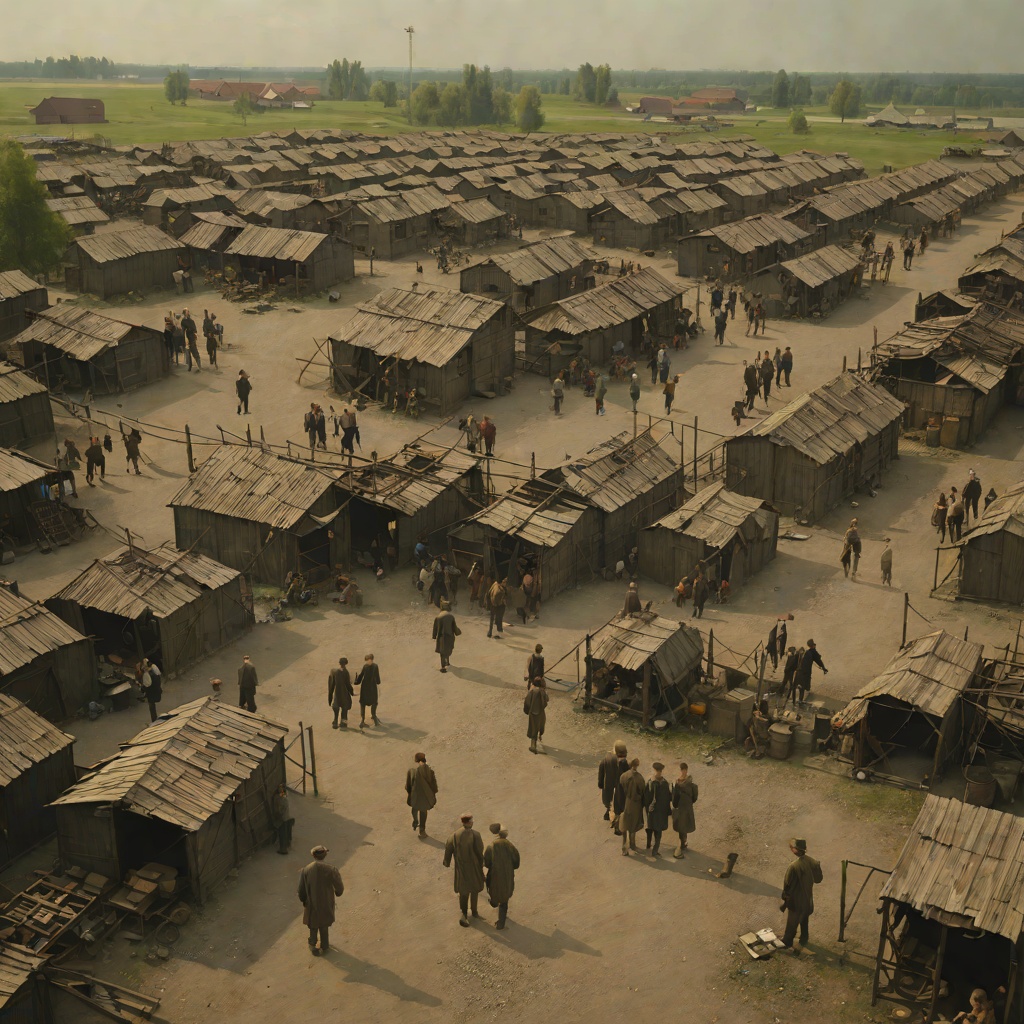
The geography of punishment at Auschwitz was deliberate and brutal. Blocks 10 and 11 were set apart from the regular barracks, their function clearly understood by every prisoner who knew the camp's layout. Behind these buildings stood the Black Wall, the execution wall, where prisoners were shot. The proximity of the torture chambers to the execution site was no accident; the architecture itself was designed to terrorize, making clear to any prisoner sent there that torture was merely a prelude to death. When Lale is marched to Block 11, he expects that he will be taken to the Black Wall after being tortured, a grim expectation that shapes his entire experience of the place.
Lale's Arrest and Imprisonment
Lale's arrival at Block 11 comes as a direct consequence of his work as the Tätowierer. When Oberscharführer Houstek interrogates him about the prisoners he has tattooed, demanding their names, Lale refuses to give them, insisting that he does not ask their names when they come to him. This defiance enrages Houstek, who slams his fist on the desk, causing the gems to jangle, and declares that he will have to find someone else to do the job. He orders the escorting officers to take Lale to Block 11, promising that he will soon remember the names there.
The journey to the punishment block is itself an ordeal. Lale is marched out and placed in a truck, with two SS officers sitting on either side of him, each ramming a pistol into his ribs. During the two-and-a-half-mile drive, Lale silently says goodbye to Gita and the future they were just imagining. He mentally recites the names of each of his family members, finding that he cannot picture his siblings as clearly as he used to. His mother he can see perfectly, and the thought of saying goodbye to her, the person who gave him breath and taught him how to live, is unbearable. He gasps as his father's image comes before him, causing one of the officers to push his pistol harder into his ribs. The last time he saw his father, he was crying, and he does not want this to be how he remembers him, so he searches for another image and comes up with his father working with his beloved horses, speaking warmly to them in contrast to the way he expressed himself to his children. He thinks of his brother, Max, older and wiser, and tells him he hopes he hasn't let him down, that he has tried to act as Max would have in his place. When he thinks of his little sister, Goldie, the pain is too much.
The Cell and the Torture
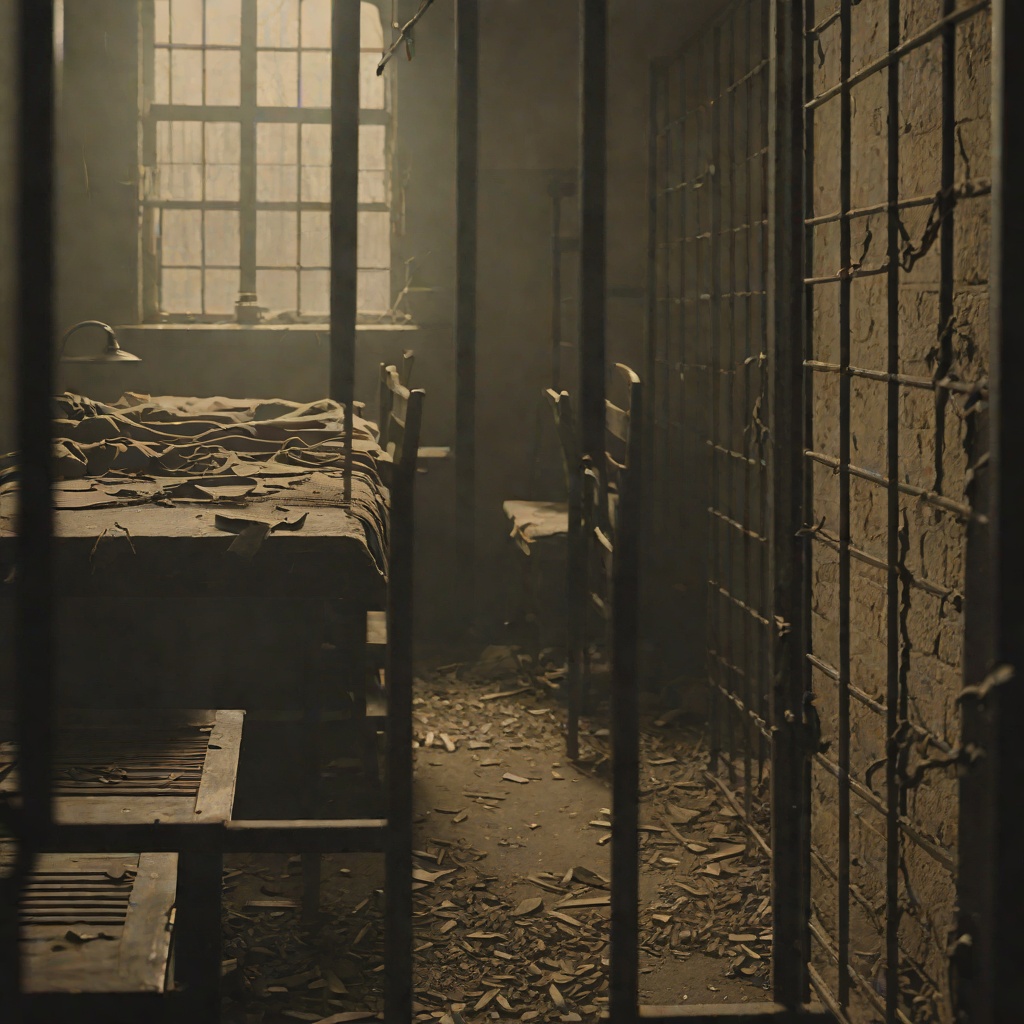
Once at Block 11, Lale is placed in a small room. For two days he sits in the cell, the only light coming in through a crack under the door. While he listens to the cries and screams of others, he relives every moment he has spent with Gita. The darkness and the sounds of suffering from elsewhere in the block compound his mental anguish, leaving him alone with his memories and his fear.
On the third day, the torture begins. Jakub comes for him, dragging him down a corridor to a small, windowless room. A single light bulb hangs from the ceiling, handcuffs dangle from a chain on the back wall, and a birch rod lies on the floor. Two SS officers talk together, seemingly oblivious to Lale's presence. Without warning, Jakub swings a punch into Lale's face, sending him stumbling back against the wall. The officers now pay attention. Lale attempts to stand, and Jakub winds his right foot slowly back. Lale anticipates the coming kick, backing away just as Jakub's foot connects with his ribs, then exaggerates the impact by rolling and heaving and clutching his chest. As he slowly rises, Jakub punches him in the face again, and this time Lale takes the full force, though Jakub had telegraphed his intention to hit him. Blood runs freely from his smashed nose.
Jakub pulls Lale roughly to his feet and handcuffs him to the dangling chain. He picks up the birch, tears the shirt from Lale's back, and lashes him five times. Then he pulls Lale's trousers and underpants down and whips him across the buttocks five more times. This time, Lale's yelps are not feigned. The beating is real, and the pain is unmistakable.
The Walk to the Black Wall
The next day, the door opens and Lale looks up to greet Jakub, but instead there are two SS officers. They indicate that Lale should get to his feet and come with them. Lale stays sitting as he tries to compose himself, wondering if this can be the end, if he is for the Black Wall. He silently says his goodbyes to his family and, last, to Gita. The SS become impatient, step into his room, and point their rifles at him. He follows them outside on trembling legs, feeling the sun on his face for the first time in more than a week. Looking up, preparing to meet his fate, he sees several other prisoners being bundled into a nearby truck. Maybe this isn't the end. His legs give out, and the officers drag him the remaining short distance. They throw him on and he doesn't look back, clinging to the side of the truck all the way to Birkenau.
The truck ride back to Birkenau marks the end of Lale's time in Block 11, but not the end of its hold on him. He is helped from the truck and dragged back into Houstek's office, where the two SS officers each hold one of his arms. The ordeal in the punishment block has tested him to his limits, but it has also revealed the depth of his commitment to Gita and to his own principles. Block 11, with its torture chambers and its execution wall, stands as the ultimate test of whether Lale's defiance could survive the camp's most brutal machinery of terror.