Gary Sokolov
The Tattooist of AuschwitzGary Sokolov is the only child of Lale Sokolov and Gita Furman, born in Melbourne in 1961 after his parents had endured the Holocaust, displacement, political persecution, and years of uncertainty before building a new life in Australia. His importance extends beyond biography: as the son who grew up inside their devoted marriage and inherited their memories, he becomes a living bridge between the parents’ wartime survival and the later effort to record what they experienced.
Identity and Family Background
Gary was born when Gita was thirty-six and Lale was forty-four. His arrival followed a long period in which the couple desperately wanted a child but had eventually given up hope that one would come. The pregnancy therefore brought them exceptional surprise and delight. By then they had settled in Melbourne, where Lale had returned to the textile trade, buying a small warehouse and sourcing fabrics locally and abroad, while Gita studied dress design and began creating women’s clothing for the business. Gary entered a household that was commercially successful, socially active, and sustained by a love that the hardships of war had not broken.
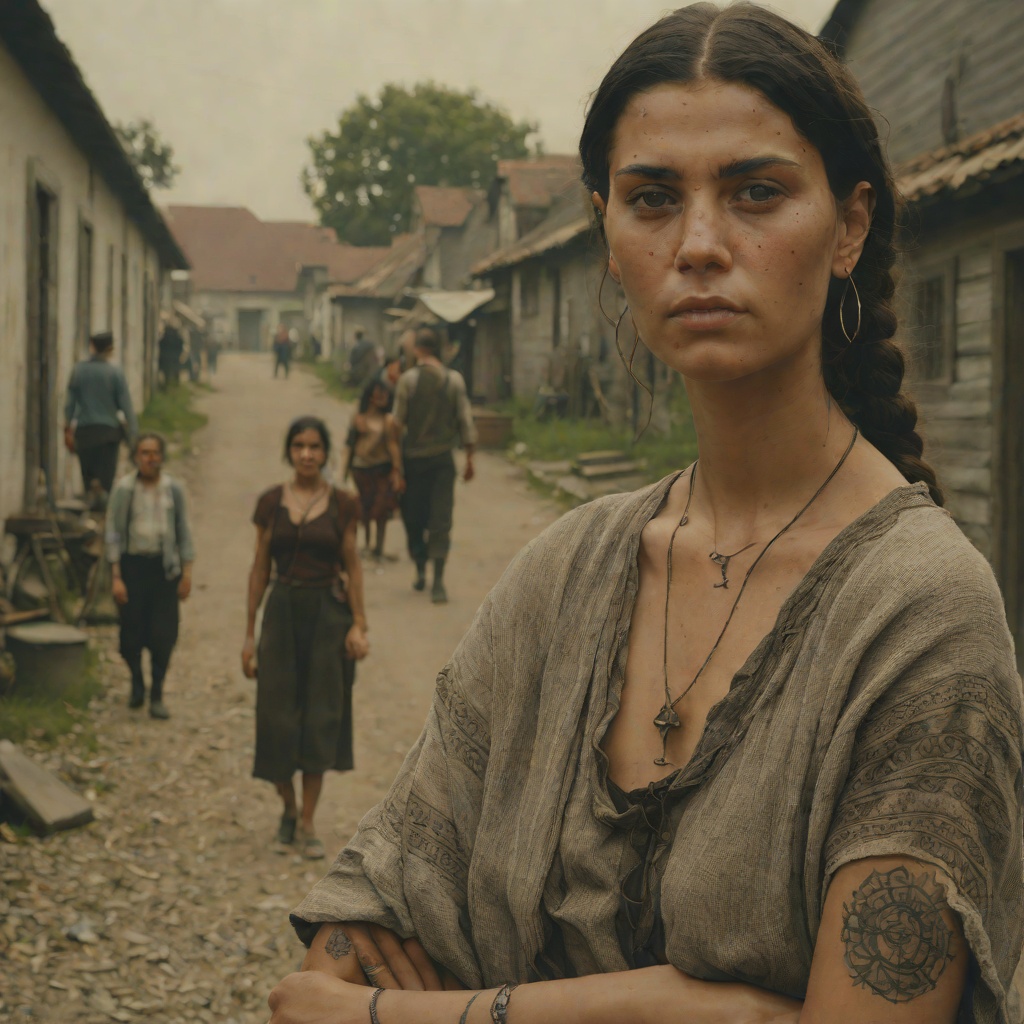
The family’s material life carried visible traces of an earlier world. A painting of a Romany woman that Gita had brought from Slovakia remained in Gary’s house, preserving an object from the couple’s European past within the Australian home where their son grew up. The parents’ history was not presented to Gary only as distant tragedy; it was embedded in food, possessions, habits, and the emotional atmosphere of everyday family life.
Childhood in a Survivor Household
Gary remembers his home as exceptionally loving and open. His parents supported the many hobbies and activities he tried, including skiing, travel, horse riding, and parasailing, because they believed their own youth had been stolen and did not want him to lose opportunities in the same way. Their devotion to each other was equally central to his childhood. After observing friends’ marriages collapse, Gary asked Gita how she and Lale had remained together for so many years. Her answer emphasized Lale’s lifelong care for her from the day they first met in Birkenau and her certainty that he would always put her first.
Food became one of the clearest domestic expressions of Gita’s care. She took pride in a refrigerator filled with chicken schnitzels, cold cuts, cakes, and fruit, and was devastated when Gary, at eleven, began a major diet and returned two of his customary three schnitzels to the serving tray. A friend who visited and went directly to the refrigerator helped restore her pleasure. Such memories place abundance against the deprivation of the camps without reducing Gita’s postwar life to compensation alone: feeding her family was also a form of welcome, affection, and control over a world that had once denied her enough to eat.
Inheriting and Confronting the Past
Both parents were determined that Gary should understand what they had survived, although they handled disclosure differently. When the television series The World at War began, they made him watch the episodes about the camps alone because they could not bear to watch the footage with him. Gary searched the images for his parents, hoping to recognize them among the prisoners. The scenes remained fixed in his mind, demonstrating how historical images entered his personal memory even when his parents could not narrate their experiences directly.
Lale was willing to discuss his camp experiences during Jewish festivals, when he and other men sat around a table and talked. Gita generally withheld the details, speaking only once about the period when she had been gravely ill and had experienced a vision of her mother promising that she would recover, move to a faraway land, and have a son. Through these contrasting modes of remembrance, Gary encountered both the spoken history of survival and the silences, visions, and guarded boundaries through which traumatic experience was also transmitted.
Gary also witnessed how survival shaped his parents’ responses to later catastrophe. When Lale’s business was forced to close and Gary, at sixteen, came home to find their car being towed away, an auction sign outside the house, and Gita packing their belongings, he was astonished that she was singing. She explained that after years of not knowing whether death might come within five minutes, very little else could not be faced; while they remained alive and healthy, she believed everything would work out. The lesson was not an abstract optimism but a perspective formed by the immediacy of camp mortality.
Memory, Testimony, and Legacy
Gary’s role becomes especially important after Gita’s death. The loss prompted Lale to tell his story because he wanted it recorded so that the Holocaust would never happen again. The account was then developed through repeated meetings between Lale and the writer, with Gary’s permission and support. The writer explicitly expressed gratitude to Gary for allowing access to his father’s life and for supporting the telling of his parents’ story without wavering in confidence that the project would be completed.
Gary’s contribution is therefore both familial and ethical. He is not simply a descendant who supplies background information; he authorizes the passage of private memory into public narrative. The process also preserves the complexity of Lale’s self-understanding. Lale feared that his work as the camp tattooist, and the choices he made to survive, might cause him and Gita to be judged as Nazi collaborators. Years of conversation allowed him to examine that burden, while the finished narrative placed his actions within the coercive world that had stripped prisoners of freedom, dignity, names, and identities.
The writer describes Lale’s memories as generally precise and consistent with research into people, dates, and places, while also recognizing the difficulty of separating lived memory from historical reconstruction. Gary stands at the point where those layers meet. He inherits the intimate version of his parents’ lives—the meals, affection, arguments with disaster, and remembered silences—and helps make available the larger testimony through which their private survival becomes part of the historical record. His significance lies in that continuity: the child born after his parents’ most devastating losses becomes one of the people who ensures that their lives are remembered not only as evidence of atrocity, but also as a family shaped by love, resilience, and the deliberate choice to continue.