Goldie Sokolov
The Tattooist of AuschwitzGoldie Sokolov, born Goldie Eisenberg, is Lale Sokolov's younger sister. She is the only member of Lale's immediate family who survives the Holocaust, and her survival carries profound consequences for the entire Sokolov lineage: it is her married Russian surname that Lale adopts after the war, transforming Eisenberg into Sokolov. Her final words to Lale before he departs to find Gita—"Don't come back without Gita"—become the moral imperative that propels his postwar quest. In the narrative, Goldie functions as both the anchor of Lale's lost family and the bridge to his future, embodying the possibility of survival and love that the camps sought to destroy.
Identity and Family Background
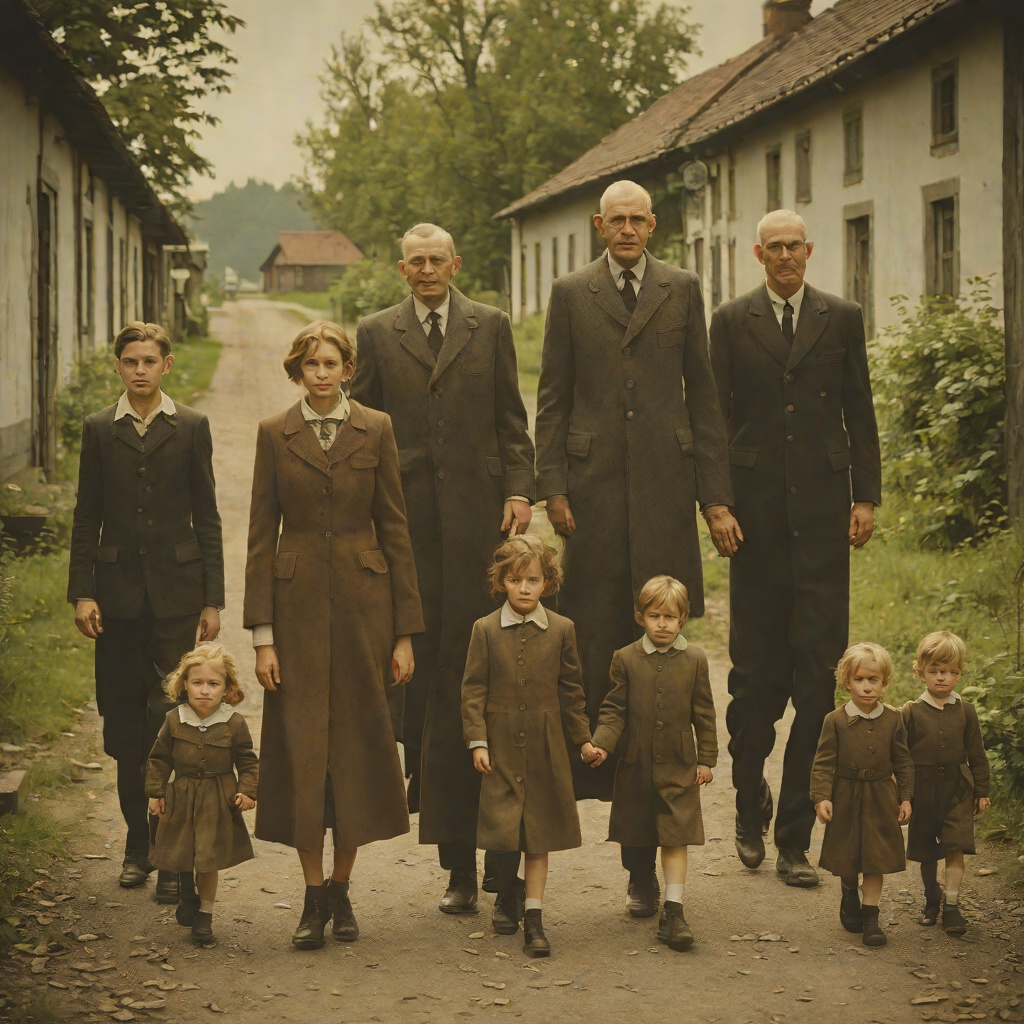
Goldie is introduced into the narrative through Lale's memories during his transport to the camps. As Lale is being driven to Block 11 after his arrest, he mentally says goodbye to each family member, and when he thinks of his little sister, Goldie, the pain is too much to bear. This early reference establishes Goldie as the most emotionally vulnerable point in Lale's family constellation—the sibling whose imagined loss is almost unbearable. She is part of a family that includes Lale, their older brother Max, and their parents. The family's Jewish identity is central to their fate, as Lale reflects during his cattle-wagon journey that what all the men share is fear, youth, and their religion. Lale's decision to volunteer for transport was made specifically to protect this family, and he thinks of them back home, safe, with no regrets, insisting he would make the sacrifice again and again to keep his beloved family at home, together.
Survival and the War Years
The war devastates the Eisenberg family. When Lale finally returns home and reunites with Goldie, she delivers the bleak news: their parents were taken away only days after Lale left, and Goldie has no idea where they went or if they are still alive. Max went off to join the partisans and was killed fighting the Germans. Max's wife and their two small boys were also taken, again to an unknown destination. The only positive news Goldie can offer is her own survival: she fell in love with a Russian, and they married. Her name is now Sokolov. This marriage is the origin of the surname that will define Lale's postwar identity. Goldie's survival is thus presented as both a personal triumph and a devastating exception within a family otherwise consumed by the Holocaust.
The Reunion Scene
The reunion between Lale and Goldie is one of the most emotionally charged scenes in the narrative. When Lale learns from Mrs. Molnar that his sister is alive, he runs across the street and knocks loudly on the door. When Goldie opens the door and sees her brother, she faints. Mrs. Molnar follows Lale inside as he picks his sister up and lays her on a sofa. Cradling Goldie's head lovingly in his arms, Lale waits for her to open her eyes. When she comes to, he offers her water, which she sobs and spills most of. Mrs. Molnar lets herself out quietly as Lale rocks his sister, letting his own tears flow too. It is quite some time before he can speak and ask the questions he so desperately wants answers to. The scene is marked by physical tenderness and mutual grief, a rare moment of unguarded emotion in a narrative otherwise defined by Lale's composure. After the initial shock, Lale follows her into the kitchen, not wanting to let her out of his sight, as she prepares a meal for them. After they have eaten, they talk late into the night. As much as Goldie pushes Lale for information about where he has been for the past three years, he will only say he has been in a work camp in Poland and that he is now home. This reticence protects Goldie from the horrors he witnessed while also marking the unbridgeable distance between their wartime experiences.
The Parting Command
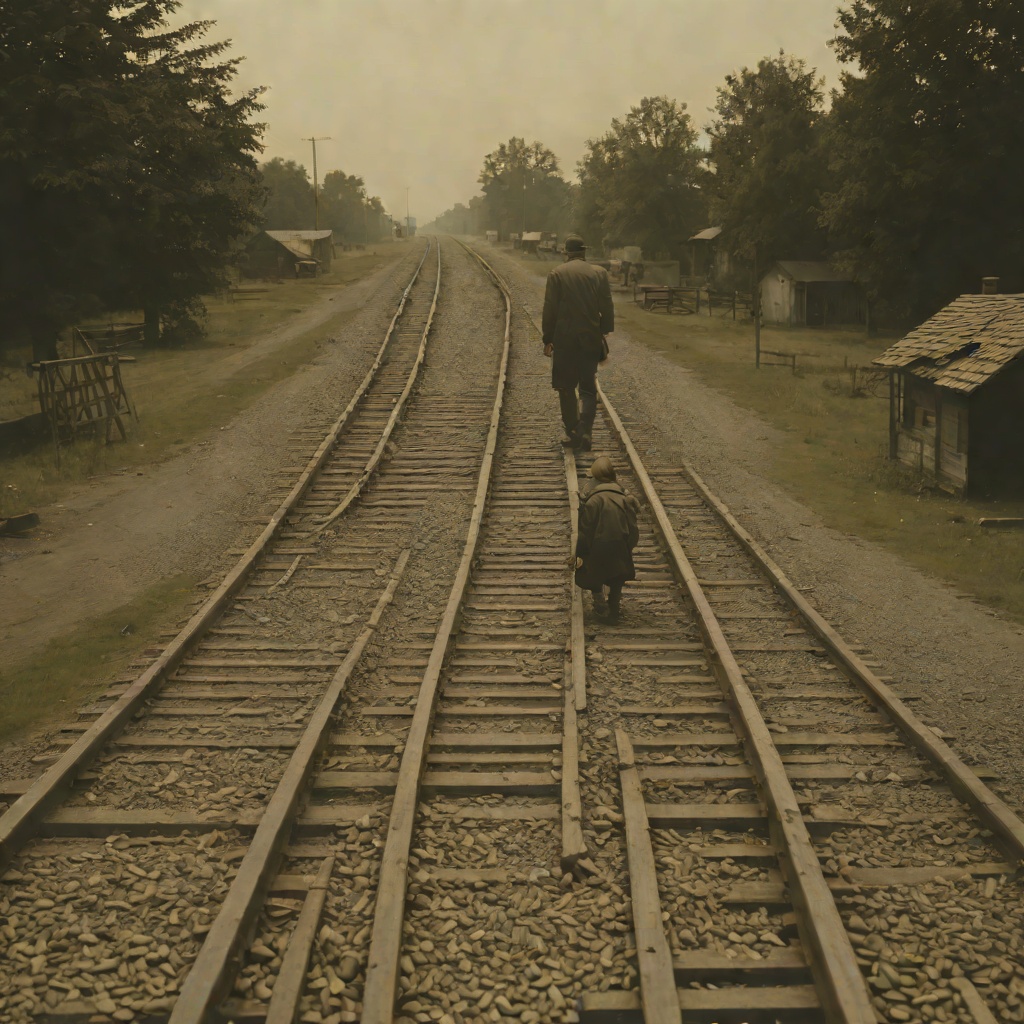
Goldie's role in Lale's postwar journey culminates in her parting words. When Lale prepares to leave home to search for Gita, Goldie and Mrs. Molnar set about making meals for him to take on his journey. Lale hates saying goodbye to them both so soon after arriving home, but they won't hear of him staying. As Lale climbs into the back of the cart and is nearly thrown out by the horse taking off, Goldie's last words are: "Don't come back without Gita." Lale looks back at the two women standing outside his family home, each with an arm around the other, smiling, waving. This image of the two women—Goldie and Mrs. Molnar—standing together outside the family home becomes a symbol of the home and family that Lale has lost and is fighting to rebuild. Goldie's command transforms her from a passive survivor into an active agent in Lale's quest, setting the condition for his return and thereby linking her own survival to the reunion of Lale and Gita.
The Legacy of the Sokolov Name
Goldie's most enduring contribution to the narrative is the surname itself. Lale changed his name to Sokolov, the Russian last name of his married sister—a name more readily accepted than Eisenberg in Soviet-controlled Slovakia. This name change is both practical and symbolic: it allows Lale to navigate the postwar political landscape while also binding his identity to his sister's survival. The adoption of Goldie's married name means that the family line that the Nazis sought to extinguish continues under a new designation, one that Goldie herself created through her marriage to a Russian. In this sense, Goldie's survival and marriage are the conditions of possibility for the entire Sokolov legacy, including Lale and Gita's marriage in October 1945 and the family they subsequently build. The name Sokolov, which Lale carries for the rest of his life, is thus a permanent memorial to his sister's survival and the love that made it possible.
Narrative Role and Thematic Significance
Goldie's narrative role extends beyond her appearances in the text. She represents the possibility of survival and new life within a family otherwise destroyed by the Holocaust. Her marriage to a Russian and her survival in Slovakia offer a counterpoint to the death and destruction that define the camp experience. Thematically, Goldie embodies the tension between loss and continuity that runs throughout the narrative: she is the sister whose imagined loss is too painful for Lale to contemplate, yet she is also the one who survives, marries, and provides the name that carries the family forward. Her command to Lale—"Don't come back without Gita"—links her survival to the central love story of the book, making her an essential figure in the narrative's resolution. In the broader context of the story, Goldie's survival and her role in Lale's postwar life demonstrate that even within a family devastated by genocide, love and continuity can persist. Her presence in the narrative, though brief, is decisive: without Goldie, there would be no Sokolov name, no imperative to find Gita, and no family legacy to carry forward into the postwar world.