Gypsy camp
The Tattooist of AuschwitzThe Gypsy camp, known in German as the Zigeunerlager, is a segregated section of Auschwitz-Birkenau set apart from the main prisoner blocks. It is here that Lale Sokolov, after being appointed the camp's Tätowierer, is given a single room immediately inside the door of one of the new blocks, a space usually reserved for a kapo even though he is kapo to no one. The room is small and isolated, and Lale immediately misses his friends in Block 7. His new position grants him extra rations and meals near the administration building, privileges that set him apart from the majority of prisoners, but it also places him in a world he has never known: a community of Romany people whose culture, language, and way of life are entirely foreign to him.
A Community Adopted
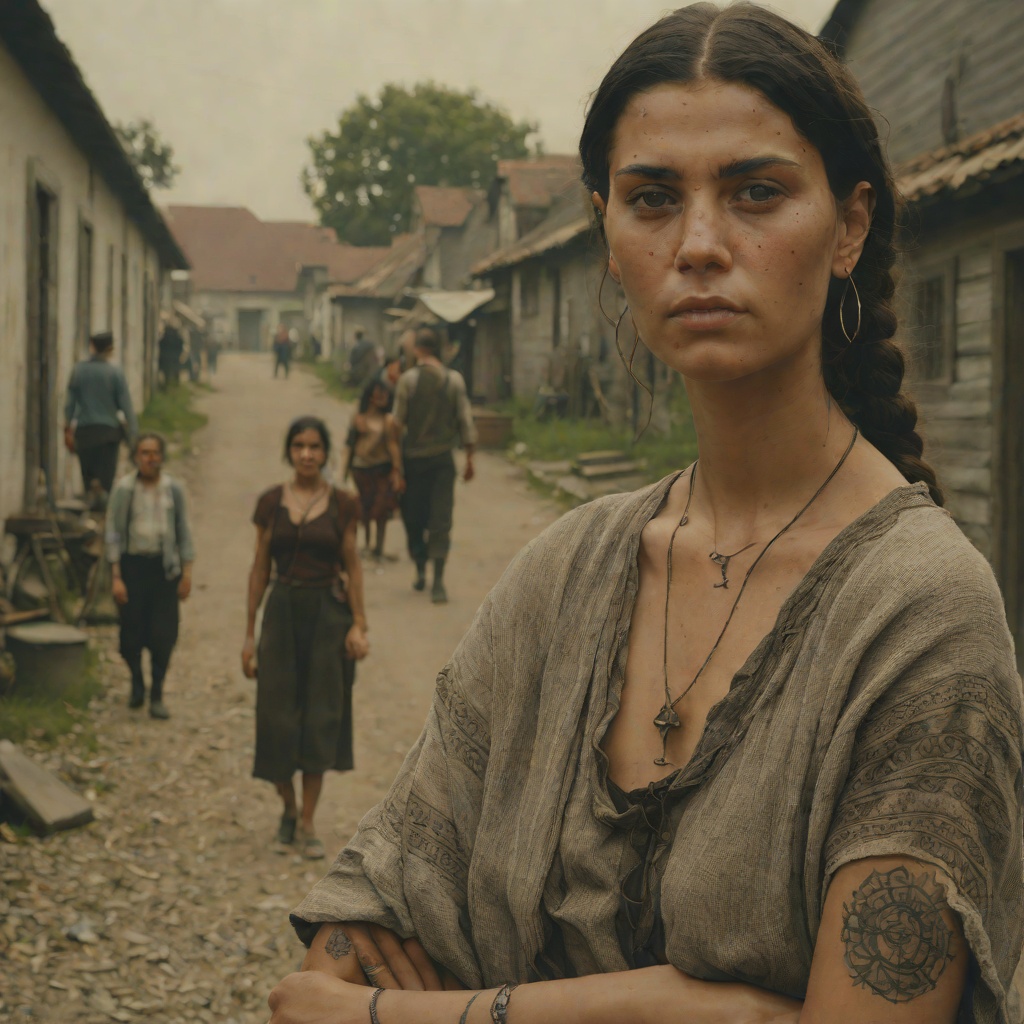
Within days of moving into the Gypsy camp, Lale is made an honorary Romany. He learns that the word "Gypsy" is often used derogatorily by non-Romany people, and he adopts the more respectful term. The children of the camp quickly surround him, asking him to play or to dig food from his bag, knowing he has access to it because he has shared some with them. He explains that he will give what he can to the adults to portion out to those in greatest need. The adult men approach him daily, asking if he has any news of their fate, and he assures them he will pass on anything he hears. He suggests they accept their situation as best they can and recommends arranging some form of schooling for the children, even if it is merely telling them stories about their home, their family, and their culture. He is happy to see them pursue this suggestion and delighted that the older women are given the role of teachers. He notices in them a tiny spark that wasn't present before. On occasion he sits with them, listening and learning of a people and culture so different from his own, often asking questions that the women are pleased to answer, further educating the children who seem more interested when Lale has asked the question. Having spent all his life in one home with his family, the nomadic existence of the Romany intrigues him. His life of comfort and knowing his place in the world, his education and life experiences, seem mundane and predictable compared to the travels and struggles endured by the people he now finds himself living with.
A Precarious Privilege
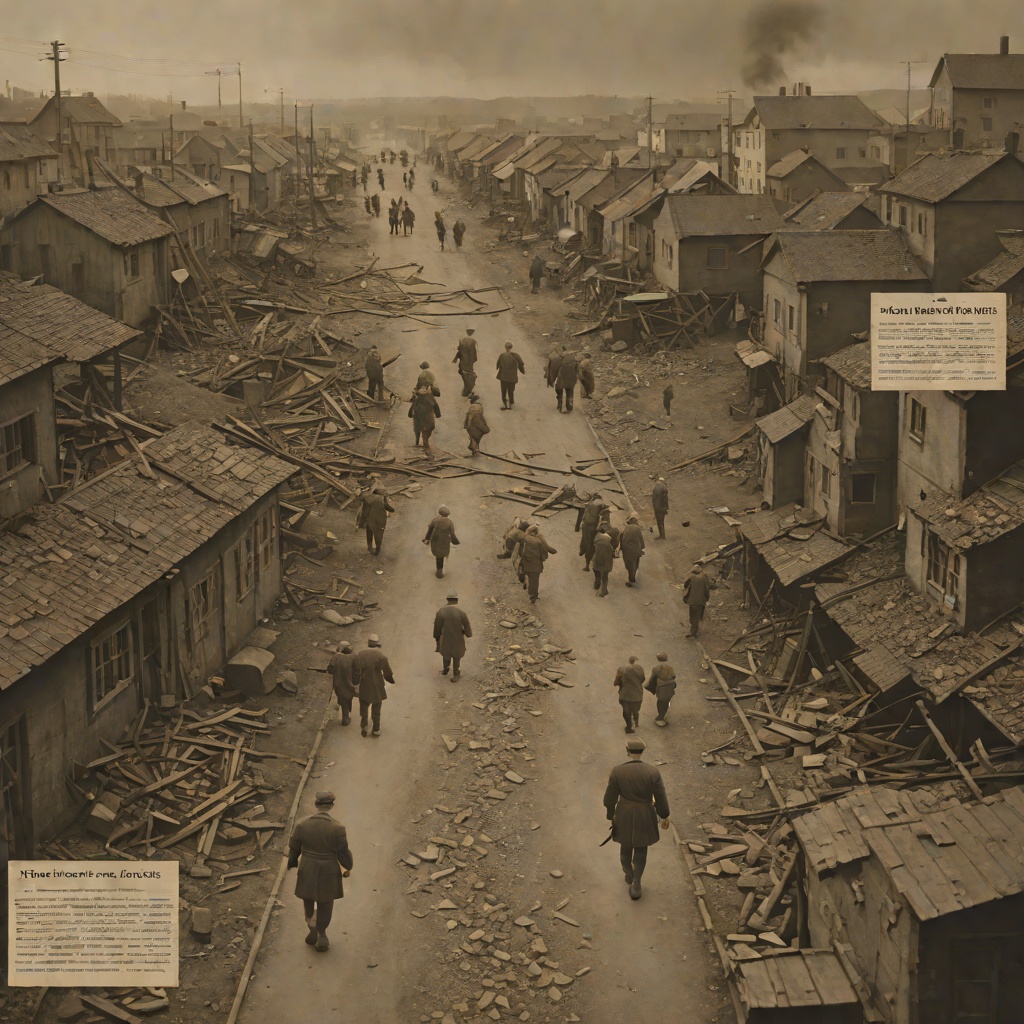
Lale's life in the Gypsy camp is one of relative comfort compared to the majority of prisoners. Working with Leon and only a handful of other prisoners alongside the SS, he is removed from the plight of the thousands of starving men who must work and fight and live and die together. Living among the Romany gives him a sense of security and belonging. He realizes he has settled into a pattern of life that is comfortable relative to the conditions of the majority. He works when he has to, spends whatever time he can steal with Gita, plays with the Romany children, and talks to their parents—mostly the younger men, but also the older women. He loves how they care for everyone, not only their biological family. He doesn't connect so well with the older men, who mostly sit around not engaging with the children, the young adults, or even the older women. When he looks at them, he often thinks about his own father. Yet this comfort is built on a fragile foundation. The camp is still under construction, and three crematoria now play their part in the planned extinction of an entire people. Lale has always assumed that sooner or later the empty bunk beds behind him would be filled, and when children begin running around outside playing tag, he knows life is never going to be the same. Several of the older children run up to him and ask questions he fails to understand, until they discover they can communicate in a bastardized form of Hungarian, albeit not always accurately. He shows his room to those now sharing his block, telling them in his sternest voice that they are never, ever to enter. He knows they understand this, but will they respect it? Only time will tell. He considers his limited understanding of Gypsy culture and wonders if he needs to make alternative storage arrangements for what is under his mattress. That night he has trouble sleeping as he adjusts to the sounds of babies crying and children begging their parents for food.
The Liquidation
Late one night, Lale is woken by yelling SS, barking dogs, and screaming women and children. He opens his door and looks out to see the men, women, and children in his block being forced from the building. He watches until the last woman, clutching an infant, is shoved brutally out into the night. He follows them all outside and stands, stunned, as all around him the other Romany blocks are also emptied. Thousands of people are being herded onto nearby trucks. The compound is lit up, and dozens of SS and their dogs corral the mob, shooting at anyone who doesn't respond immediately to the instruction, "Get on the truck!" Lale stops a passing officer he recognizes and asks, "Where are you taking them?" The man responds, "You want to join them, Tätowierer?" and walks on. The next day, as ash falls all around him, Lale tells Leon, "They emptied the Gypsy camp last night." Leon hands Lale his tattoo stick before going back to work himself, in silence. Lale looks up, searching for the sun to shine down on him, but it is concealed by ash and smoke. That evening he returns to his block, which is now occupied by people that he and Leon marked earlier. He shuts himself away in his room. He doesn't want to make friends. Not tonight. Not ever. He wants only silence in his block.
Echoes of the Camp
The Gypsy camp leaves a lasting mark on Lale's consciousness, resurfacing long after he has left Birkenau. During his escape and journey back to Bratislava, he travels for three days and nights with a horse and cart, fording streams where bridges have been destroyed and giving rides to various people along the way. When he arrives in Bratislava and decides to meet every train in search of Gita, he sleeps in his cart in whatever spot of vacant land he can find, for as long as it takes for the horse to eat the grass or for them to be moved along. He is often reminded of his friends in the Romany camp and the stories they told him about their way of life. The memory of their nomadic existence, their care for one another, and their resilience in the face of annihilation becomes a touchstone for his own survival, a reminder of the people he could not save and the world he could not protect.