Saurer-Werke
The Tattooist of AuschwitzSaurer-Werke, a subcamp of Mauthausen located in Vienna, marks the final station of Lale Sokolov's captivity before his escape and reunion with Gita Furman. It is a place defined by inversion: a camp that does not officially take Jews, where the commandant is too old to care, and where the guards are indifferent rather than murderous. Yet for Lale it is not relief but a new kind of prison, one that strips away the fragile purpose he had built at Auschwitz and leaves him alone with the single thought that dominates his mind: how to get to Gita. The transfer is offered by a guard who is impressed by Lale's fluent German, and who has heard about Auschwitz and Birkenau but never been there. Lale, knowing that nothing can be gained by telling this German the true nature of the treatment of prisoners there, paints a picture removed from reality, describing what he did there and how he much preferred to work than to sit around. A few days later, the guard asks if he would like to move to the subcamp at Saurer-Werke in Vienna, assuring him that conditions are slightly better and that the commandant is too old to care. Lale accepts, thinking it cannot be any worse than here. The guard points out that this camp does not take Jews, so he should keep quiet about his religion. The next day the guard tells him, "Gather your things. You're out of here."
A Dream Destination Turned Hollow
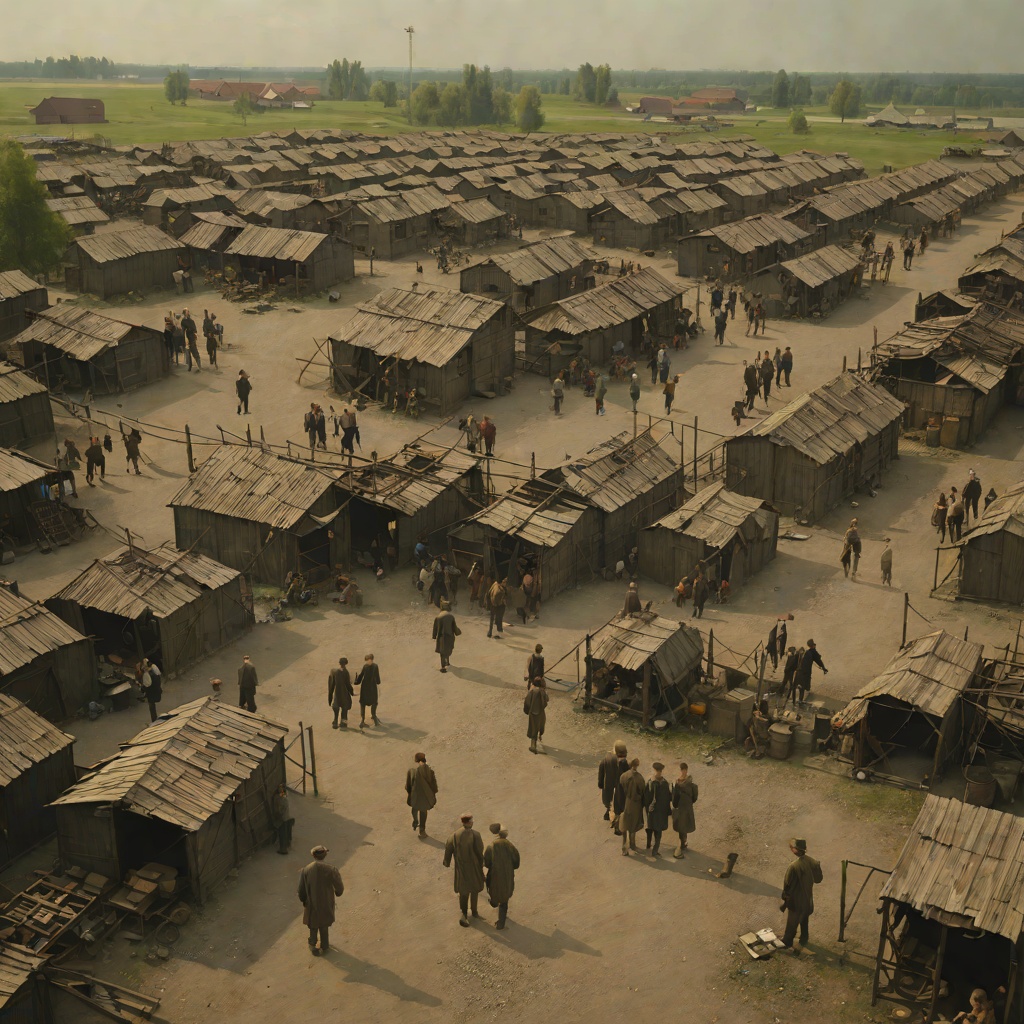
Vienna had been a dream destination for Lale in his playboy days. The very word sounds romantic, full of style and possibility, and he had once imagined visiting it as a young man of means. But he does not doubt that it will now fail to live up to this perception, and the reality confirms his fears. When he and the others arrive, the guards are indifferent to them, a stark contrast to the brutal attention of Auschwitz. They find a block and are told where and when to get their meals. The camp commandant dodderers about, and Lale wonders how he is still breathing. For several days he observes his surroundings, chats to amenable guards, and tries to understand the dynamic among the prisoners. He discovers that he is probably the only Slovak prisoner here, and decides to keep to himself. Poles, Russians, and a few Italians sit around all day talking with their countrymen, leaving Lale largely isolated. The camp is a place of stagnation rather than terror, where almost all he can do is watch the SS guarding them and try to work out who can be approached and who must be avoided.
The Burden of Hidden Identity
The condition of his transfer is a profound erasure: he must keep quiet about his religion, because this camp does not take Jews. This is a different kind of violence from the open persecution of Auschwitz, where his crime was simply to be Jewish. Here, his Jewishness must be concealed, a secret carried in silence. The guard who arranged his transfer is impressed by his fluent German, a skill that had served him in the camp and now becomes his ticket to a slightly better existence. Lale's fluency is his currency, but it is also a reminder of the performance required of him. He paints a picture of Auschwitz removed from reality for the curious guard, knowing that nothing can be gained by telling the truth about the treatment of prisoners there. This deliberate deception, a survival strategy honed in the camp, is now turned toward a different end: securing a marginally safer position. Yet the safety is hollow, for his thoughts are dominated by Gita and by how he can get to her. Being shunted from camp to camp to camp, he cannot bear it much longer.
The Final Escape
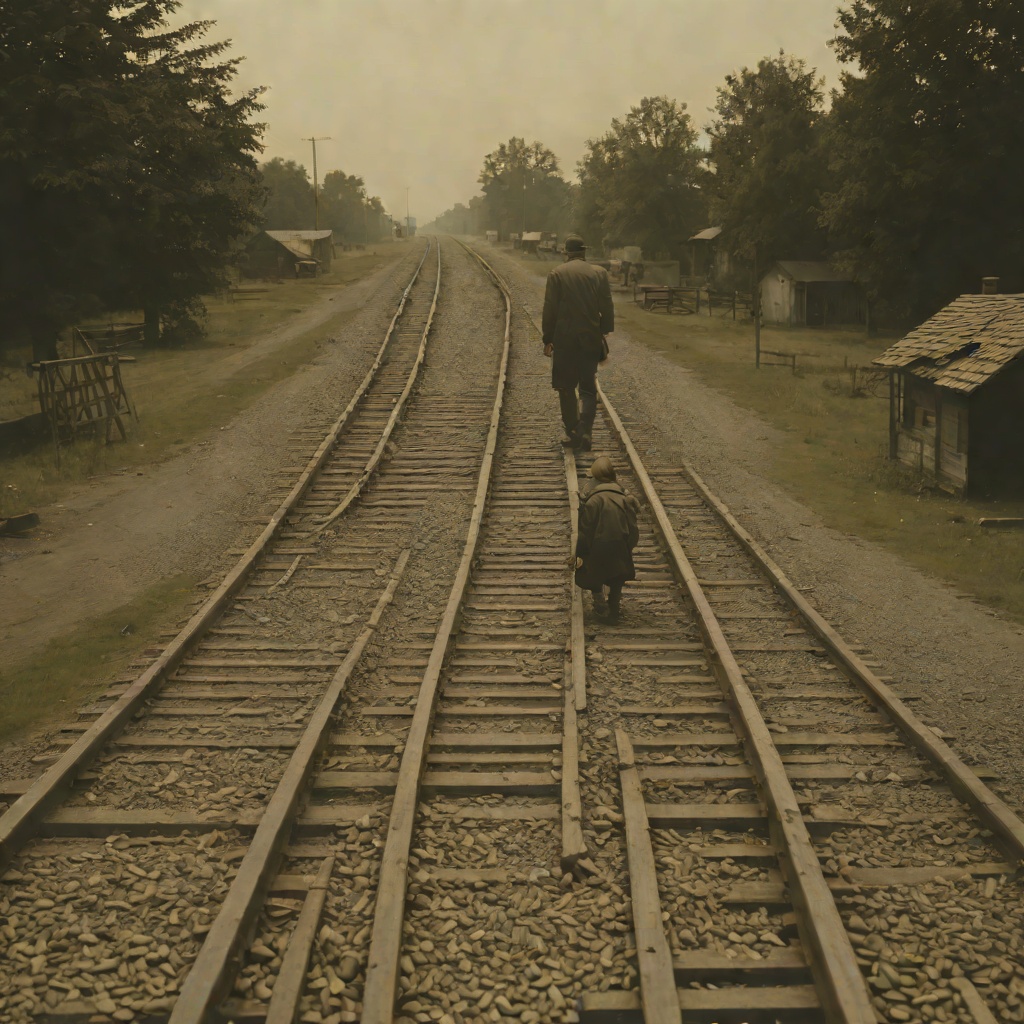
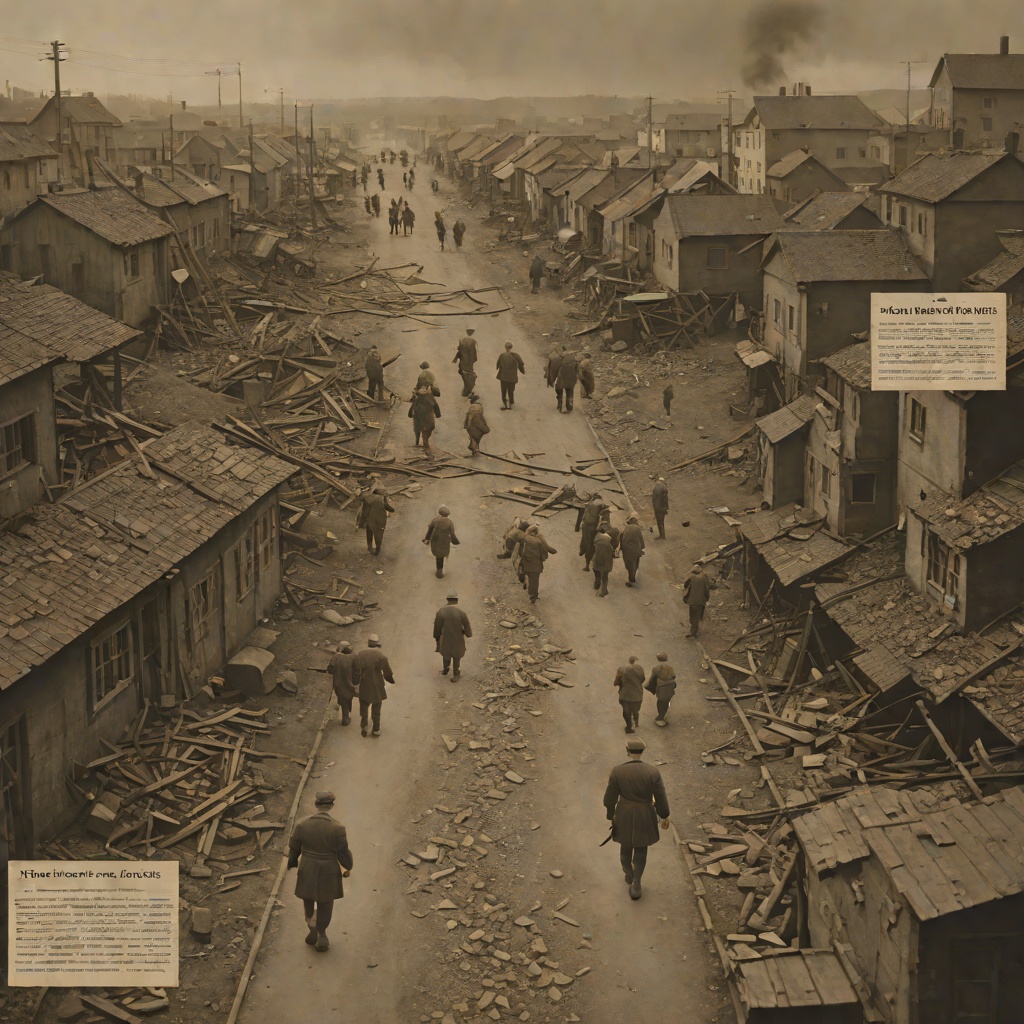
Saurer-Werke is not the end of Lale's journey but the launching point for his flight. The stagnation of the camp, the isolation, and the constant longing for Gita all converge into a determination that carries him forward. He has promised to find her, and this gives him the sense of purpose he needs to carry on. The escape from Saurer-Werke leads him on a journey of three days and nights down broken roads and through bombed-out towns, fording streams where bridges have been destroyed and giving rides to various people along the way. He eats sparingly from his rations and feels profound grief for his scattered family, but the longing for Gita sustains him. When he eventually arrives back in Bratislava, he goes immediately to the train station and asks whether survivors from the concentration camps have been coming home. Told that they have, he decides the only thing to do is meet every train, with no idea where Gita might have ended up, not even which country. For two weeks he loiters at the train station, approaching every disembarking woman with the question, "Were you in Birkenau?" On the few occasions he gets a yes, he asks, "Did you know Gita Furman? She was in Block 29." No one knows her. The stationmaster eventually suggests he register Gita with the Red Cross, who are taking the names of the missing and of those who have returned and are seeking loved ones. With nothing to lose, he heads into the city center to the address he has been given. Saurer-Werke, then, is the place where Lale's captivity ends and his quest begins in earnest, the quiet, indifferent camp that paradoxically propels him toward the reunion that defines the rest of his life.