Strafkompanie
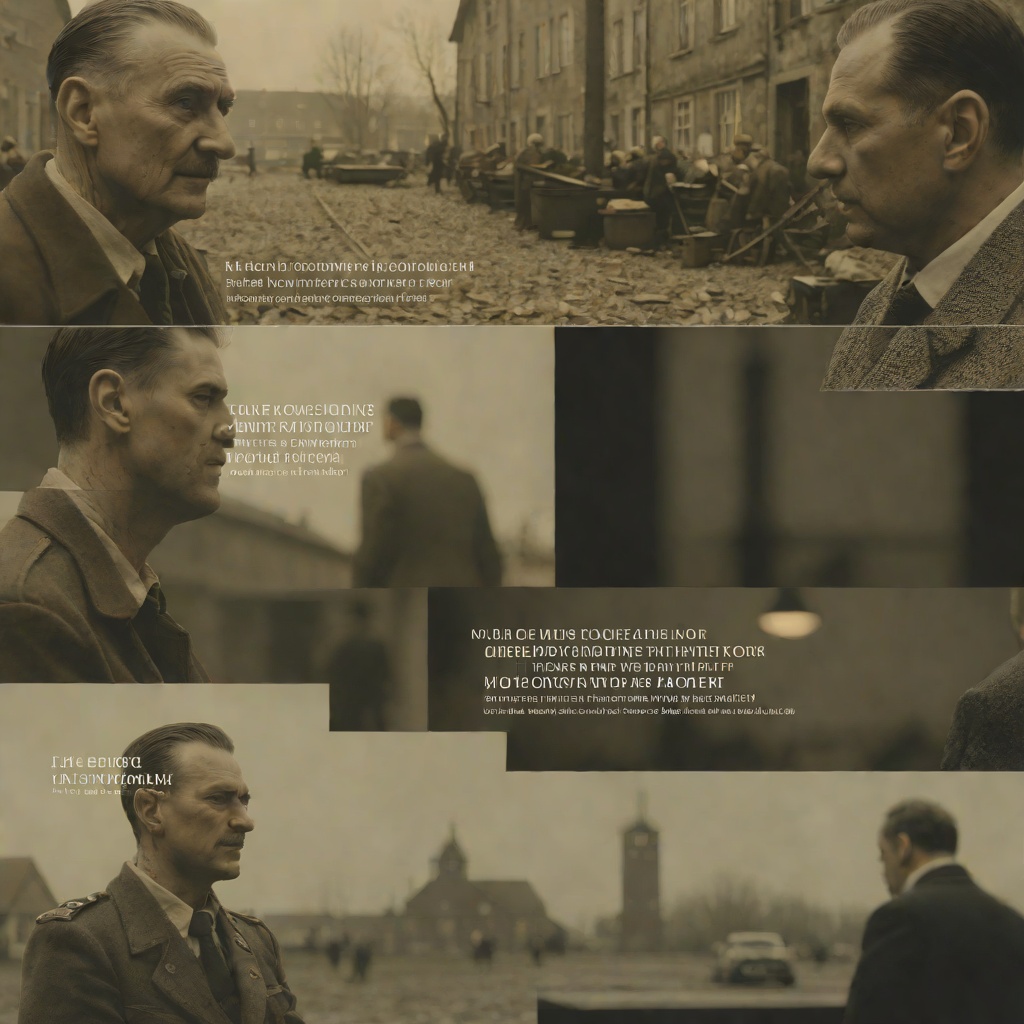
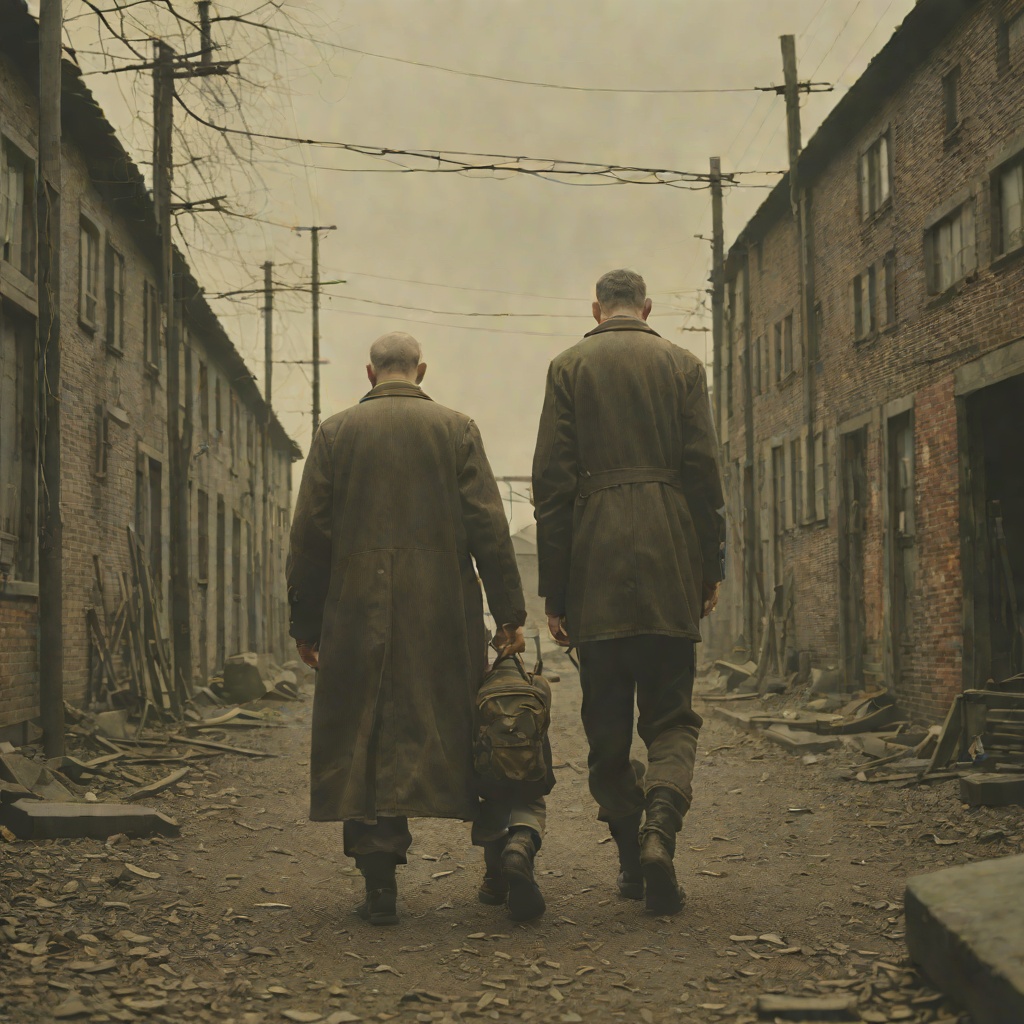
The Tattooist of AuschwitzThe Strafkompanie, the penal unit of Auschwitz-Birkenau, was the camp's most dreaded punishment detail, a place designed not for reform but for destruction. Its very name carried a weight of terror, signifying a fate worse than the already brutal conditions of the main camp. Within the narrative of The Tattooist of Auschwitz, it stands as the ultimate expression of the SS's power to inflict suffering, a black hole from which no light or hope was meant to escape. The unit's function was to break prisoners utterly, through torture, starvation, and brutal labor, with the unspoken understanding that those sent there were already considered dead. It was a mechanism of terror that reinforced the camp's hierarchy of fear, a place whose reputation alone was enough to enforce compliance among the general prisoner population, who knew that a single misstep could lead to its gates. The Strafkompanie was not merely a punishment; it was a sentence of death, drawn out in its cruelty, and its presence in the story serves as a constant, chilling reminder of the stakes of survival in the camp. The very fact that Lale Sokolov, the camp's Tätowierer, was sent there marks the most critical turning point in his personal struggle, a descent into a hell from which return seemed impossible, making his eventual survival a testament to the extraordinary, and perhaps inexplicable, forces that governed life and death in Auschwitz.
The Penal Unit's Purpose and Reputation
The Strafkompanie was the camp's instrument of ultimate punishment, a place where prisoners were sent to be broken, both physically and mentally. Its purpose was not to correct behavior but to serve as a brutal deterrent, a warning to all other prisoners of the consequences of defiance or transgression. The unit's methods were designed to be so horrific that the mere threat of being sent there was enough to maintain order among the terrified inmate population. The reputation of the punishment blocks, including Block 11 where prisoners were held before their fate was decided, was well known throughout the camp. Behind these secluded torture houses stood the Black Wall, the execution wall, a constant and grim reminder of the final destination that awaited many who entered the penal system. The Strafkompanie was thus not just a place of suffering but a symbol of the SS's absolute and arbitrary power, a power that could condemn a person to a slow, agonizing death or a sudden execution at the wall with no warning and no recourse. The very existence of such a unit, and the knowledge that no one was expected to survive it, created a pervasive atmosphere of dread that hung over the entire camp, a dark undercurrent to the daily struggle for existence.
Lale's Imprisonment and Torture
Lale Sokolov's own experience with the Strafkompanie began in June 1944, when he was arrested and thrown into a truck that took him to Block 11. He was placed in a small, dark cell, where for two days he sat in near-total darkness, the only light coming from a crack under the door. As he listened to the cries and screams of other prisoners being tortured, he was forced to relive every moment he had spent with Gita Furman, the woman he loved, a torment that was both psychological and emotional. On the third day, sunlight blinded him as a large man entered his cell, and he recognized the man as Jakub, a fellow prisoner who had been tasked with torturing him. This betrayal by a fellow inmate added a layer of profound psychological cruelty to the physical ordeal, as Lale was subjected to torture at the hands of someone he knew. The experience was a descent into a personal hell, a place where hope was systematically stripped away and replaced with the certainty of a grim fate. Lale himself expected that after being tortured, he would be taken to the Black Wall for execution, a fate he believed was inevitable. The fact that he was not killed but instead thrown into a truck and returned to the main camp was, by his own admission, a mystery to him, a twist of fate that he could not explain.
The Impossible Survival and Its Aftermath
The survival of anyone from the Strafkompanie was considered an impossibility, a fact that made Lale's return all the more remarkable. When he was brought back, he encountered Stefan Baretski, the SS officer who had first recruited him as the camp tattooist. Baretski, who had never known anyone to walk away from the Strafkompanie, offered a grudging acknowledgment of Lale's feat, a rare moment of recognition from a member of the SS. Lale, in turn, was surprised to find that he had been given his old room back, a privilege that came, as Baretski explained, with the job. This return to his former position was not a sign of mercy but a pragmatic decision by the camp authorities, who needed his skills as the Tätowierer. The experience, however, left an indelible mark on Lale, deepening his understanding of the camp's brutality and the precariousness of his own existence. The fact that he survived the Strafkompanie, a place from which no one was expected to return, became a part of his personal legend, a testament to his resilience and the sheer improbability of his survival. It also reinforced his determination to live, to walk out of the camp a free man, and to see the murderers who ran it burn in hell, a vow that had been forged in the fires of his suffering.
The Strafkompanie as a Symbol of Nazi Brutality
The Strafkompanie functions in the narrative as a concentrated symbol of the Nazi regime's inhumanity, a place where the systematic destruction of human life was carried out with cold, bureaucratic efficiency. It was a microcosm of the camp's larger purpose, a place where the SS could exercise their power with absolute impunity, torturing and killing prisoners without consequence. The unit's existence was a testament to the regime's belief in the dehumanization of its victims, treating them not as people but as objects to be used and discarded. For Lale, the experience of being tortured in the Strafkompanie was a profound violation, an assault on his body and his spirit that he would carry with him for the rest of his life. It was a stark reminder of the fragility of his existence and the constant threat of violence that hung over every prisoner in the camp. The Strafkompanie, with its torture chambers and its proximity to the Black Wall, was the ultimate expression of the camp's power to destroy, a place where the last vestiges of hope were extinguished and the only goal was to endure the unendurable. Its presence in the story serves as a powerful indictment of the Nazi system, a reminder of the depths of cruelty that human beings are capable of inflicting upon one another.