chocolate
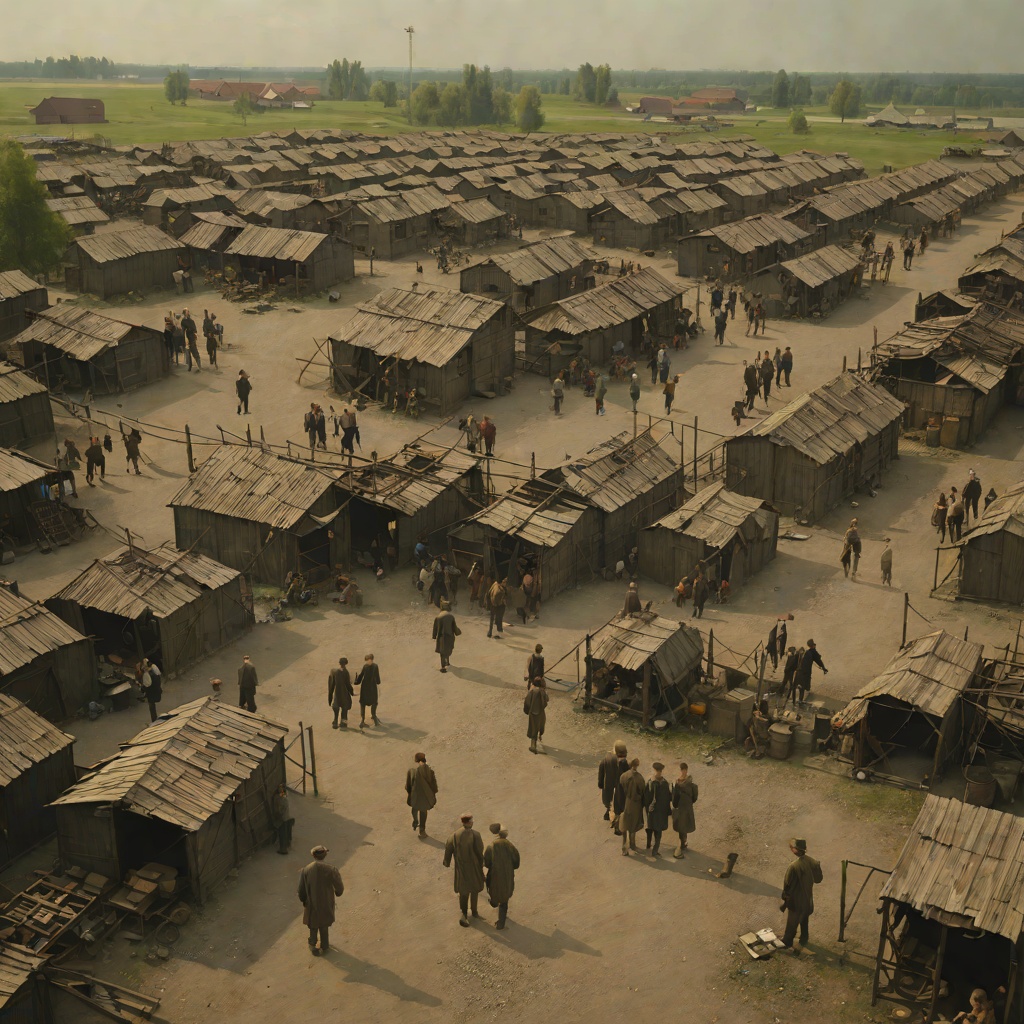
The Tattooist of AuschwitzIn the brutal, dehumanizing landscape of Auschwitz-Birkenau, where prisoners are reduced to numbers and their bodies are marked with ink and pain, chocolate appears as a small, almost absurdly precious object. Yet within this world of deprivation, it becomes one of the most powerful symbols in the narrative of Lale Sokolov, the camp's Tätowierer. Chocolate is not just a food; it is a currency of the black market, a tool of survival, a gesture of tenderness, and the very medium through which Lale expresses his love for Gita Furman. Its presence in the story marks moments of profound humanity, resistance, and connection, offering a stark and moving contrast to the surrounding horror.
A Currency of Survival and Compassion
Lale's first encounter with chocolate as a means of exchange occurs early in his time at the camp, during the winter of 1942. After receiving food from a fellow prisoner, he realizes he has nothing to pay with. His immediate thought is not of his own hunger but of a way to acquire something special: "There might be a way I could pay you, though. If I find a way, can you get me something else, like chocolate?" He wanted chocolate because, as he reflects, "That's what you give a girl if you can get it." This simple desire reveals his innate romanticism and his determination to find beauty and normalcy even in the most abnormal of circumstances. The black-market network he builds, which includes acquiring chocolate, becomes a vital part of his survival strategy and his ability to help others. He later asks the girls who work with him to procure small quantities of chocolate, emphasizing the need for discretion to avoid the deadly consequences of discovery. When he receives the packages, he breaks the chocolate into small, equal pieces, making it easy for the girls to hide and pass around, a meticulous act of care that underscores the life-or-death stakes of their secret trade.
The Language of Love
Chocolate becomes the primary language through which Lale communicates his affection for Gita. In a tender scene, he asks her to close her eyes and open her mouth. He then produces a small piece of chocolate, placing it on her lips and letting her feel its texture before slowly pushing it into her mouth. He pulls it back, rubs the now-moistened chocolate gently across her lips, and she licks it off with delight. When she bites down, savoring the taste, she asks, "Why does chocolate taste so much better when it's fed to you?" This intimate exchange is a moment of pure, unadulterated humanity, a stark contrast to the violence and degradation that surrounds them. It is a courtship ritual, a shared secret, and a profound act of love. Later, when Lale shows Gita a precious object, she calls it "the most beautiful thing I've ever seen." He replies, "It's the second most beautiful thing I've ever seen," looking at her. She blushes and turns away, and then asks for more chocolate. He hands her a small block, and she snaps off a piece, placing it in her mouth and closing her eyes for a moment before wrapping the rest in her sleeve. This exchange solidifies chocolate as a symbol of their bond, a tangible expression of the love that grows between them in the shadow of death.
A Fragile Comfort in the Face of Atrocity
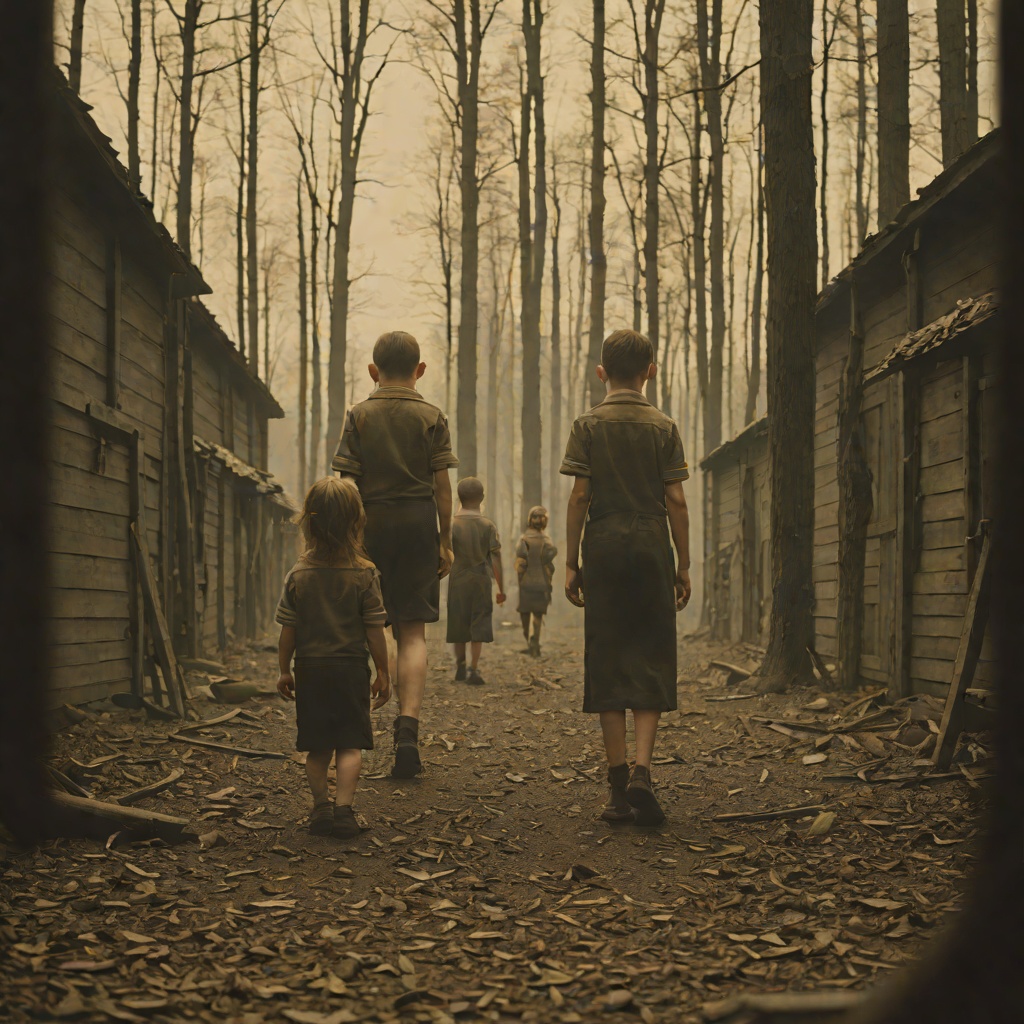
Chocolate's role extends beyond Lale and Gita's personal romance, serving as a fragile comfort in the face of unimaginable atrocity. After the liquidation of the Gypsy camp, Lale is left to shepherd the surviving children, who are either crying or too shocked to cry. He goes to his room and returns with chocolate, which he and Nadya break up and offer around. Some of the children take it, but others look at it as if it, too, will harm them. This moment reveals the limits of even the most compassionate gesture; chocolate cannot undo the trauma, but it represents a desperate, human attempt to offer solace. Nadya takes Lale by the hand, raising him to his feet, and tells him, "Thank you. You have done all you can." The chocolate, in this context, is a symbol of Lale's relentless effort to preserve humanity, even when it seems futile. It is a small, sweet defiance against the forces that seek to destroy all hope.
A Symbol of Hope and a Promise of the Future
The significance of chocolate is not confined to the camp's horrors; it also carries the promise of a future beyond them. Lale's desire to give chocolate to a girl is a gesture rooted in a world of normalcy and courtship, a world he desperately wants to return to. It is a reminder that life, love, and simple pleasures exist outside the barbed wire. The act of feeding chocolate to Gita is not just about sustenance; it is about creating a shared memory, a moment of intimacy that they can carry with them. It is a promise that if they survive, there will be a world where chocolate is not a rare, dangerous luxury but a simple pleasure to be enjoyed freely. This hope is embodied in Lale's later actions, such as his desperate attempt to buy a horse and cart after the war, driven by his sister Goldie's parting words: "Don't come back without Gita." The chocolate, like the horse and cart, is a tool for building a life, a symbol of the future he is fighting to create. It is a testament to the enduring power of love and the human spirit's refusal to be extinguished.