
The Shape of Evil
The ThicketThis flow traces the novel's effort to define evil without separating it cleanly from ordinary human behavior.
increasing Bearing strength in each event
 decreasing
Bearing strength in each eventdecreasingGrave Robbery
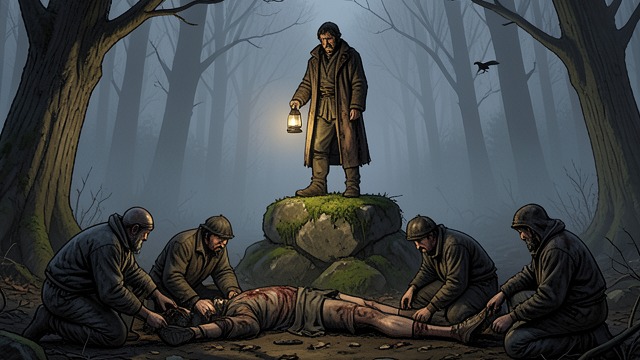
Evil as Boast
Confession
Cut Throat Bill boasts about robbing a corpse and forcing workers to strip it.
Intention
He uses the story to define himself as someone beyond ordinary shame.
Effect
Jack Parker first encounters evil as performance designed to intimidate witnesses.
The Gang's Casualness
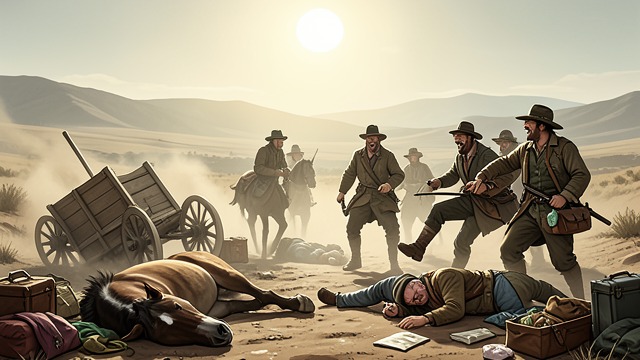
Murder as Routine
Pattern
The gang kills a boy, travelers, animals, and householders whenever they obstruct escape.
Indifference
Their violence is practical one moment and playful the next.
Interpretation
The lack of a stable motive makes them more frightening than criminals driven only by profit.
The Posses' Mirror
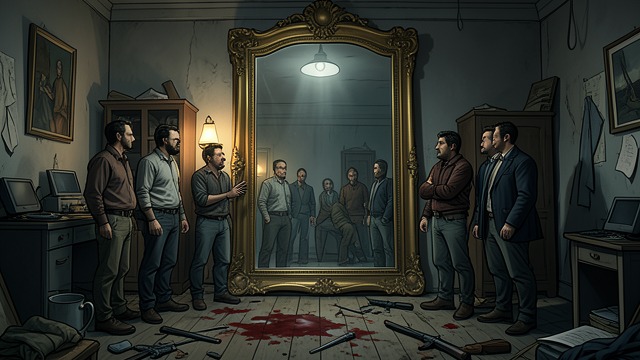
Violence Reflected
Similarity
Jack Parker's group kills men who draw weapons, then debates whether those deaths were necessary.
Difference
They bury the dead and preserve some sense of responsibility.
Uncertainty
The distinction between justice and vengeance remains unstable.
The Devil Within
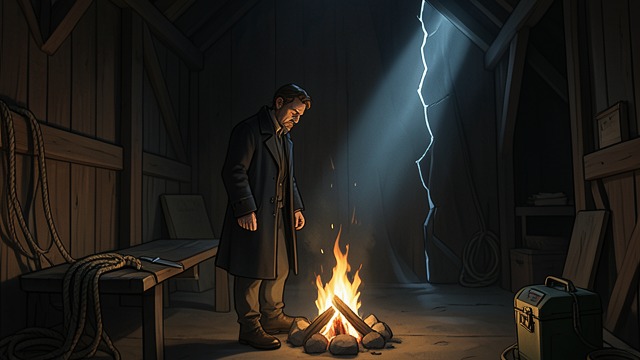
No Separate Monsters
Argument
Shorty claims that humans are capable of cruelty without needing supernatural explanation.
Challenge
He rejects the comfort of calling perpetrators inhuman because ordinary people also participate in violence.
Theme
God is an idea, and the devil is us becomes a bleak but honest interpretive frame.
Moral Remainders

Burial as Judgment
Practice
Jack Parker buries victims and enemies even when he believes the latter deserve hell.
Limit
Burial cannot undo violence or establish perfect moral balance.
Meaning
The gesture preserves a minimum human dignity in a world where goodness is partial and compromised.
during the ferry confrontation
during the road killings
during the trading post battle
during Shorty's discussion of human nature
after the gang's defeat
