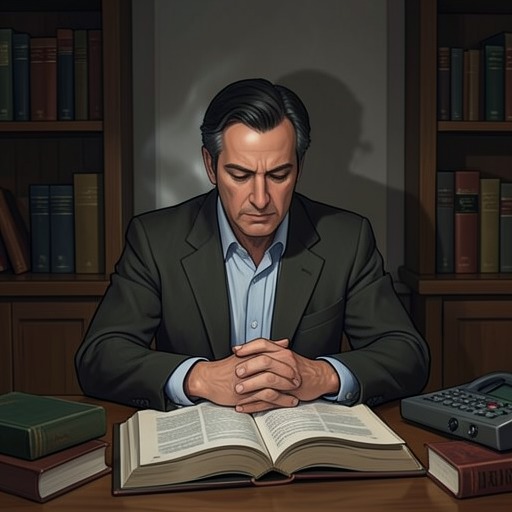
Daniel Upton Shoots Edward's Body
The Thing on the DoorstepDaniel Upton’s shooting of the body that had been Edward Derby’s is the lethal culmination of Derby’s warnings about soul exchange: Upton believes the person inside it is no longer Edward, but the entity associated with Asenath Waite and Ephraim Waite. He acts in Edward’s name and for the world’s safety, yet remains unsure whether killing the physical form can end the danger.
Causes and Background
Derby had warned that Asenath Waite could force him out of his body and that a Hallowmass sacrifice would make the exchange permanent. He described a cult rite beyond Chesuncook, where he was transported against his will and saw a figure rise from an altar among a howling crowd. His account connected the ceremony to Ephraim Waite’s secret name and to the prospect of being trapped permanently in another body. Upton initially treated Derby’s claims as delusions, though he had witnessed what he later understood as one of the bodily changes.
Derby’s final warning supplied a graver explanation. He said he had killed Asenath Waite and buried her in a cellar storeroom, but that her soul—or Ephraim Waite’s—could persist after the body died and continue the exchange. After the change began, Derby found himself in Asenath’s buried corpse and believed that she occupied his body at the Arkham Sanitarium. Because Hallowmass had passed, he feared the ritual’s effect was already permanent. His escape and warning left Upton to confront the person in the sanitarium whom Derby identified as the continuing threat.
The Shooting
After a period of collapse, Upton recovered enough to walk and speak coherently. The following afternoon he went to the Arkham Sanitarium and shot the person in Edward Derby’s body, believing that the occupant was not Derby. Upton later described the act as being for Edward’s sake and for the world’s protection. The account presents the decision as deliberate, but made under the pressure of Derby’s warning and Upton’s conviction that an entity had taken control of the body.
Aftermath and Uncertainty
The sanitarium retained the body for autopsies by several doctors. Upton insisted that it be cremated, reasoning that death of the physical form might not end the entity’s power. His certainty about the danger therefore did not bring certainty about the outcome: he feared that the powers could survive bodily death and that he himself might be their next target. He resolved not to let his will be undermined or to exchange souls with the body he had shot.
Narrative Significance
The shooting reverses the expected shape of a rescue. Upton believes he is acting to protect Edward, but the person who reaches him with a warning is already separated from the body held at the sanitarium. The killing can therefore be understood only through the story’s disputed distinction between body and identity: Upton shoots the body, while the narrative leaves the fate of the entity—and the safety of the remains—unsettled. His demand for cremation extends that uncertainty beyond the act itself, making the disposal of the body part of the attempted defense.