Hallowmass
The Thing on the DoorstepHallowmass is the decisive ritual deadline in Edward Pickman Derby’s account of his conflict with Asenath Waite: a sacrifice planned for a gathering beyond Chesuncook was, he believed, capable of making their exchange of bodies permanent. Its importance lies not only in the threat Derby says he faced before the date, but in his later warning that the sacrifice could take effect even after Asenath’s death.
The Planned Sabbat
Derby tells Daniel Upton that a Sabbat was to be held beyond Chesuncook at Hallowmass. He believed Asenath intended to take his body there for good, with the sacrifice completing the change: she would remain in his body, while he would be left in hers. In his account, the outcome would also fulfill Asenath’s wish to become a man and fully human. These are Derby’s claims about the ritual’s purpose and power; the events are conveyed through his testimony and the warning he later writes, not through an independently witnessed description of the planned ceremony.
Hallowmass as a Deadline
The date gives Derby’s flight and resistance a specific urgency. He tells Upton that he had to save himself because Asenath would have taken him permanently at Hallowmass, and he connects the threatened sacrifice to the prospect of being killed while trapped in his former body. Later, when he writes that he killed Asenath, he again identifies the approaching Hallowmass as the reason he acted: he believed she would otherwise have secured his body for good. The recurring reference makes the calendrical occasion a deadline in Derby’s account, rather than a general marker of the couple’s conflict.
The Ritual’s Claimed Afterlife
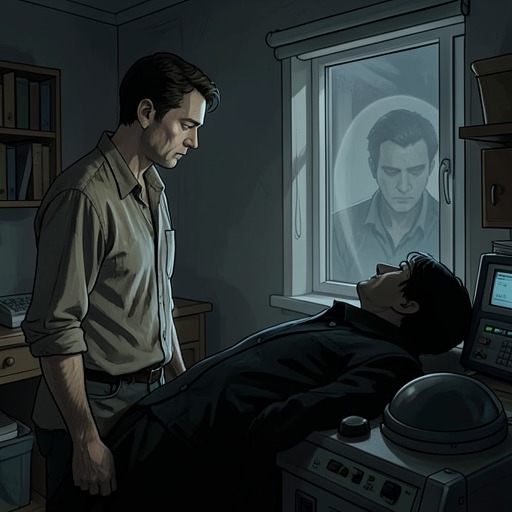
Derby’s final warning changes the meaning of that deadline. After Asenath has been dead for three and a half months, he believes she is still taking control of his body and exchanging places with him. He explains this through the claim that a soul such as hers—or Ephraim Waite’s—can remain active after the body dies. Because Hallowmass has passed, he fears the sacrifice can still work even without Asenath physically present at the ceremony. The date therefore marks, in his understanding, not the end of the danger but the point after which the exchange may become irreversible. His plea that Asenath’s body be cremated follows from that fear: he believes its continued existence could allow the process to persist from body to body.