Jussac
The Three MusketeersJussac, a captain in the Cardinal's Guards, serves as one of the most prominent antagonists in the early conflicts between the king's Musketeers and the cardinal's men. His confrontation with d'Artagnan and the three Inseparables near the Carmes-Deschaux convent becomes the decisive event that cements the four friends' bond and establishes d'Artagnan's reputation as a formidable swordsman.
Identity and Role
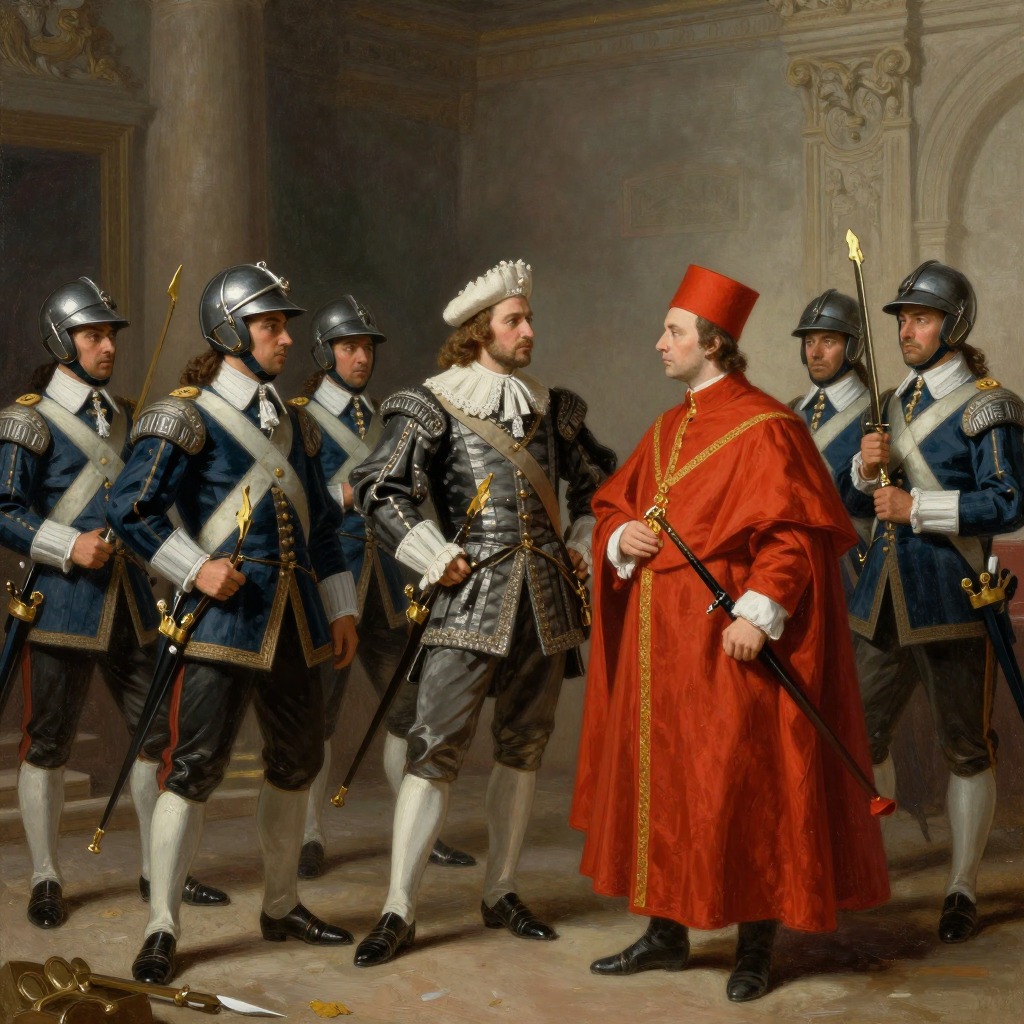
Jussac is introduced as a captain of the Cardinal's Guards, a position that places him among the most trusted and capable officers in Richelieu's personal military force. He is described as one of the first swordsmen in the kingdom, a reputation that makes his defeat by the young and inexperienced d'Artagnan all the more striking. His role in the narrative is that of a threshold guardian: he represents the cardinal's power and the obstacles that d'Artagnan must overcome to prove himself worthy of the Musketeers. Jussac is also identified as one of the aggressors in the earlier brawl in the Rue Ferou, where the Musketeers had been bested by the cardinal's Guards, establishing a personal history of enmity between him and Athos, Porthos, and Aramis.
The Encounter at the Carmes-Deschaux
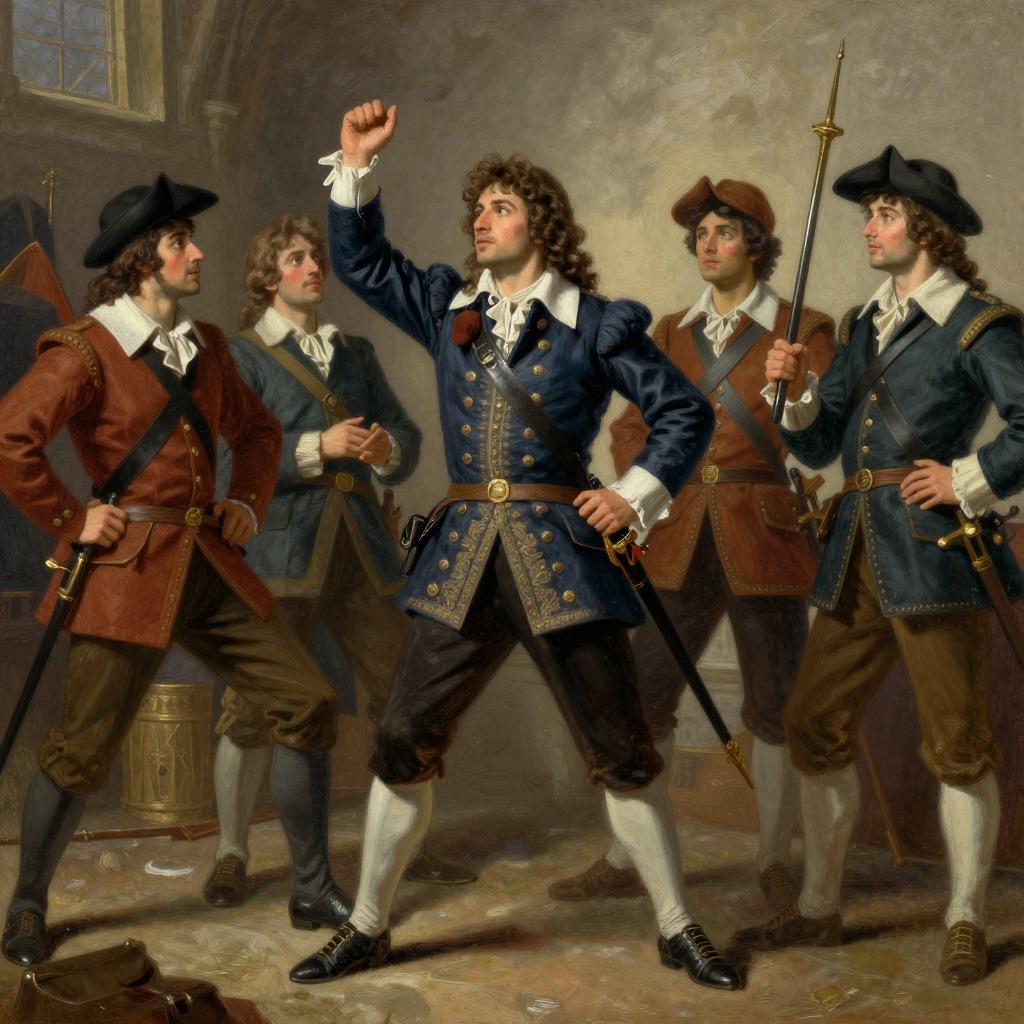
The pivotal scene occurs when Athos, Porthos, and Aramis are about to duel d'Artagnan near the Carmes-Deschaux convent. Jussac, commanding a company of the cardinal's Guards, discovers them with their swords drawn and intervenes, citing the edicts against dueling. Athos, full of rancor, recognizes Jussac as one of the aggressors from the Rue Ferou and refuses to submit. Jussac threatens to charge them, and the three Musketeers, outnumbered five to three, prepare to fight to the death rather than be captured again. At this critical moment, d'Artagnan, who had been their intended opponent, declares himself one of them: "I have not the uniform, but I have the spirit. My heart is that of a Musketeer." Jussac dismisses him as a boy and orders him to withdraw, but d'Artagnan refuses. The nine combatants rush upon each other, and d'Artagnan, with a combination of agility and sound theory, defeats Jussac in single combat, passing his sword through his body. Jussac falls like a dead mass, and though he later rises on his elbow to command his subordinate Bicarat to yield, his defeat is complete.
Consequences and Significance
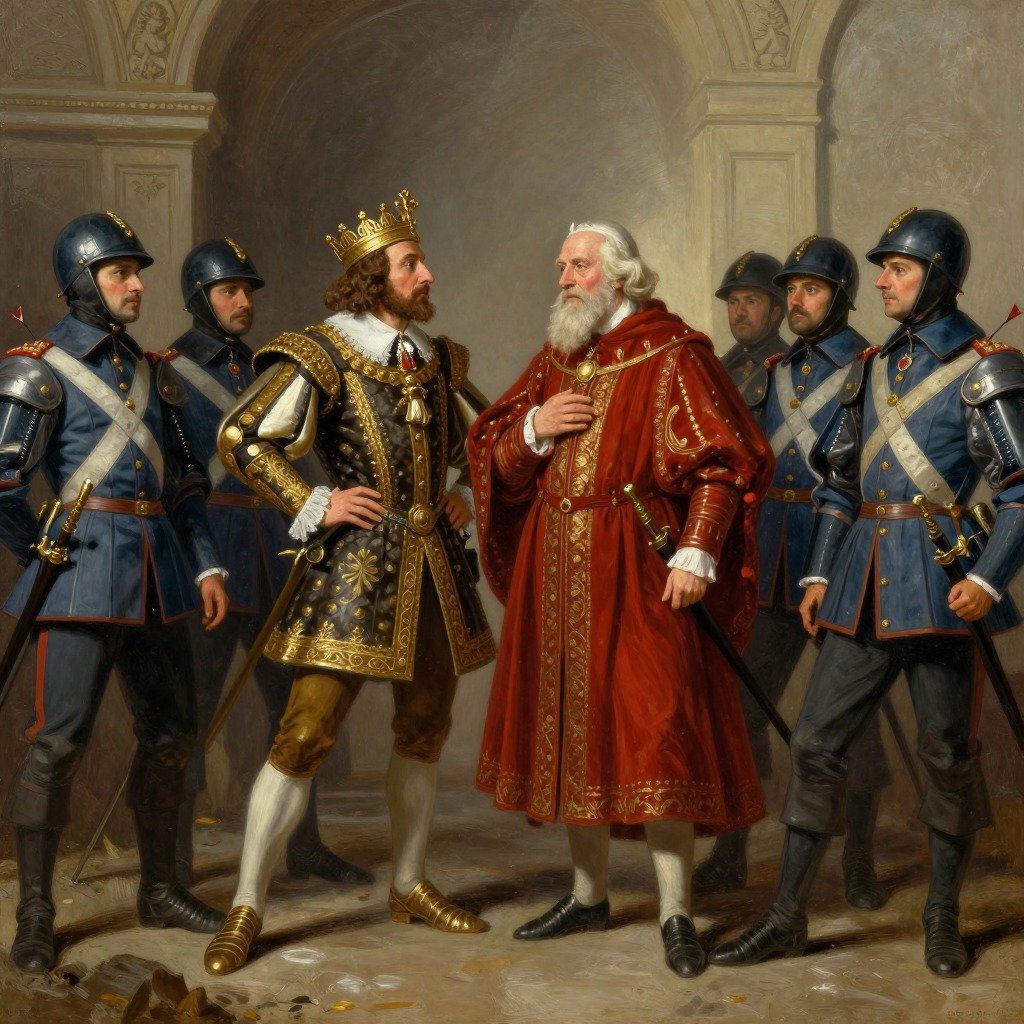
Jussac's defeat has far-reaching consequences. It is the first major victory of the four friends against the cardinal's forces, and it directly leads to d'Artagnan's introduction to King Louis XIII. The king, upon hearing Treville's account, exclaims with disbelief that a boy could have wounded Jussac, one of the first swordsmen in the kingdom. This victory also deepens the enmity between the Musketeers and the cardinal, who is furious at the loss of one of his best men. The king later taunts the cardinal by asking, "Well, Monsieur Cardinal, how fares it with that poor Jussac?" The cardinal's anger is so great that he absents himself from the king's gaming table for eight days. Jussac's defeat thus serves as a turning point in the power dynamics between the king's and the cardinal's factions, and it marks d'Artagnan's transition from a provincial outsider to a recognized figure in the court's conflicts.