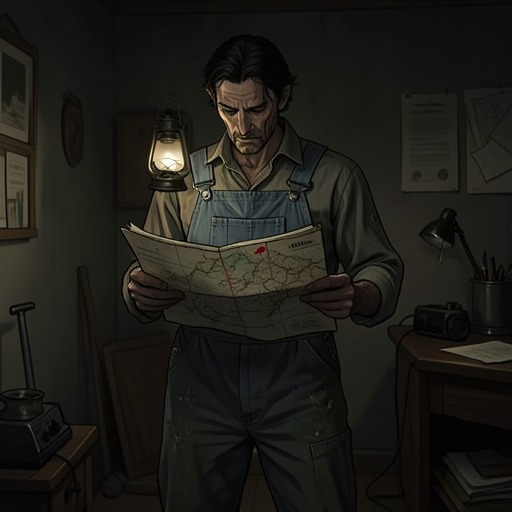
Sandokan’s vow of vengeance against Europeans
The Tigers of MompracemSandokan’s vow of vengeance against Europeans turns a personal history of dispossession and loss into a continuing political and military conflict. He presents his hatred as a response to European interference in his rule and the deaths of his family, while the story sets that vow against both his attacks on colonial power and his capacity for generosity.
Origin and Meaning
Sandokan explains the vow by recounting that Europeans conspired to take his throne because they considered him too powerful, then murdered his mother, brothers, sisters, and other loved ones. He says he had not threatened them before they moved against him. In his account, the resulting vengeance is not an isolated grievance against one opponent: he extends it to Spanish, Dutch, British, and Portuguese people, and describes his commitment as sworn over the bodies of his family and unbreakable.
The vow therefore joins private bereavement to a contest over political authority. Sandokan’s account presents his violence as retaliation for being targeted and dispossessed, rather than as an unexplained appetite for conflict. The narrative does not independently establish every part of that history in these passages; it gives the explanation as Sandokan’s own justification, voiced in conversation with Yanez.
From Vow to Threat
The vow shapes Sandokan’s response when he asks what the British are doing in Labuan and whether they are plotting against him. Yanez answers that the British are strengthening their defenses and may be acting against him. Sandokan responds by warning that any challenge to Mompracem will bring a bloody answer. His concern is not abstract: he frames the island as his stronghold and the pirates as a force that will resist an attack there.
That threat is associated with the visible symbols of his power at Mompracem. A red flag bearing a tiger’s head flies above a fortified hut beyond trenches, embankments, and ramparts. The scene places Sandokan’s vow within an armed domain, where defiance is expressed through both declared intention and the defenses of his base. His later encounter with a heavily armed British ship off Labuan brings the wider conflict into immediate reach: the patrol blocks the westward route, and Sandokan prepares his crews to meet it.
The Colonial Conflict at Labuan
The British presence at Labuan gives Sandokan’s hostility a specific political and military setting. The island was occupied in 1847 by Sir Rodney Mundy, commander of the Iris, under orders from the British Government to eradicate piracy in those waters. The British had recently built a citadel named for Queen Victoria, with large bastions intended to protect the island from the pirates of Mompracem, whose previous raids had devastated the coast.
The opposed positions make the conflict reciprocal in its stated aims: British defenses are presented as protection against piracy, while Sandokan interprets British military activity as a possible threat to his own stronghold. The armed ship patrolling near the coast makes that contest tangible. The vow thus operates not merely as a memory of past injury but as a lens through which Sandokan reads present British actions and prepares for confrontation.
Vengeance and Generosity
Sandokan’s declaration is severe, but he also hopes that people will remember him as generous. Yanez supports that claim by recalling that Sandokan has defended poor tribes against raids, returned captive women to enemy ports despite the danger of British cruisers, and rescued shipwreck survivors before giving them riches. The contrast does not cancel the vow; it defines the limits Sandokan claims for his violence. His declared enemies are the European powers he holds responsible for his family’s destruction, while his account of himself also includes aid to people in danger or under attack.
This tension gives the vow its broader significance. It makes vengeance a lasting motive for Sandokan’s conflict with European authority, yet places that motive beside a self-image based on protection and generosity. The story leaves the two impulses in active tension: the same leader who threatens bloodshed if Mompracem is challenged insists that his past actions cannot be reduced to cruelty alone.