
Guilt, Responsibility, and Redemption
The TrenchThis flow examines how Jonas’s guilt over deaths and failures becomes destructive, then shifts toward a more grounded sense of responsibility to the living.
increasing Bearing strength in each event
 decreasing
Bearing strength in each eventdecreasingThe Survivors’ Burden
The Survivors’ Burden
An irreversible event
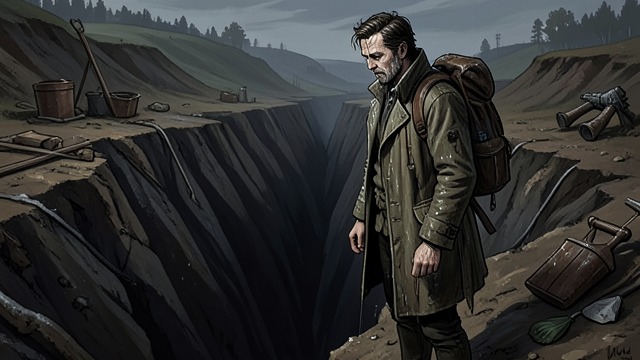
Jonas’s emergency ascent kills two scientists, and he survives. He carries responsibility for the decision even though he was responding to a terrifying encounter.
Guilt becomes identity
Rather than process the trauma, he builds a career around proving the Megalodon was real. The search for validation keeps him tied to the event instead of freeing him from it.
The Public Accusation
The Public Accusation
Responsibility on trial
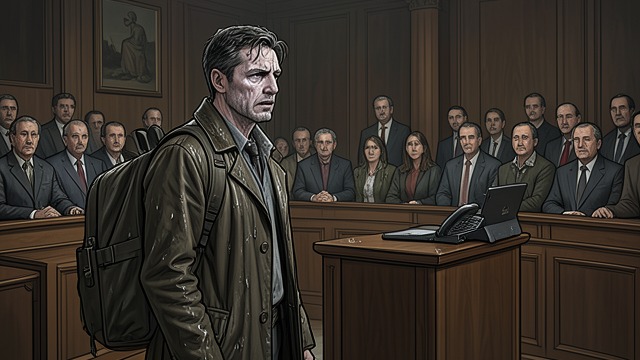
Jonas is accused of choosing profit over public safety when the institute captures and keeps the young Megalodon. The legal challenge turns the deaths associated with the shark into a personal indictment.
Grief compounded
Terry’s pregnancy ends in stillbirth during the trial, deepening Jonas’s belief that his work has harmed everyone around him. Guilt begins to extend beyond actions he can reasonably control.
Another Preventable Failure

Another Preventable Failure
A warning ignored
Jonas had argued that the lagoon gateway needed reinforcement, but the institute did not act before Angel escaped. He sees the deaths and destruction as confirmation that he should have done more.
Guilt becomes vengeance
Instead of separating his responsibility from the decisions of others, Jonas decides he must personally stop Angel. His guilt drives him toward a dangerous capture plan and nearly costs him his life.
A Near-Death Reckoning

A Near-Death Reckoning
The pattern recognized
After surviving hypothermia and cardiac arrest, Jonas reflects on the years spent trying to correct the past by confronting the shark. He recognizes how anger and guilt have narrowed his choices.
Responsibility redefined
He initially decides to retire from the pursuit, acknowledging that he cannot bring back those who died. This creates a distinction between accepting responsibility and treating self-destruction as repayment.
Saving Terry Instead
Saving Terry Instead
A living responsibility
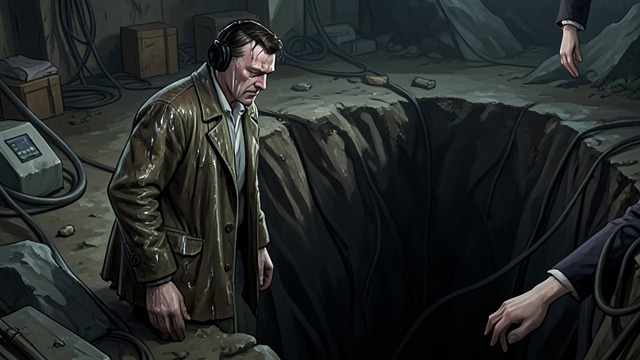
Jonas returns to the Trench when he learns Terry may be alive. His purpose is to rescue her, not to punish himself through another confrontation with Angel.
Redemption through action
He and Terry escape together, and the pod reaches the surface. Their survival cannot undo earlier losses, but it gives Jonas a way to live responsibly in the present rather than remain bound to past guilt.
After the Seacliff accident, eleven years before the main events
Four years before the main events, during the lawsuit against the institute
After Angel escapes the Tanaka Lagoon
After Jonas’s heart stops in the Gulf of Alaska
At the climax, during the descent to the Benthos
