Sea lion
The TrenchThe Sea lion has a brief but consequential presence in the story: it is first shown as an animal navigating danger near shore, then becomes both prey for Megalodon and the chosen bait in an attempt to capture the predator. These appearances give it a limited but distinct place in the narrative, which recognizes its behavior before turning its body into a tool in a human plan.
Coastal Behavior and Predation
In Imperial Eagle channel, an adult male Sea lion weighing just over six hundred pounds keeps close to shore. The scene establishes the limits of its movements through the conditions around it: visibility extends only a little more than thirty feet, and the animal does not venture more than fifty yards from land. The narration identifies pods of Orca as the only predators it fears. Its caution is practical rather than abstract; shore is the boundary within which it can try to avoid attack.
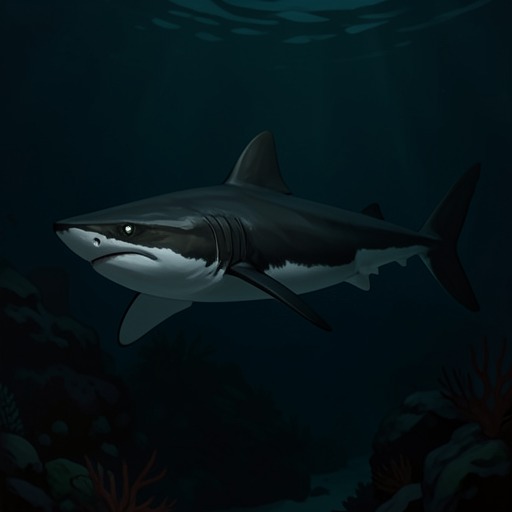
Megalodon approaches along the rocky bottom, tracking the Sea lion by the faint smell of urine. The distance between hunter and prey narrows while the animal remains near the surface. When the Sea lion senses danger, it moves toward shore, but the predator comes up beneath it. The Sea lion reacts to the disturbance and tries to evade the attack. Its vigilance and rapid response are real, but they do not give it control over the encounter: Megalodon reaches the surface and kills it. The sequence makes the Sea lion more than a measure of the predator’s appetite. For a moment, the animal’s own survival behavior shapes the action, even as the mismatch in power determines its outcome.
From Prey to Bait
Later, the Sea lion becomes central to a proposed capture plan. Celeste announces that the group will drug Megalodon using bait, and Michael Maren specifies Sea lions as the creature’s favored food. At Kodiak Island, he expects three freshly killed male Sea lions to be loaded aboard. The plan is to place substantial doses of anesthetic in each carcass, attach it by steel cable to a winch, and drag it along the surface until Megalodon takes it. Maren estimates that the drug will render the predator unconscious within five minutes of consumption. Captain Morgan consults a map and asks when Megalodon may reach Cape Chiniak; the estimate of three to four days gives the plan a deadline as well as a method.
The proposal converts an observed predator-prey relationship into operational logic. The Sea lion is selected because Megalodon eats it, and its expected appeal is meant to draw the predator close enough for the drugs to work. The human plan depends on that familiar pattern, but also escalates it: the animal is not simply food left in the water but a prepared delivery system, attached to machinery and intended to expose Megalodon to anesthetic. The stated method offers no assurance beyond Maren’s estimate, and the scene’s practical details keep the risk visible without establishing whether the drugging will succeed.
The Recovered Carcass
A later operation shows one Sea lion carcass being hauled from the water. Jonas Taylor stops the winch and uses the two-inch-thick steel line to swing the roughly six-hundred-and-thirty-pound bait over the transom and onto the deck. The recovered carcass makes the proposed method tangible: this is not just a plan discussed over a map, but bait already attached to the equipment used to handle it.
Inspection reveals how extensively it has been prepared. The cable passes through the Sea lion’s mouth to a three-foot hook; a porous ten-gallon container of drugs has been placed in its digestive tract, and a further dozen anesthetic pouches have been sewn along its hide. The details establish the scale of the precautions taken to ensure that Megalodon receives the drugs. They also distinguish this bait animal from the living male in the earlier encounter: the first Sea lion acts within the narrow space available to it, while this carcass has been arranged entirely around the intended behavior of another animal.
Narrative Significance
Across these scenes, the Sea lion occupies two different positions in the food chain and in the story’s human designs. The living animal’s cautious distance from shore and attempt to escape briefly give it a perspective of its own; its death demonstrates the predator’s capacity. The prepared carcasses then make that same predator-prey relation useful to the people pursuing Megalodon. The shift is consequential: the Sea lion moves from being an individual target of predation to becoming the means by which humans hope to control a larger threat.
The narrative does not develop the Sea lion into a continuing character or explain its wider life. Instead, its significance comes from the contrast between the brief account of its behavior and the detailed engineering of its later use as bait. The living animal’s limits are measured in feet from shore and visibility; the carcass is measured in weight, cable, hook, container, and drug pouches. That contrast keeps the operation’s dependence on animal life in view even as the plan treats the Sea lion as equipment.