
Letting Go and Shedding
The Unlikely Pilgrimage of Harold FryThe theme of release: Harold's abandonment of possessions, comforts and control as the path to freedom.
increasing Bearing strength in each event
 decreasing
Bearing strength in each eventdecreasingThe Carrier Bag
The Carrier Bag
The Weight Of Small Things
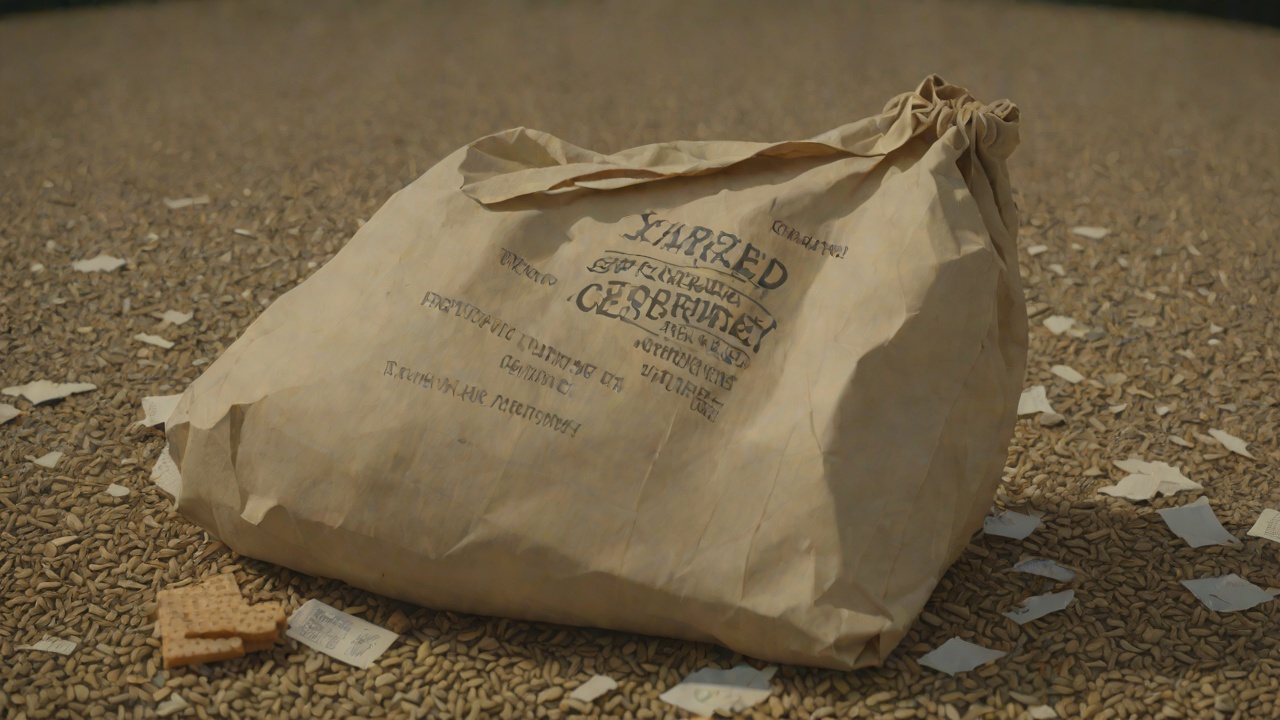
Harold carries a plastic bag of necessities: plasters, water, biscuits, toiletries. It thumps against his thighs and cuts into his wrists.
The Failure Of Planning
He has no map, phone or boots, and he is deeply unprepared. The lack of equipment is terrifying and liberating.
The First Lesson
To walk to Berwick, Harold must shed the fantasy that he can control the journey. The carrier bag is the first thing he carries; later he will carry even less.
The Wind-Up Torch
The Wind-Up Torch
The Spreading Shelves
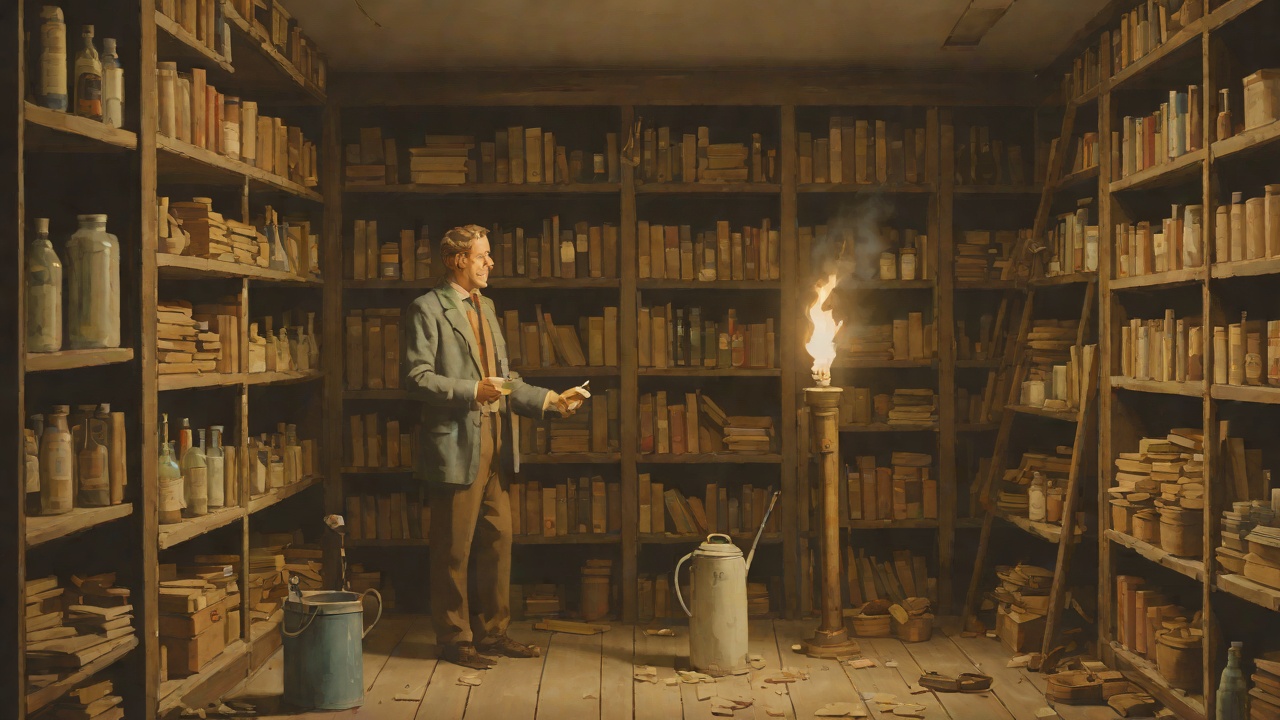
Harold begins to give away his supplies: washing powder to a student, a torch to a woman with lost keys, plasters to a child with a bleeding knee, the guidebook to lost German tourists.
The Grammar Of Simplicity
Each object given away lightens him. He keeps only the gifts for Queenie, the compass, the rucksack and the clothes on his back.
The Freedom In Need
Letting go of things teaches him to receive from others. The empty hands are the beginning of a new way of being in the world.
The Wallet Sent Home
The Wallet Sent Home
A Parcel To Maureen
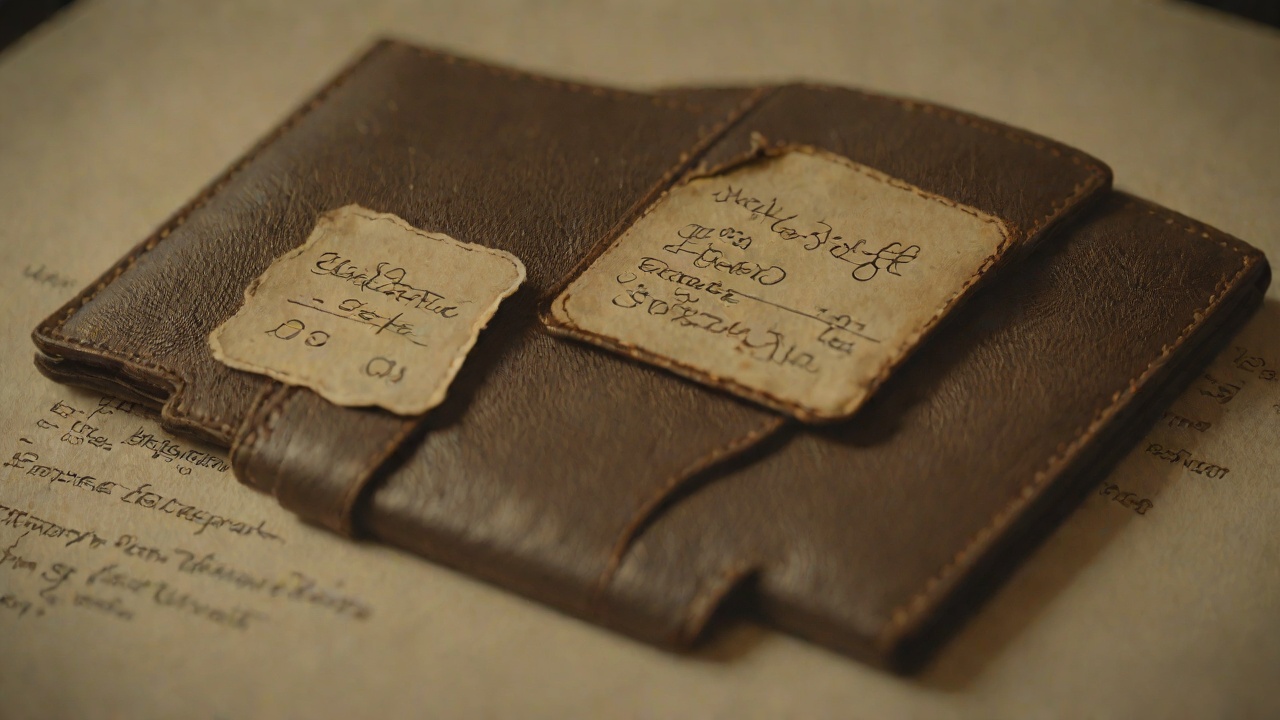
Harold sends Maureen his wallet, watch, debit card and a postcard showing a woolly Cotswold sheep. He tells her he is going to walk without so many things.
The Cost Of Freedom
He no longer needs money because he trust strangers and hedgehogs, spring water and field margins. The retirement fund, the one sensible resource, is gone.
The Simplicity That Sustains
Maureen pins the postcard to Rex's map and says softly, Oh Harold. The wallet in the bedside drawer means he has taken the most radical step of the pilgrimage.
Sleeping Rough
Sleeping Rough
The Barn And The Woodshed
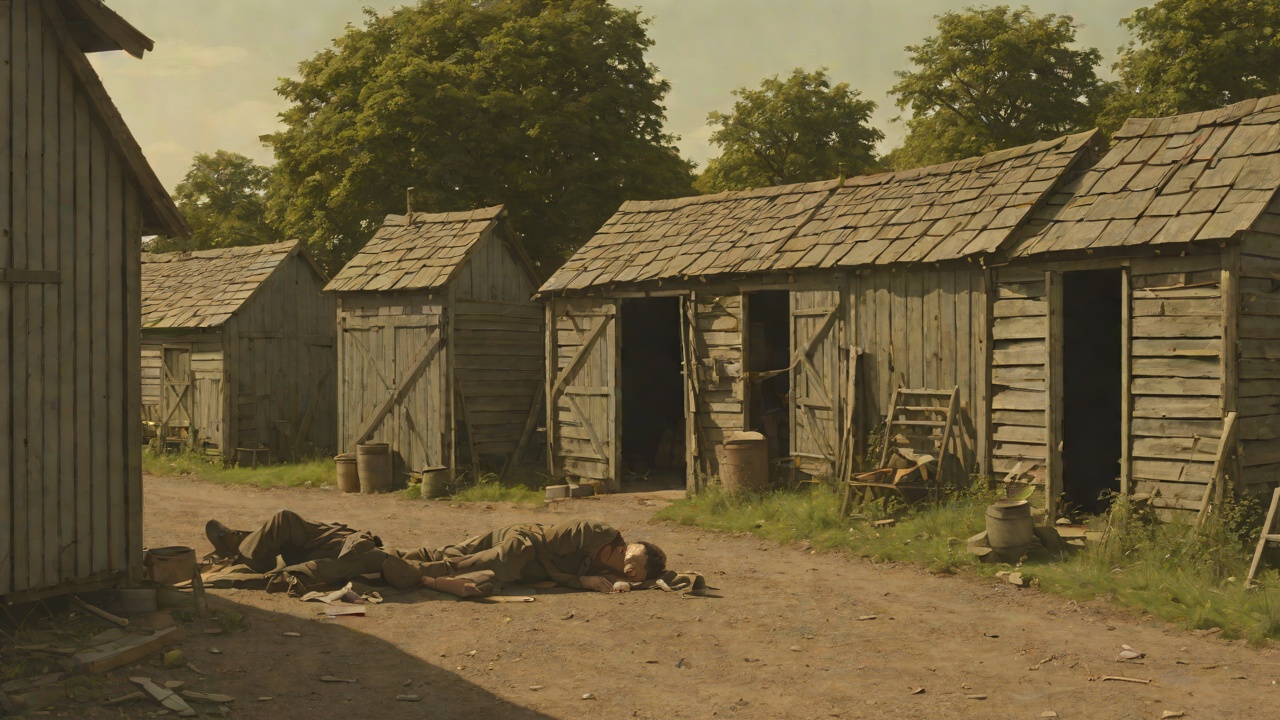
Harold moves from guesthouses to barns, woodsheds, bus shelters and fields. He learns to choose dry places and not to force locks.
The Outside Life
He washes in streams and public lavatories, eats hedgerow greens and wild mushrooms. The world of houses and cars becomes a memory.
The Shedding Of The Self
The more he lets go of comfort, the more he enters the present. He is no longer Harold Fry, retired man; he is a shape moving through the land, carrying only the blue tape on his shoes.
The Compass Lost
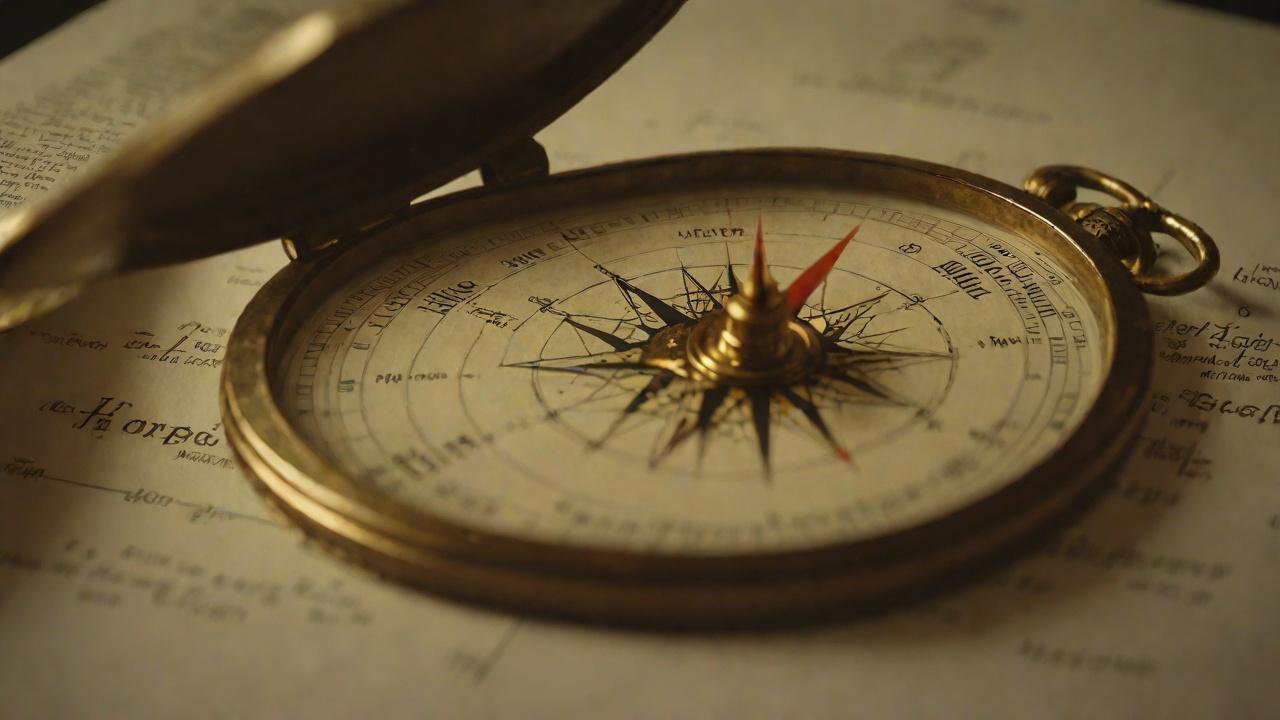
The Compass Lost
The Absent Weight
In his Wooler hotel room, Harold realizes Martina's brass compass is missing. He runs back to the phone box, but it is gone.
The Fear Of Losing The Essential
He fears that in mislaying the compass, he has lost an essential, steadying part of himself. The loss feels as vast as a presence.
The Final Letting Go
The compass was the last external guide. Now Harold must rely entirely on the road, on the sun, on Maureen's voice in his head, and on the rhythm of his feet. Letting go is complete.
Day one, leaving Kingsbridge
Near Cheltenham, after the barn
Day thirty, from Cheltenham
From Stroud onward
Wooler, the night before the last walk
