
Blame For David's Death
The Unlikely Pilgrimage of Harold FryThe long conflict over who failed David: Bantham, the marriage's accusations, the photograph of the supporting hand, and the final release.
increasing Bearing strength in each event
 decreasing
Bearing strength in each eventdecreasingThe Day At Bantham
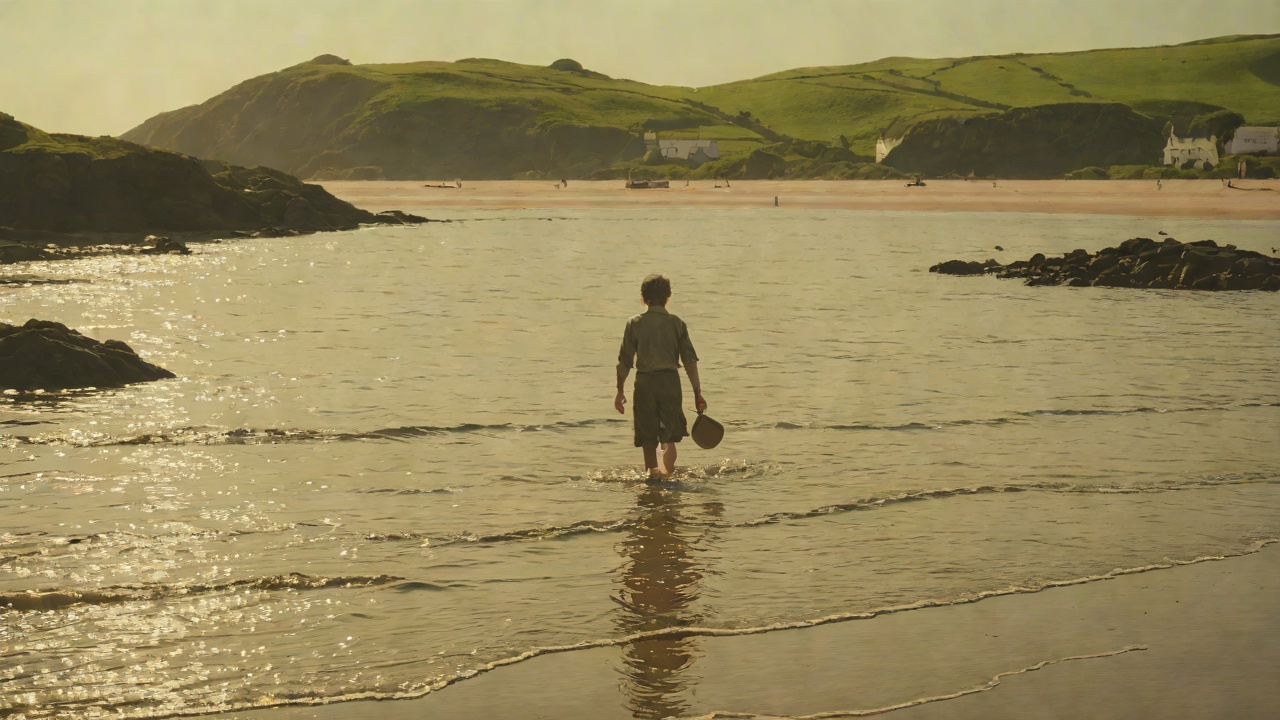
The Day At Bantham
The Swimming Boy
At Bantham beach, six-year-old David swims out into a dangerous current. Maureen screams from the shore, and Harold stops to unlace his shoes before a coastguard sprints past and saves the boy.
Why Did He Stop For His Laces
Harold knew what everyone was thinking: he stopped because he was terrified that when there were no more excuses, he would not be up to saving his son. The fear was visible to all of them.
The Seed Of Reproach
Years later, Maureen will accuse Harold of almost drowning their son. The beach becomes the first scene in a long archive of blame.
The Unspoken Accusation
The Unspoken Accusation
The Silent Reckoning
After David's death, Harold and Maureen stop talking about him. The phrase you never held him becomes the arrhythmia of their marriage.
The Spare Room Door
Maureen moves into the spare room after one violent argument. Neither of them mentions it, and she never moves back. The silence has an energy and violence of its own.
The Pillar Of Guilt
Harold carries the blame like a physical weight. Maureen carries her grief as a constant rehearsal of his failure. The house at Fossebridge Road becomes a museum of reproach.
You Never Held Him
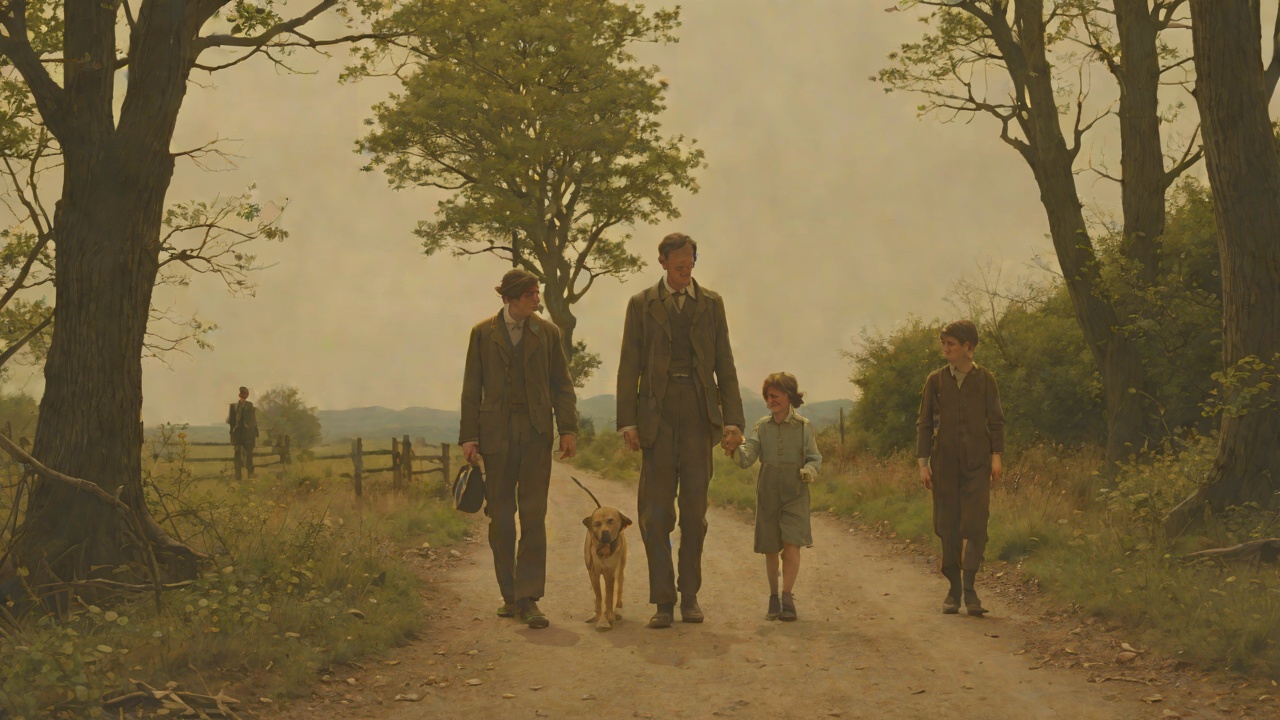
You Never Held Him
The Howl Of Fury
When things reach their worst, Maureen howls that Harold never held their son, that all his childhood he never touched him. Harold protests that it is not strictly true, but she is right in essence.
The Fear Behind The Hands
The truth is that Harold was too afraid to hold his own son. What his mother said of him as a boy was true: he is awfully tall, a shape that doesn't fit, a father who flinches at fragility.
The Reconciliation That Did Not Come
Maureen weeps in Harold's arms and apologizes, but the words are in the air when he is alone. There is no unsaying them. The blame is now part of the house.
The Photograph Of The Hand
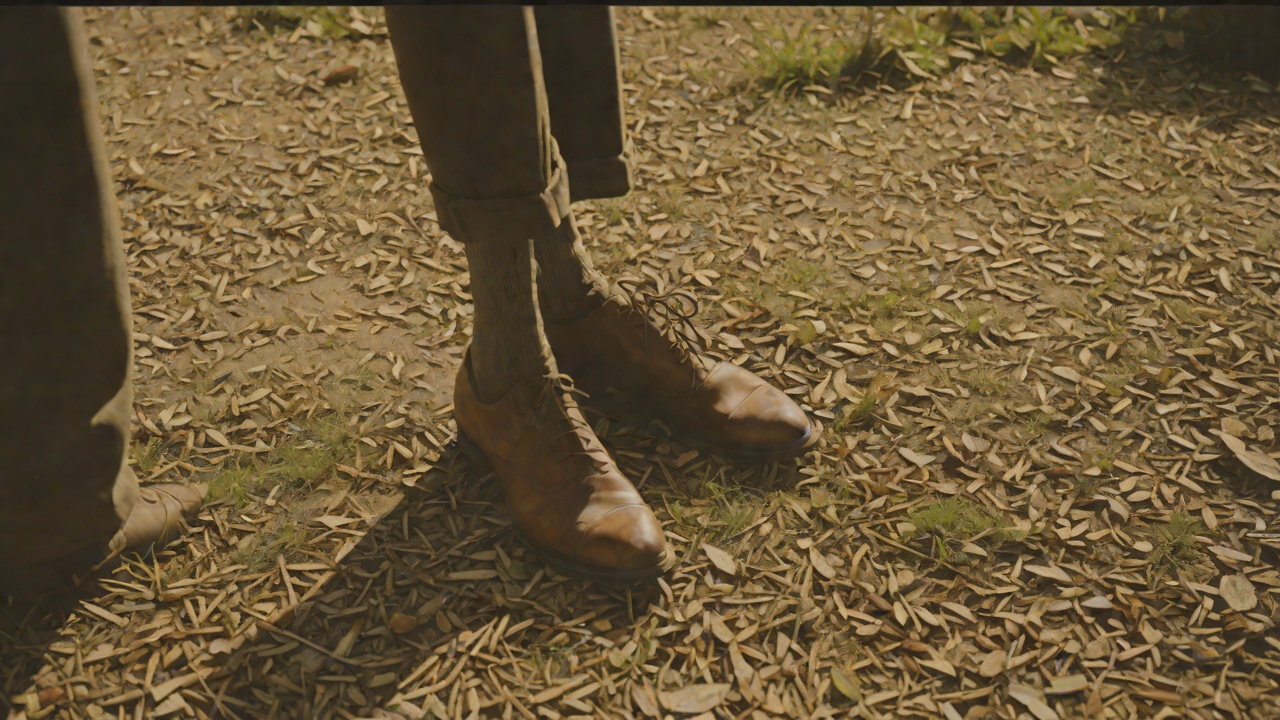
The Photograph Of The Hand
The Wrong Memory
Maureen finds the photograph of David in his first shoes, balancing on one leg. She has always assumed the supporting hand was hers. She looks again: it is Harold's.
The Years Of False Blame
Other photographs confirm it: David in Harold's lap, on his shoulders, peering over the goldfish pond. Harold had wanted closeness, and even David had tried.
The Turning Of The Glass
Maureen also remembers Bantham: a mother at the water's edge, shouting and waving but not running into the sea. She was equally to blame. The conflict of blame begins to crack.
Both Were To Blame
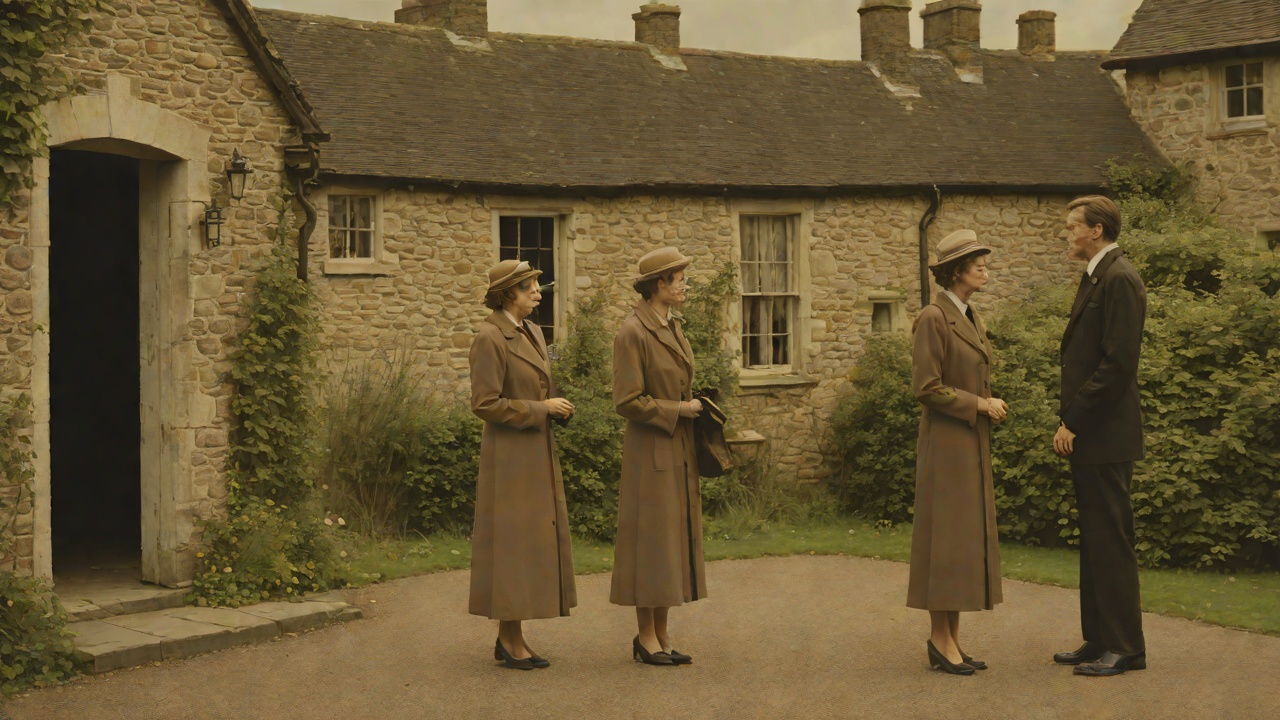
Both Were To Blame
The Confession Of A Mother
Maureen confesses to the garage girl that she suppressed Queenie's message, and says Harold was right to walk out on her. She finally sees her own hand in the ruin.
The Shared Pattern
Harold's failure to run into the sea and Maureen's failure to run after David are the same failure: the paralysis of grief. They have blamed each other for their own guilt.
The Door To Forgiveness
The blame is not erased, but it is shared and therefore less poisonous. Maureen can now tell Harold she was wrong, and Harold can stop carrying the whole weight of David's death.
David's childhood, six years old
The years after David's suicide
During the rupture before Queenie's disappearance
While Harold walks, when Maureen sorts the albums
After the garage girl's confession, before Berwick
