David Fry's near-drowning at Bantham
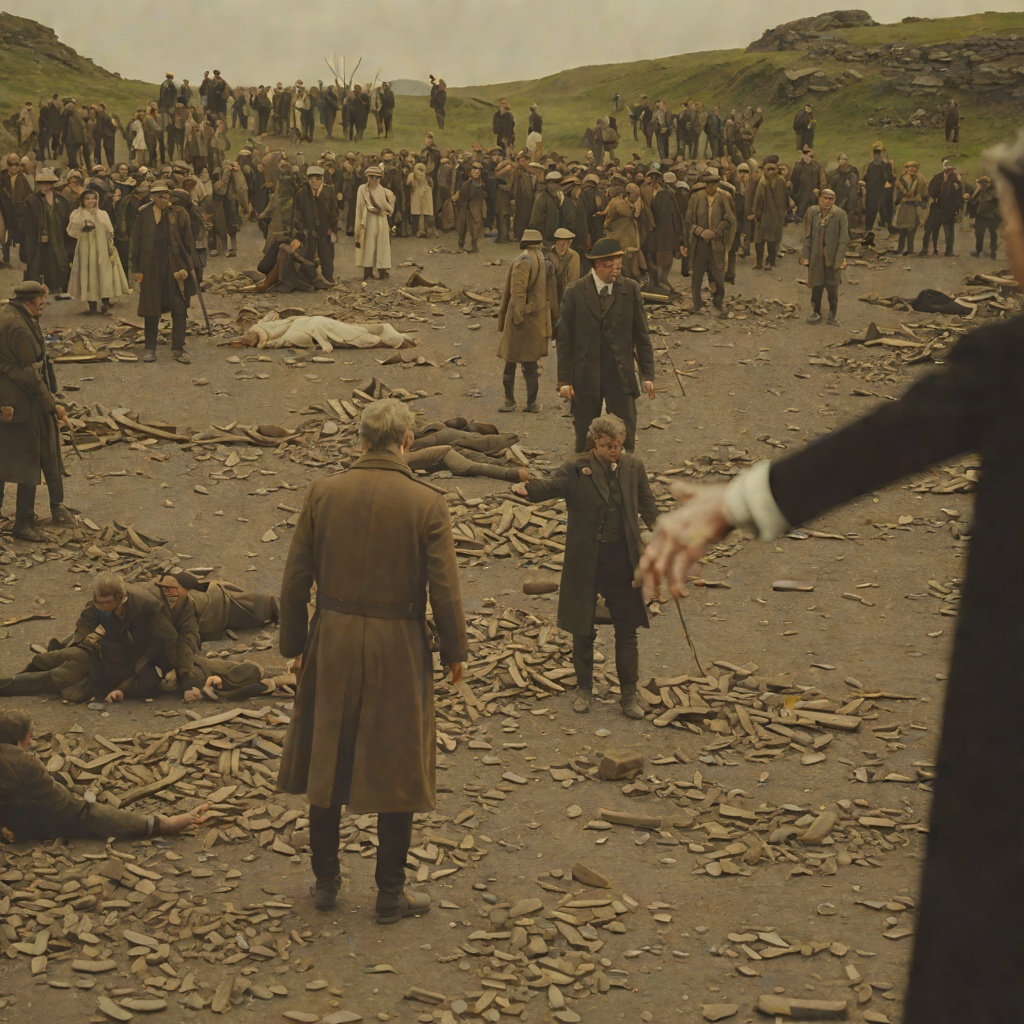
The Unlikely Pilgrimage of Harold FryDavid Fry's near-drowning at Bantham is the defining childhood trauma of The Unlikely Pilgrimage of Harold Fry, a single beach afternoon that crystallizes Harold's deepest failure as a father and haunts the rest of his life. The incident occurs when David is six years old, during a family trip to the beach at Bantham. David begins swimming out into the sea, and despite Maureen's frantic shouts to come back, the little boy's head only grows smaller as he continues into the water. Harold follows his wife to the water's edge but stops to unlace his shoes, and it is a coastguard who sprints past, tearing off his T-shirt and hurling it behind him, who plunges into the waves and carries David back to shore. The boy's ribs stick out like fingers and his mouth is blue. The coastguard, addressing Maureen rather than Harold, warns that there is a strong current out there, and Harold withdraws a step or two, his white canvas shoes shining wet in the sun.
The Moment of Paralysis
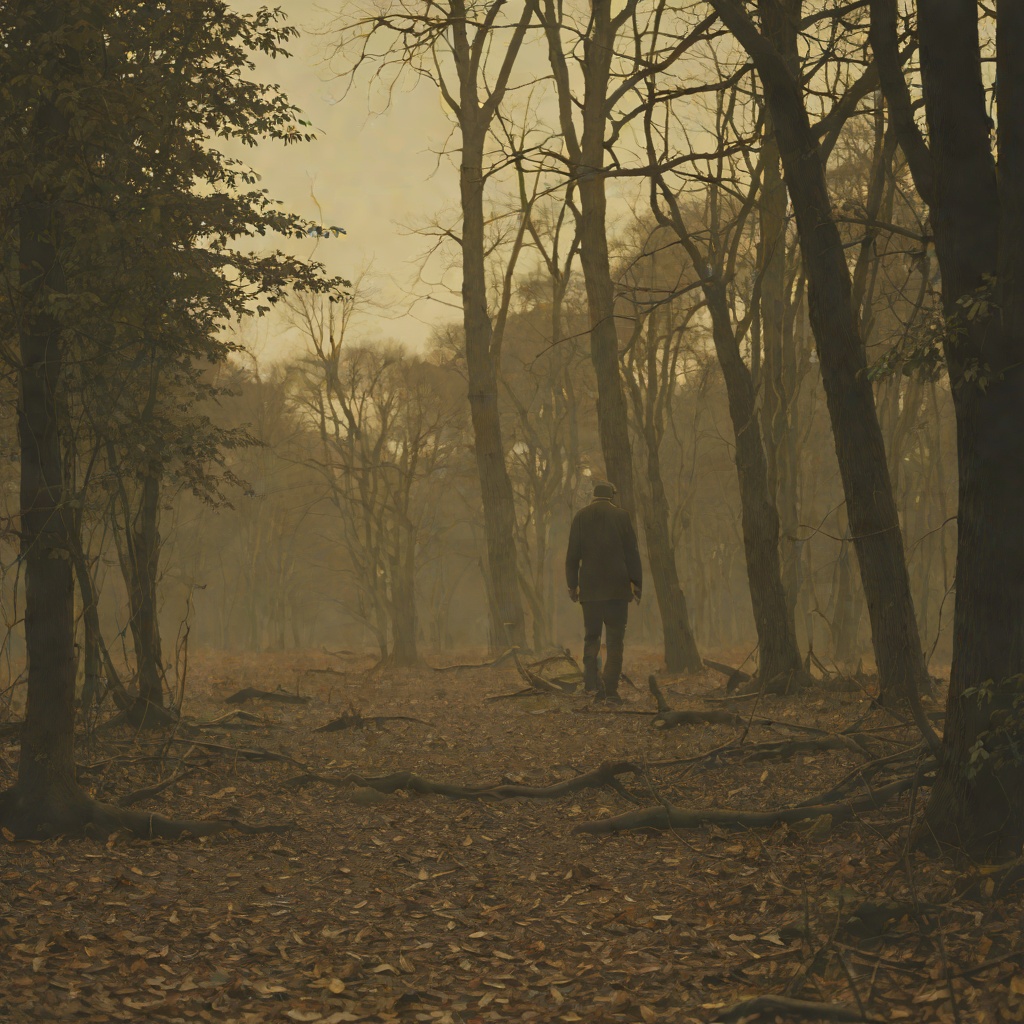
The near-drowning exposes a truth that Harold has never been able to face: he stopped for his laces because he was terrified that when there were no more excuses, he would not be up to saving his son. He knows that Maureen never said it, but he knows she was thinking it because he was thinking the same thing. The memory comes back to him whole years later, as he walks through the Devon countryside on his pilgrimage, and he realizes that everyone knew the truth of his cowardice — Harold, Maureen, the coastguard, and even David himself. Years later, Maureen would accuse him of almost drowning their son, and the accusation becomes one of the fixed points of their estranged marriage. The incident also establishes a pattern of Harold's paralysis in moments of crisis, a pattern that will repeat itself when David later hangs himself in the garden shed and Harold is too late to save him.
The Aftermath and David's Recollection
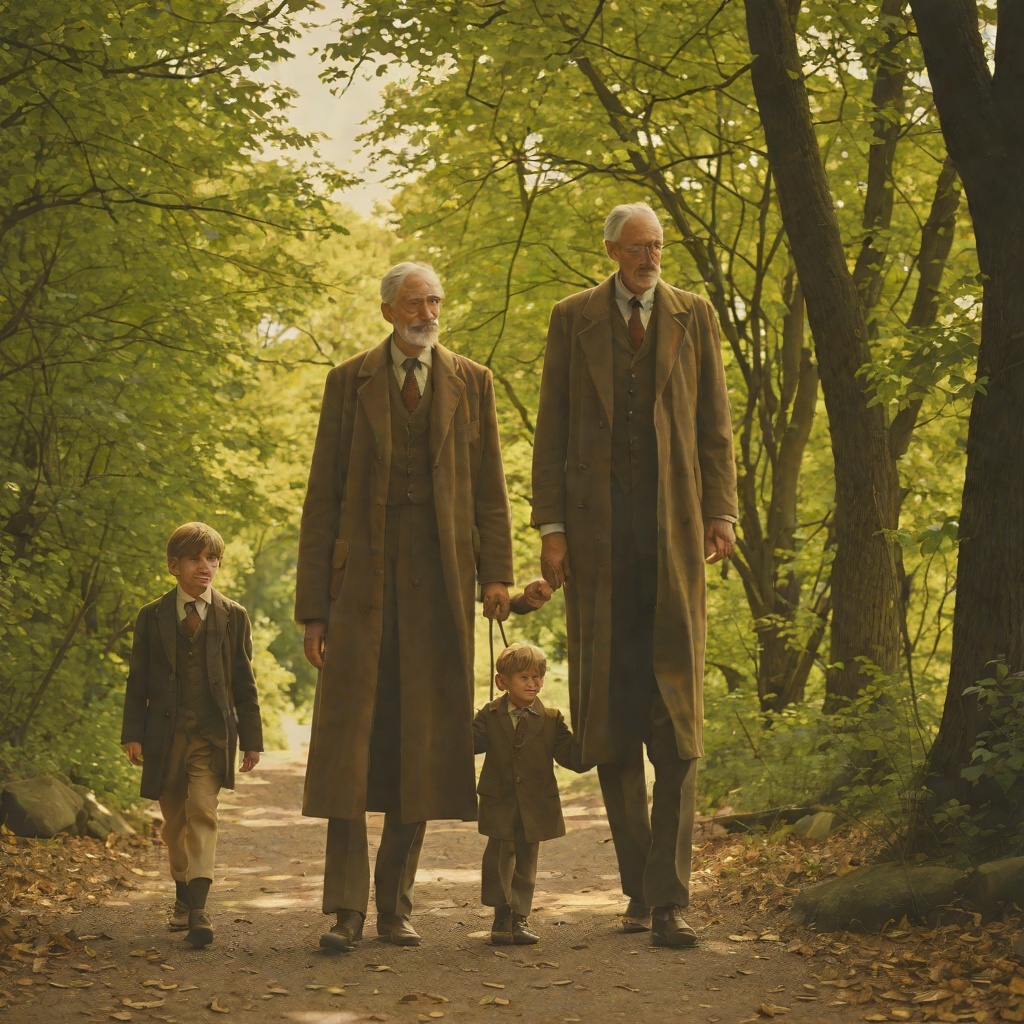
The near-drowning does not end on the beach. Years later, when David is a young teenager, Harold asks him why he kept swimming that day, whether he could not hear them calling. David gazes back at Harold with his beautiful brown eyes, half-boy, half-man, and shrugs, saying he was already in shit and it seemed easier to stay in it than come back. When Harold tells him it is better not to swear, especially in his mother's hearing, David tells him to bug off. The exchange reveals that David has carried the memory of his own near-death as a kind of resignation, an early acceptance of being in trouble that foreshadows his later depression and addiction. Harold wonders why he is remembering all this — his only child ploughing an escape into the sea, and telling him years later to bug off — and the pictures come to him as if they were part of the same moment, points of light dropped on the sea like rain while David gazes at him with an intensity that seems to undo him.
Maureen's Reinterpretation
Maureen's memory of the Bantham day is initially one of blame directed entirely at Harold. She spends years rebuking him for fiddling over his laces while their son swam out into the current. But during Harold's pilgrimage, as she sits with the photograph albums that no one looks at, she sees the image through a new perspective, as if she has turned the camera and pointed it back on herself. She sees a woman at the water's edge, shouting and waving her hands, but not running into the sea — a mother half mad with fright, but doing nothing about it. Her stomach jumps with the recognition that if David had almost drowned at Bantham, she had been equally to blame. This moment of self-confrontation is a turning point in Maureen's grief, breaking the long habit of casting Harold as the sole villain and opening the possibility of their eventual reconciliation.
The Memory's Persistence
The Bantham near-drowning is one of the memories Harold most fears, one he is normally so good at repressing. It surges into his mind unbidden as he walks, and he cannot hide from it even by thinking of Queenie. The memory of the beach is entangled with the memory of the afternoon twenty years ago when it all came to an end — the day he discovered David's body in the garden shed. The two traumas are linked in Harold's mind: the boy who swam out into the current and the man who hanged himself with rope tied to one of the hooks used for garden tools. The near-drowning is the first instance of Harold being too late, of his paralysis costing him his son, and it prefigures the final, irreversible failure. The memory of the funeral director's visit, when Maureen went in alone to say goodbye to David in the coffin while Harold sat outside with his head in his hands, waiting his turn, is another echo of the same helplessness. The Bantham incident thus becomes the origin story of Harold's guilt, the moment that explains why he drinks, why he lets Queenie take the blame for his vandalism of the brewery, and why he must walk to Berwick to save Queenie — a chance to be in time for once, to keep walking when he once stopped for his laces.