Harold Fry and Maureen Fry
The Unlikely Pilgrimage of Harold FryHarold Fry and Maureen Fry are the married couple whose relationship forms the emotional backbone of the novel. Their marriage, once happy and complicit, is shattered by the suicide of their only son, David, and the years of silence and blame that follow. The story of their estrangement and slow, tentative reconciliation is interwoven with Harold's pilgrimage, making their relationship the novel's central drama of loss, guilt, and the possibility of renewal. Their journey together—from the separate beds of Fossebridge Road to the shared laughter on a Berwick beach—charts the novel's deepest concerns with memory, atonement, and the small miracles of ordinary life.
The Marriage Before the Fall
In the early years, Harold and Maureen were happy. They met at a dance in Woolwich, where the wild young Harold danced 'like a demon' and filled Maureen 'with the chaos of love.' This memory of vitality and connection would later become a painful contrast to their frozen, silent life together. Even as their son David grew and began to cause a rift, it was a 'complicit' one. They developed a code of unspoken avoidance: when Maureen asked where David was, Harold would reply that he had heard the front door shutting as he cleaned his teeth, and she would say 'Ah yes,' to show it wasn't a problem that their eighteen-year-old son had taken to wandering the streets at night. They protected each other from their private fears, and in those days, Maureen still cooked and still shared Harold's bed.
This fragile peace could not hold. Just before Queenie's disappearance, things 'finally ripped open and splintered apart.' Maureen railed, sobbed, and beat his chest with her fists, howling, 'Call yourself a man?' and 'It's your fault. All this. It would have been fine, if it hadn't been for you.' Though she wept in his arms afterwards and apologized, the words hung in the air, and there was no unsaying them. The talking, the shouting, and the catching of his eye all stopped. This new silence was different from before; there was nothing left to salvage. She no longer blamed him, but she wouldn't allow him the comfort of holding her. She moved her clothes into the spare room, and he lay in their marital bed, tortured by her sobs, not going to her because she didn't want him. They used the bathroom at different times, and she paced from room to room as if he was not there, as if never keeping still was the only way to contain her feelings.
The Silence of Grief
The silence that descended on their marriage was a direct consequence of David's death. Harold's confession letter to the garage girl reveals the full horror of that day: David, depressed and addicted to mixing alcohol with pills, hanged himself in the garden shed with rope tied to one of the hooks Harold used for garden tools. It was Harold who discovered him, and he was too late. The coroner's verdict was suicide. Maureen took it terribly. She wouldn't leave the house and put up net curtains so the neighbours couldn't pry. Gradually, those people moved away, and no one knew about them or what had happened. But every time Maureen looked at Harold, he knew she saw David dead. She began talking to him, saying he was with her, and she was always waiting for him. She kept his room exactly as it was the day he died, unable to let him be dead. Harold understood this was too much for a mother to bear, even as it made him sad all over again.
The memory of the funeral director's visit was one Harold most feared. He lived again the afternoon he had driven Maureen to see David one last time in the coffin. She had packed a few things: a red rose, a teddy bear, and a pillow to go beneath his head. In the car, she had asked Harold what he was going to give, knowing he had nothing. The sun had shone very low, torching his eye as he drove. They both wore sunglasses, and even at home, she didn't take them off. At the funeral director's, she surprised him by saying she wanted to say goodbye to David alone. He sat outside with his head in his hands, waiting his turn, until a passer-by stopped to offer a cigarette. Harold took it, although he had not smoked since the days on the buses. His fingers shook so hard the passer-by used three matches to light it. Then, from behind him, the air was pierced with a harsh, deep sobbing cry, so animal in its intensity he was struck still.
The Walk as a Bridge
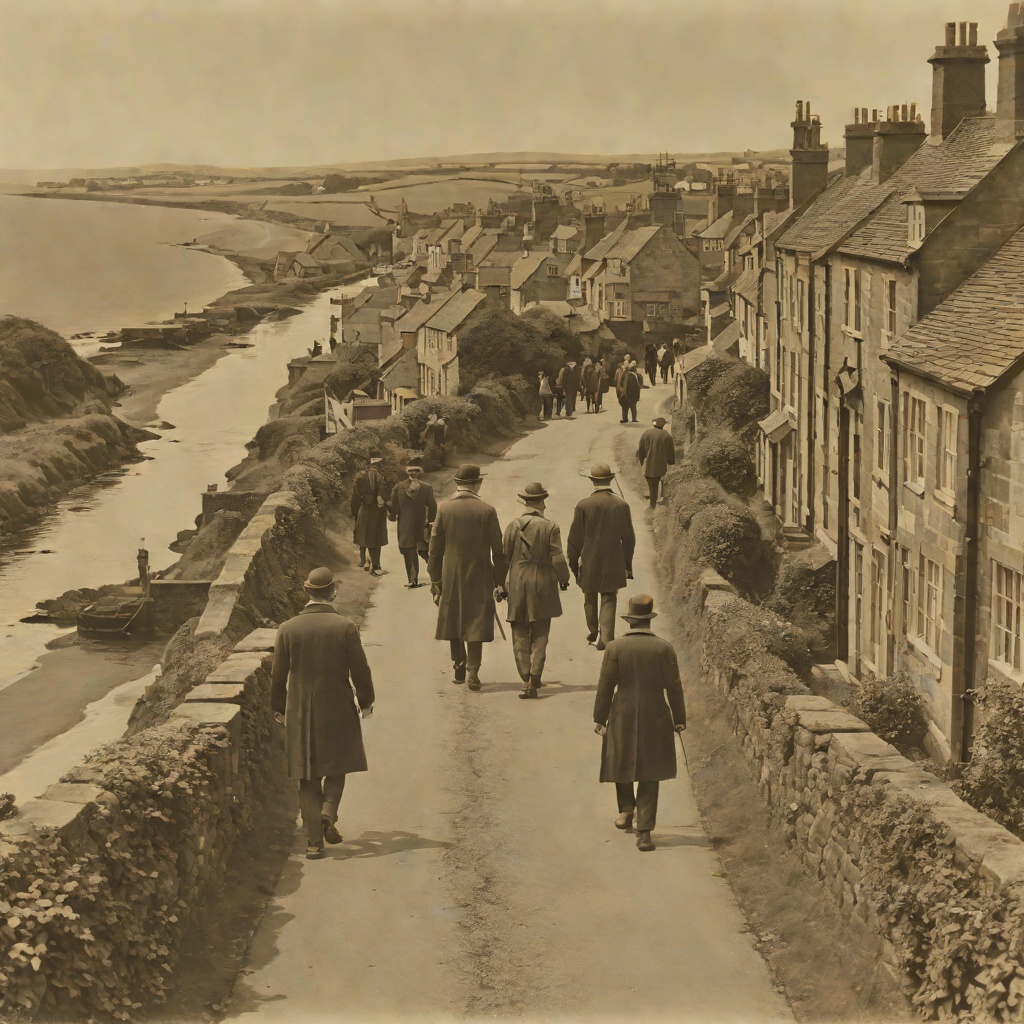
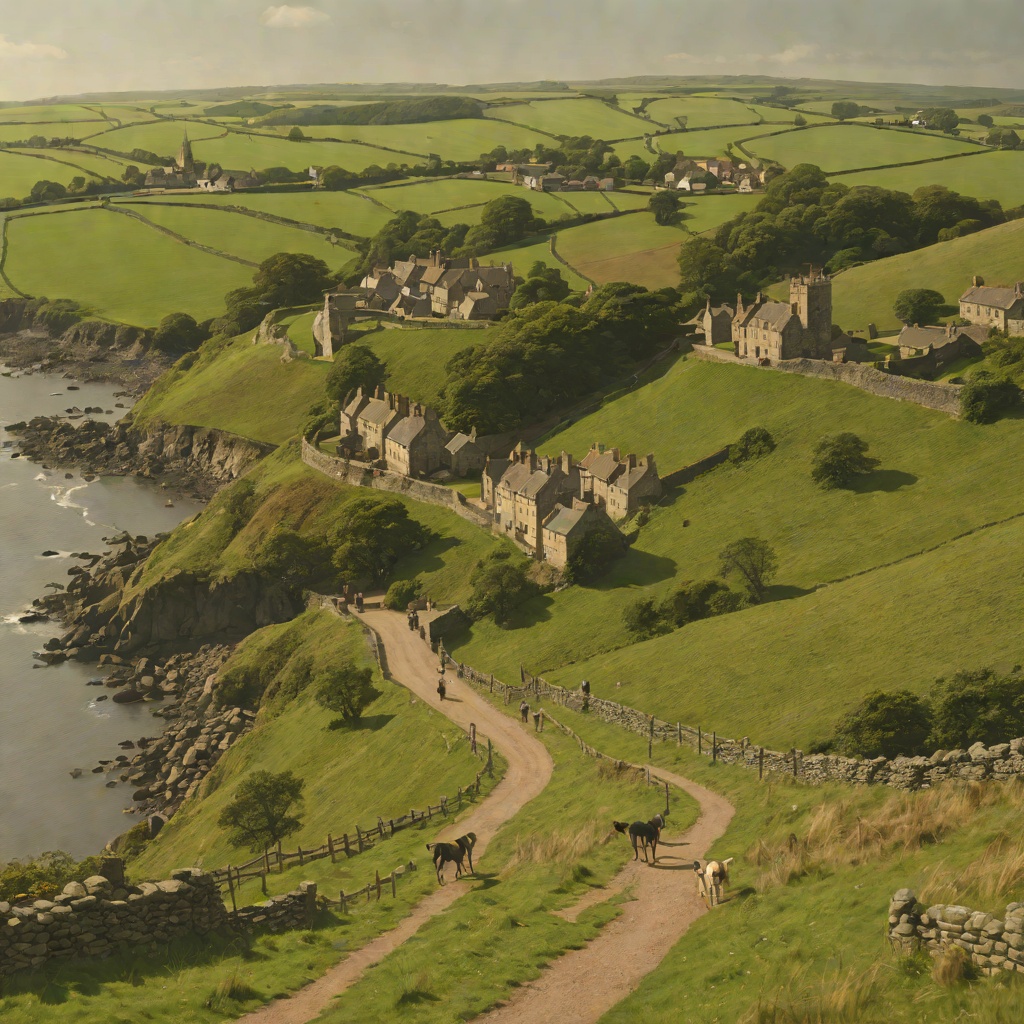
Harold's decision to walk to Berwick-upon-Tweed was made in a single moment, with no deliberation or reasoning. Standing in a phone box, he pictured Queenie dozing at one end of England and himself at the other, with roads, fields, rivers, woods, moors, peaks and valleys, and so many people in between. He was laughing at the simplicity of it. He told the voice on the phone, 'Tell her Harold Fry is on his way. All she has to do is wait. Because I am going to save her, you see. I will keep walking and she must keep living.' This act, born of faith, became the first step toward breaking the silence with Maureen. When he called her from Loddiswell, she said only, 'It has to be,' and then hung up. He wished he could make her understand, but for years they had been in a place where language had no significance. She only had to look at him and she was wrenched to the past. They hovered over the surface of what could never be said.
As Harold walked, he began to change, and this change slowly reached Maureen. He learned that it was the smallness of people that filled him with wonder and tenderness, and the loneliness of that too. He could no longer pass a stranger without acknowledging the truth that everyone was the same, and also unique. He walked so surely it was as if all his life he had been waiting to get up from his chair. Maureen, back home, felt the shift. She told him on the phone that she had moved out of the spare room and returned to the main bedroom. He had spent so many years sleeping alone, he was surprised at first, and then he was glad because it was the larger and more pleasant of the two and enjoyed the wide view over Kingsbridge. But he assumed this also meant she had packed his things and carried them to the spare room. Her voice crept under the silence: 'I've been thinking of when we first met.'
The Meeting in Darlington
Their first face-to-face meeting since the walk began came in Darlington, where Maureen had travelled with Rex. She joined a small crowd watching a photoshoot for the tourist board. Catching sight of Harold as if she were no more than a stranger, Maureen was disarmed. She had seen him on the local news and kept the newspaper clippings in her handbag, but none of it had prepared her for seeing him 'in true life.' Looking at this weather-beaten pirate of a man, with his skin like dark leather and his curling hair, she felt she had become both one-dimensional and more fragile. It was the pared-down vitality of him that made her tremble; as if he had at last become the man he should have been all along. His pilgrim T-shirt was stained and frayed at the neck, and the colour was gone from his yachting shoes. Harold caught her eye, stopped short, and broke free from the crowd. As he walked towards her he laughed so openly she had to look away, unable to meet the fullness of his smile. She didn't know whether to offer him her lips or her cheek, and at the last minute she changed her mind so that he kissed her nose instead and prickled her face with his beard. 'Hello, Maureen,' he said, his voice deep and assured. 'What brings you all the way to Darlington?' 'Oh,' she shrugged. 'Rex and I fancied a drive.'
Reconciliation at the Water's Edge
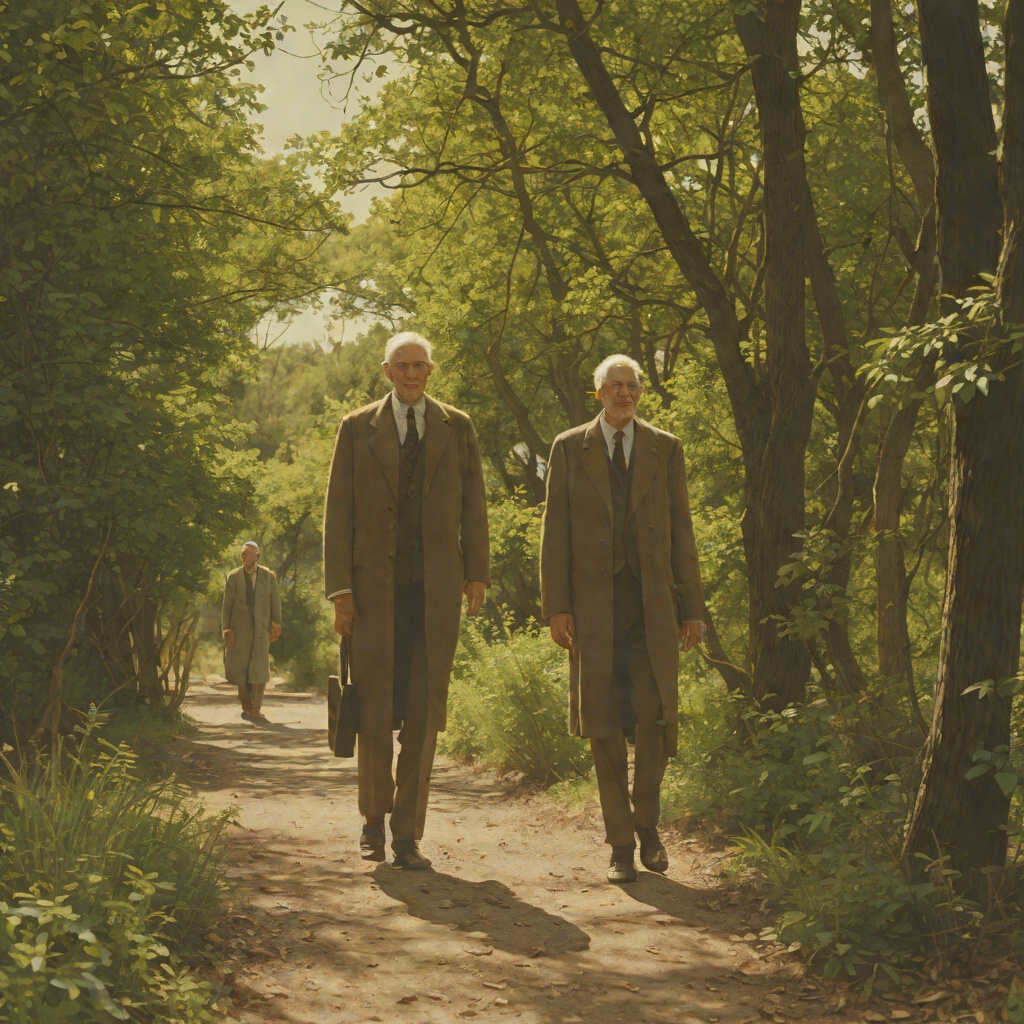
After Harold's arrival at St Bernadine's Hospice and Queenie's death, Harold and Maureen's reconciliation deepened. At the water's edge, they shared a moment of profound connection. When she met his gaze, it was naked. He held her eye, and she held his, and the years fell away. Maureen saw again the wild young man who had danced like a demon all those years ago, and filled every vein of her with the chaos of love. She considered all the things that must happen from here—regular visits to the GP, colds that turned to pneumonia, blood tests, hearing tests, eye tests, maybe operations, and then a day when one of them was alone for good. She shivered; it was too much to bear. 'One day at a time,' she murmured, and moved close to Harold, lifting her arms. 'Oh Maw,' he cried quietly. Maureen held him tight until the grief passed. 'You dear man,' she said, groping for his face with her mouth and kissing his salty wet cheeks. 'You got up, and you did something. And if trying to find a way when you don't even know you can get there isn't a small miracle, then I don't know what is.' She cupped his face in her palms, and whispered, 'I love you, Harold Fry. That is what you did.'
Their new closeness was sealed with shared laughter. They tried to say something but couldn't get it out; each time they opened their mouths it was so hilarious they were hit by a fresh wave of helpless laughter. They had to grip hands to steady themselves. 'Oh God,' she spluttered, 'oh God. It wasn't even very witty.' They hung on to one another's arms, bent over, shaking with how funny it was. 'People will think we're having a joint heart attack,' she roared. 'You're right. It wasn't even funny,' said Harold, wiping his eyes with his handkerchief. 'That was the thing, love. It was ordinary. It must have been funny because we were happy.' They caught hands again and walked towards the water's edge, two small figures against the black waves, not letting go, and rocked with laughter. The ordinary, the mundane, had become the ground of their renewed happiness—a small miracle born of a long walk and a deeper faith.