Harold Fry and Queenie Hennessy
The Unlikely Pilgrimage of Harold FryHarold Fry and Queenie Hennessy are former colleagues at a brewery whose lives are bound by a single act of kindness, a shared secret, and a pilgrimage that spans the length of England. Their relationship, marked by silence and unspoken regret, becomes the catalyst for Harold's transformative walk from Kingsbridge to Berwick-upon-Tweed, a journey undertaken to save Queenie from cancer. The narrative traces their first meeting in a stationery cupboard, Queenie's selfless sacrifice for Harold's vandalism, and their final reunion at St Bernadine's Hospice, where Harold's arrival allows Queenie to die in peace. Their story explores themes of atonement, faith, and the redemptive power of human connection.
Origins and the Stationery Cupboard
Harold and Queenie first met at the brewery where both worked, a meeting that Harold later recalled with a laugh as 'rather funny because we first met in a stationery cupboard.' Queenie was a stout, plain-looking woman with no waist and a handbag tucked over her forearm, a marked departure from the barmaids and secretaries that Mr Napier typically employed. She had applied for a job that no one else would have taken, and her presence at the brewery was a novelty. Their connection deepened when Harold found Queenie upset in the stationery cupboard and offered her kindness. She later thanked him for that moment, saying, 'I was very upset. You were kind to me. I should have said thank you before but I was embarrassed. That was wrong.' Harold, uncomfortable with gratitude, muttered something awkward about it being a pleasure, but the memory stayed with him for years.
The Secret and the Sacrifice
The pivotal event in their relationship occurred twenty years before the novel's present, when Harold, in a state of despair following his son David's suicide, broke into the brewery and vandalized Mr Napier's office. Queenie knew it had to be Harold and took the blame, a sacrifice that cost her her job. She was fired on the spot and disappeared, warned to get out of the South West. Harold let her go, let her take the blame, and never saw her again until his pilgrimage. He later confessed in a letter to the garage girl that Queenie knew all about David's death but never said anything; instead, she looked out for him, fetching tea with sugar and talking about the weather. Only once did she say, 'Maybe you've had enough now, Mr Fry,' a gentle acknowledgment of his drinking. Harold's guilt over letting Queenie take the blame haunted him, and he wondered why she had done it and whether she understood how much he regretted what he had done.
The Pilgrimage and the Promise
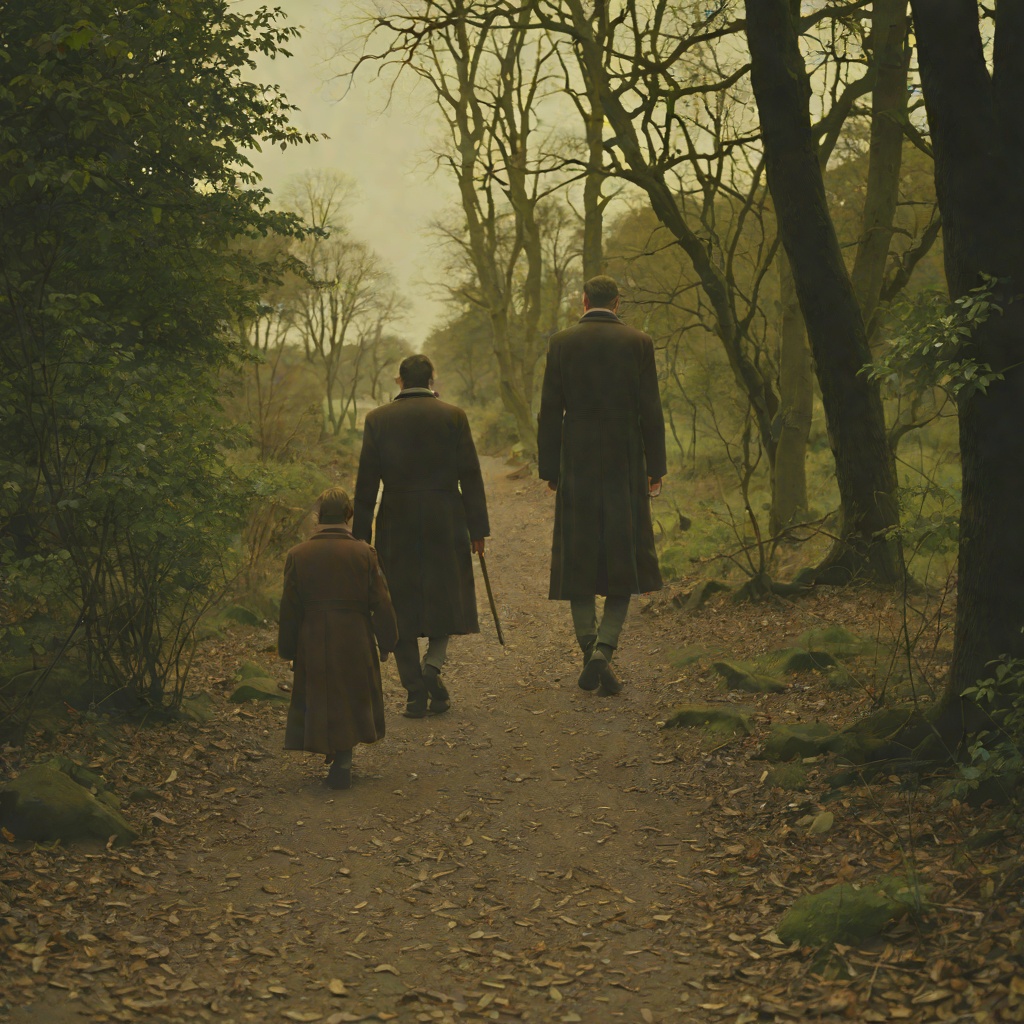
Years later, Harold received a letter from Queenie, who was dying of cancer in St Bernadine's Hospice. Without deliberation, he decided to walk the entire length of England to see her, driven by the belief that as long as he walked, she would live. He called the hospice and left a message: 'Tell her Harold Fry is on his way. All she has to do is wait. Because I am going to save her, you see. I will keep walking and she must keep living.' This promise became the engine of his journey, a physical and emotional odyssey that transformed him. Along the way, he shed his possessions, gave away his wallet and watch, and walked in his yachting shoes, bound by the conviction that his walk was a matter of life and death. He measured his progress not in miles but in memories, and the past he had spent twenty years avoiding surged through his mind with wild energy.
The Reunion at St Bernadine's
When Harold finally arrived at St Bernadine's Hospice, he was confronted with a Queenie he barely recognized. Her hair was thin and white like a seedhead in a hedgerow, her neck bandaged, her body making almost no shape against the sheets. She looked like someone he had never met, a ghost, a shell. He sat at her bedside, awkwardly making small talk, mentioning that his wife Maureen sent her regards, and offering to hang up the rose quartz pendant he had brought, which was supposed to have healing powers. Queenie's opened eye met his, but she said nothing. Harold felt the stir of old emotions and images from the past, buried for all this time, and he struggled to breathe. He lived again the afternoon he had driven Maureen to the funeral director's to see David one last time, and the memory of Queenie's sacrifice weighed on him. Yet in that silent room, something passed between them. Queenie, drifting in and out of consciousness, remembered that Harold Fry had come to say goodbye, and she felt something opening like a flower in her head as she let go of life. Their reunion, though wordless, was a completion of their story, a final act of presence that allowed Queenie to die in peace.
The Meaning of Their Bond
Harold and Queenie's relationship is defined by what is unspoken: the kindness in a stationery cupboard, the sacrifice that went unacknowledged, the guilt that Harold carried for twenty years. Their bond is one of quiet understanding and mutual redemption. Queenie's act of taking the blame for Harold's vandalism was not just a sacrifice but a gift, one that allowed Harold to give up drinking and begin the long, painful process of facing his grief. In walking to see her, Harold was not only trying to save Queenie but also to atone for his past failures. Their story illustrates the novel's central themes of atonement, faith, and the redemptive power of human connection. As Harold walked, he learned that it was the smallness of people that filled him with wonder and tenderness, and that everyone was the same and also unique. His journey to Queenie became a pilgrimage not just to a dying woman but to his own humanity, and in the end, their meeting at St Bernadine's was a testament to the enduring power of a single act of kindness.