Harold Fry's promise to Queenie Hennessy
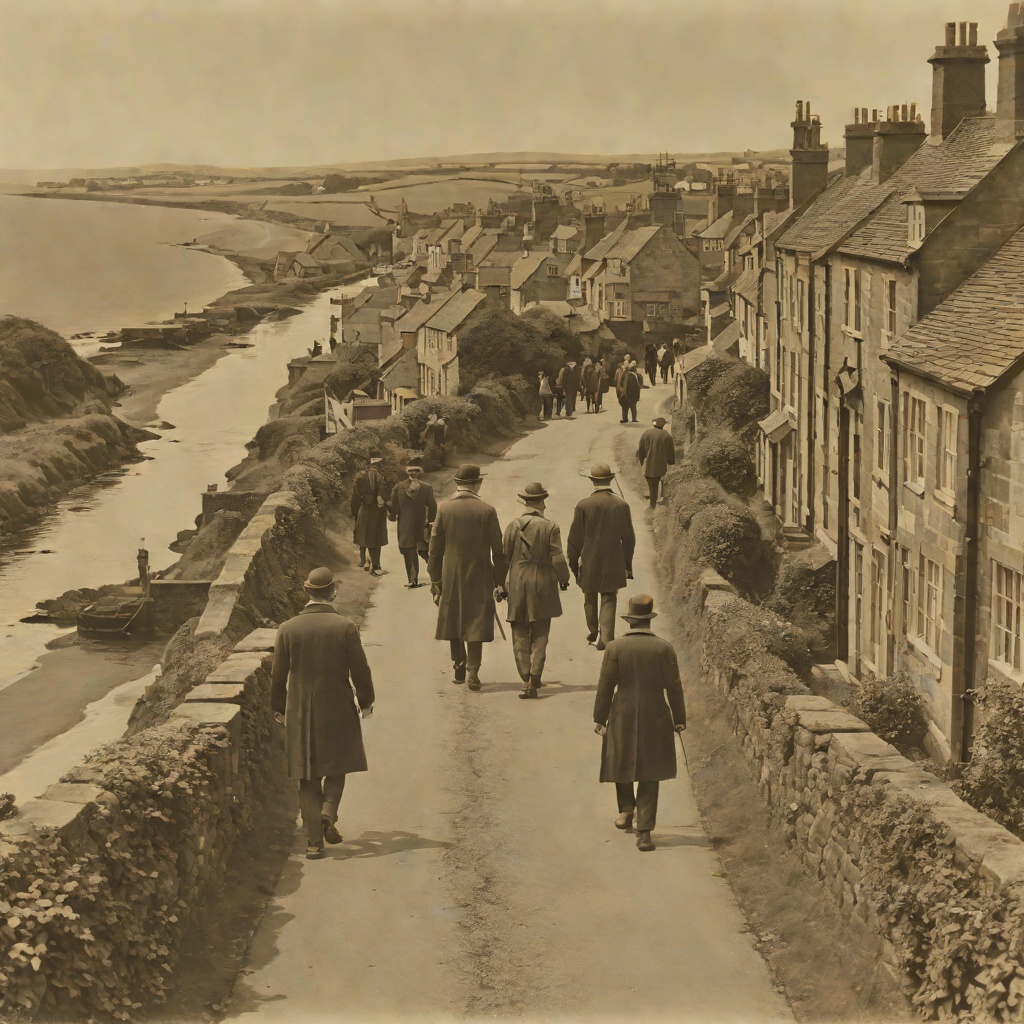
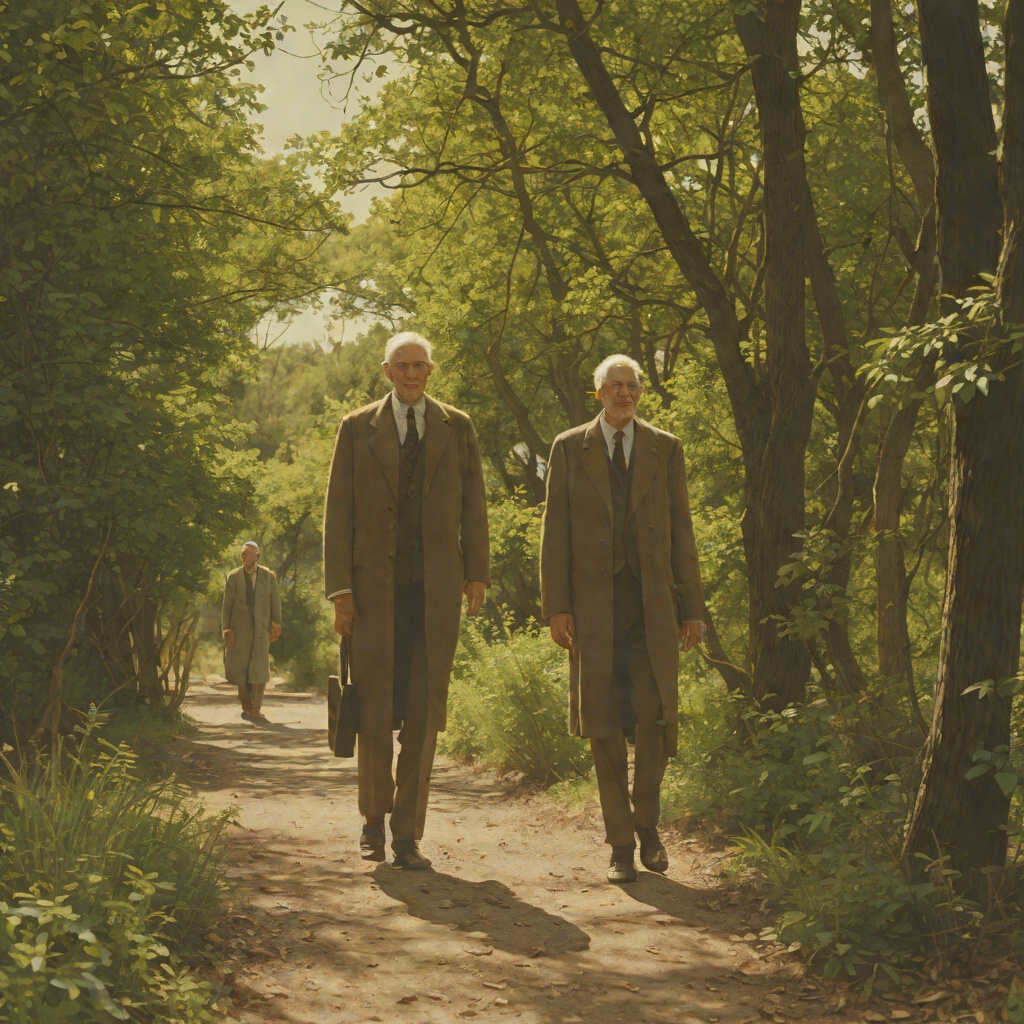
The Unlikely Pilgrimage of Harold FryHarold Fry's promise to Queenie Hennessy is the single act from which the entire novel unfolds. Made on impulse in a telephone kiosk, the vow that he will walk from Kingsbridge to Berwick-upon-Tweed so that Queenie will stay alive converts an ordinary, retired man into a pilgrim and sets in motion a journey that reshapes his marriage, his memory, and his sense of self. The promise is less a reasoned decision than a revelation: it arrives in the same moment as the idea, with no deliberation, and Harold is laughing at the simplicity of it. It is the book's generative event, the cause from which all other consequences flow.
The Making of the Promise
The promise is born in a single telephone call. After receiving Queenie's letter, Harold finds the address and number, but his fingers shake so hard he can barely tap the buttons to enter his pin code. A trickle of sweat slides between his shoulder blades as he waits. After ten rings there is a clunk and a heavily accented voice answers: 'St Bernadine's Hospice. Good afternoon.' When Harold asks to speak to Queenie Hennessy, the woman makes a sound like a long sigh, and Harold's spine chills; he is certain Queenie is dead and he is too late. But the voice explains that Miss Hennessy is asleep and offers to take a message. Standing in the phone box, Harold pictures Queenie dozing at one end of England and himself at the other, with roads, fields, rivers, woods, moors, peaks and valleys, and so many people in between. The decision comes in the same moment as the idea. He tells the voice, 'Tell her Harold Fry is on his way. All she has to do is wait. Because I am going to save her, you see. I will keep walking and she must keep living.' He insists he is not in a car: 'I want her to live.' When the voice asks if there is anything else, he repeats the core of his vow: 'I'm setting off right now. As long as I walk, she must live. Please tell her this time I won't let her down.'
The Vow Takes Physical Form
After hanging up, Harold's heart pounds so fast it feels too big for his chest. With trembling fingers he unpeels the flap of his own envelope, pulls out the reply he had written, and scribbles a PS against the glass of the kiosk: 'Wait for me. H.' He posts the letter without noticing its loss. Stepping out, he stares at the ribbon of road ahead, the glowering wall of Dartmoor, and the yachting shoes on his feet, and asks himself what in heaven's name he has just done. Overhead a seagull cracks its wings and laughs. The promise immediately acquires physical weight: that night in a small hotel with palm trees cowering from the coastal wind, Harold leans against the headboard, crooks his left knee, and inspects his feet with his reading glasses, finding them soft and pale, tender around the nails, with a possible blister forming at the top of his heel. He performs the same slow inspection of his right foot and pronounces, 'Not bad.' A few plasters and a good breakfast, and he will be ready. He imagines the nurse telling Queenie that he is walking and that all she has to do is keep living.
The Promise as a Bond Between Harold and Maureen
The promise immediately becomes a point of conflict between Harold and his wife. When he telephones Maureen from a phone box outside the pub at Loddiswell, nearly five miles from home, he sounds pleased, and she feels more indignant than relieved. He tells her, 'I've made a promise to walk, Maureen. All the way to Berwick.' She cannot believe it: 'Walk? To Berwick-upon-Tweed? You?' He finds this very funny. She reminds him he is sixty-five, that he only ever walks to get to the car, that he has left his mobile phone, and asks where he thinks he will sleep. His laughter stops and his voice sounds stripped away: 'I don't know. But it isn't enough to post a letter. Please. I need to do this, Maureen.' The way he appeals to her, adding her name childlike as if the choice were hers when he has clearly already decided, ignites her anger. She tells him to head off to Berwick if that is what he wants, adding that she would like to see him get past Dartmoor. After the call, Maureen gropes her way into the hall chair; the silence seems to eat up everything else. The words Harold, Burger, Walk roll around her head, and in their midst come two more: Queenie Hennessy. The memory of something long buried shivers deep inside her. Later, when Harold asks if it is OK with her that he is walking, she answers, 'It has to be,' and hangs up. The promise thus becomes the wedge that forces the couple's buried history to the surface.
The Promise Sustains the Journey
As the walk continues, the promise becomes Harold's private creed, the thing that keeps him moving when his body fails and his faith wavers. When a stranger stops to warn him that nobody should be out in such weather, Harold straightens up and says, 'I made a promise. But I am grateful to you for noticing me.' He asks himself whether he was foolish to refuse help, knowing that the longer he takes, the more unlikely it is that Queenie will keep living, and yet he is certain she is waiting. If he fails in his share of the bargain, albeit one without logic, he is afraid he will not see her again. The promise also shapes his relationship to the objects he carries and the people he meets. Martina, who nurses his feet and gives him her partner's walking socks, blue duct tape, an empty rucksack, and a brass compass, sends him off with a kiss and the words 'Go well, Harold.' In Cheltenham, Harold gives away his washing powder, his wind-up torch, his plasters and antiseptic cream, his comb, his guide to Britain, and even his plant dictionary, keeping only the compass and rucksack because they are not his to give away. He rewraps the gifts for Queenie and parcels up souvenirs for Maureen. The promise is what makes sense of this renunciation: he must remain true to the feeling that inspired him in the first place, keep to the roads, stick to his yachting shoes, and follow the map in his mind made up of all the people and places he has passed.
The Promise Tested and Fulfilled
The promise reaches its crisis near the end of the journey. At his lowest point, Harold telephones Maureen and confesses, 'I can't do it. I was wrong.' But she will not hear it. Her voice rises in pitch: 'Keep walking. It's only sixteen more miles to Berwick. You can do it, Harold. Remember to stay on the B6525.' She tells him Queenie is still alive, that she is waiting, and that Rex and she have checked the weather forecast and found happy sun shapes all over the United Kingdom. Harold does not know how to say what he is feeling, so he hangs up. The promise, which began as his own, has become theirs. When Harold finally reaches Queenie and she dies, the vow's deeper meaning is revealed through Maureen. Holding him as the grief passes, she kisses his salty wet cheeks and tells him, 'You got up, and you did something. And if trying to find a way when you don't even know you can get there isn't a small miracle, then I don't know what is.' Then she whispers, 'I love you, Harold Fry. That is what you did.' The promise, which began as an attempt to save Queenie, ends as the act that saves Harold's marriage and restores his sense of worth. It is the small miracle at the center of the book: a vow made without logic, kept through suffering, and fulfilled not in the saving of a life but in the reclamation of a love.