Maureen's confession to the garage girl
The Unlikely Pilgrimage of Harold FryThe Weight of the Confession and Its Place in the Novel
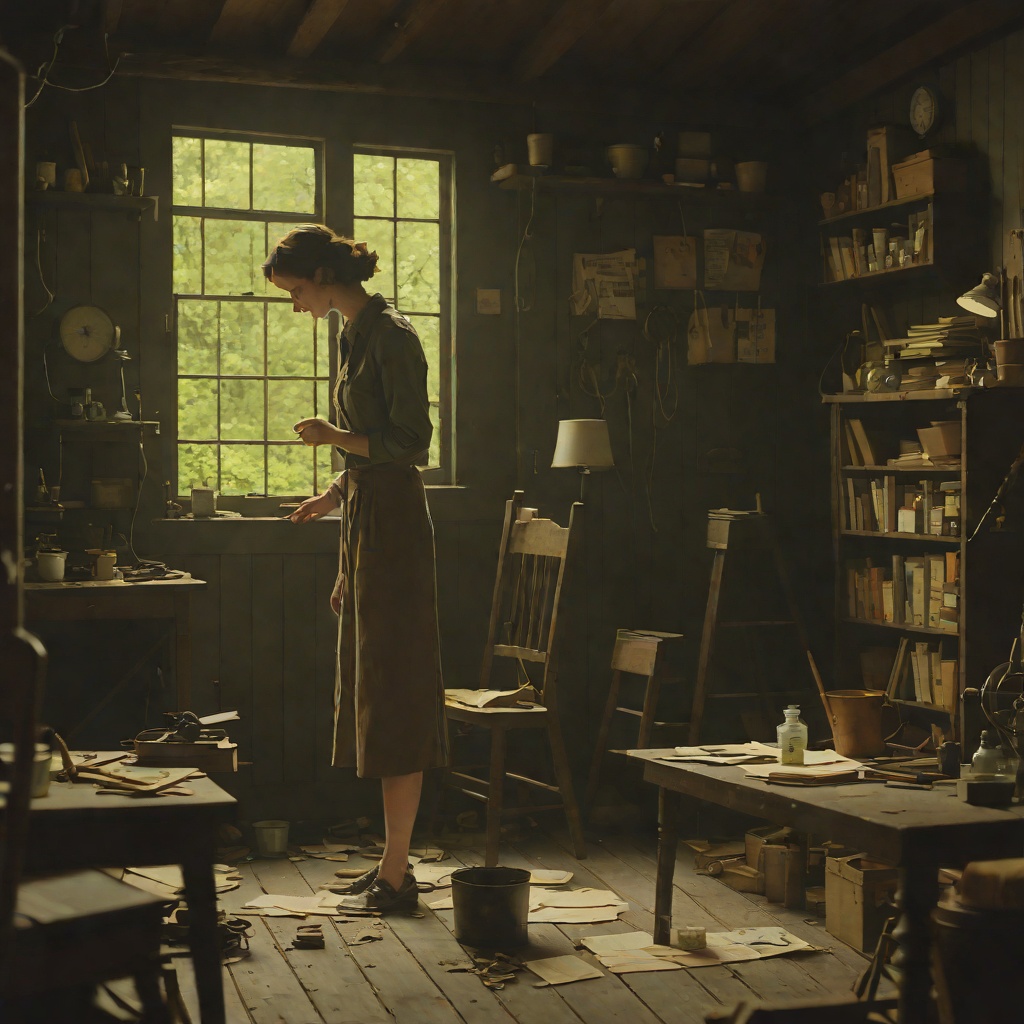
The confession is the culmination of a lifetime of silence. For years, Harold and Maureen had been in a place where language had no significance; she only had to look at him and she was wrenched to the past. Small words were exchanged and they were safe. They hovered over the surface of what could never be said, because that was unfathomable and would never be bridged. Maureen's confession to the garage girl breaks this pattern. It is the first time she has spoken the truth about Queenie's message, and in speaking it she begins to release the grief that has defined her. The confession also reframes the entire pilgrimage: Harold walked to save Queenie, believing she had written to him out of the blue, but the letter that changed everything arrived because Queenie had tried to reach him twenty years earlier — and Maureen had stopped her. The confession reveals that Harold's walk was not only an act of faith but also an unknowing response to a message that had been suppressed for two decades. It is the novel's great unspoken truth, and once spoken, it makes possible the reconciliation that follows at Berwick-upon-Tweed, where Maureen finally tells Harold, 'I love you, Harold Fry. That is what you did.'